How Clockenflap founder was inspired by a blind traveller
Jay Hoffmann-Forster says the tenacity of James Holman – an Englishman who did not let his blindness stand in the way of his travels – renewed his appetite for risk taking and helped him launch what is now Hong Kong’s biggest music festival

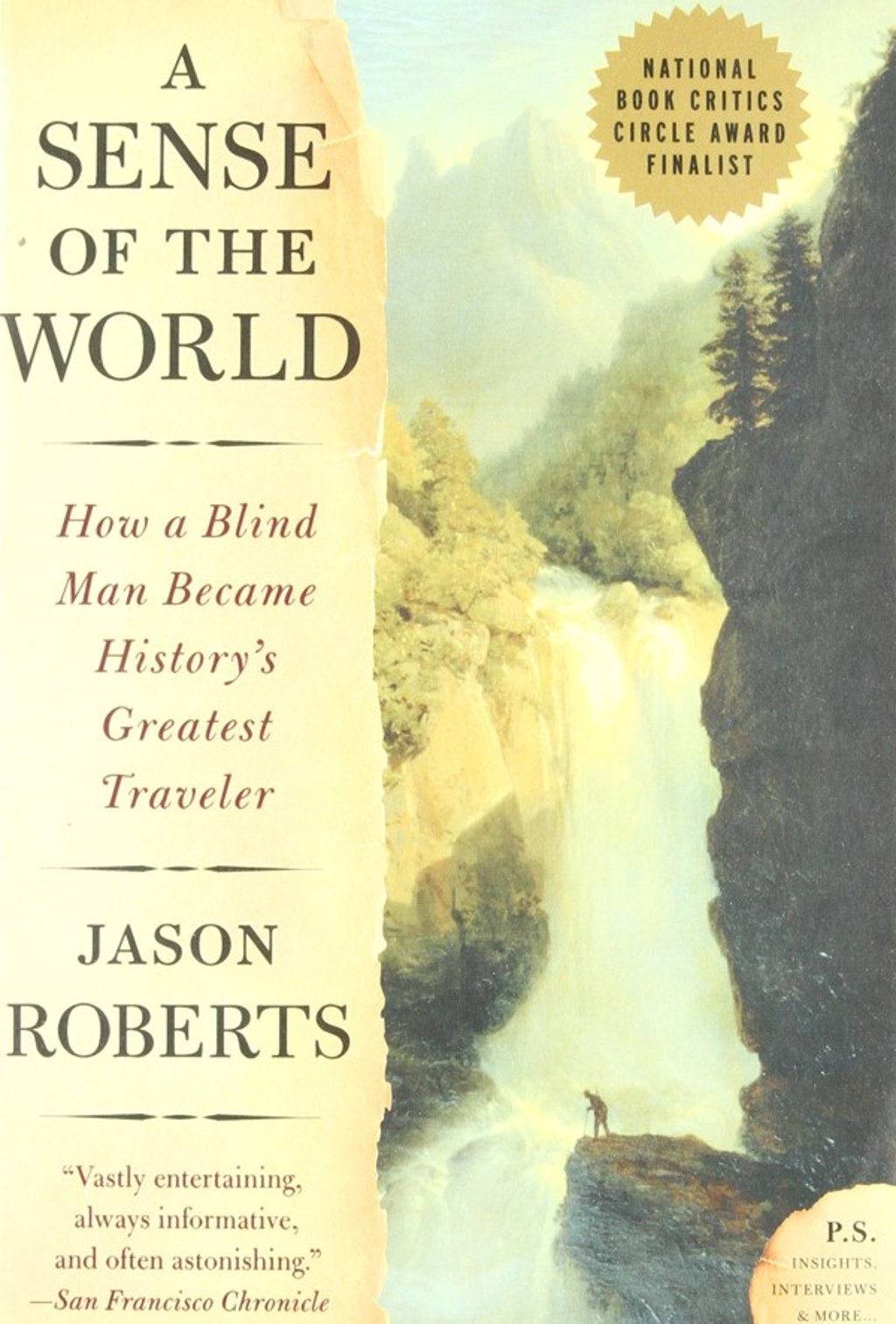
A Sense of the World: How a Blind Man Became History’s Greatest Traveler (2006), by Jason Roberts, is a biography of Englishman James Holman (1786-1857), whose career as a solo traveller, writer and social observer was prolific despite the fact that he had been left blind by an illness in his 20s.
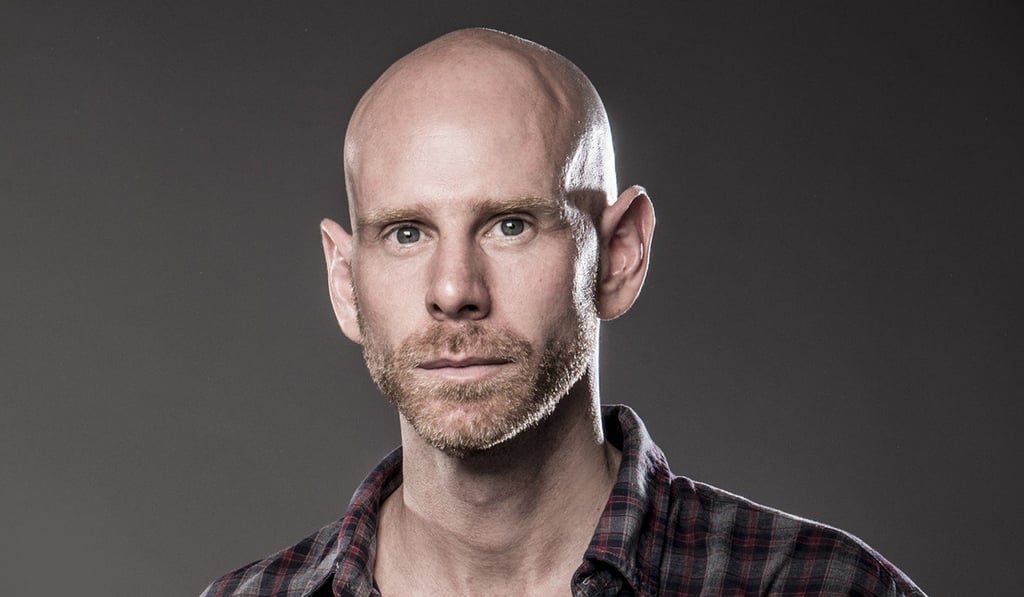
Jay Hoffman-Forster, artistic director of Magnetic Asia, the company behind Clockenflap, Hong Kong’s biggest music festival, and the local edition of the Sónar electronic music celebration, explains how the book changed his life.
It’s an incredible book about this dude named James Holman who went completely blind when he was 25 years old. He managed to secure himself a position as a Naval Knight, which was kind of an unofficial position that didn’t really require any work, but it gave him free accommodation at Windsor Castle, on the outskirts of London, so he could just have taken it easy.
Holman discovered that the act of travelling into the unknown offered respite from the agony. This was remarkable and inspiring due to his complete loss of vision, and because people didn’t really travel in those days. It deeply touched me; the notion of stepping into the chaos and confronting the unknown as a means to challenge his suffering was quite heroic.