Chinese photographer captures ‘horror and beauty’ of modern China: from consumer culture to ancient waterways
Li Zhengde’s unvarnished, sometimes caustic images reveal the wonders and occasional horrors of a nation in flux

Li Zhengde lives on the edge of Mount Wutong National Park, in Shenzhen. His one-bedroom flat is on the fourth floor of a forlorn, reform-era tenement building, beside some shabby farmhouses that date back a century or more. The interior is decorated with Li’s own photography and brimming with enough books for a small library. It smells of Hunan chilli peppers.
Outside, tropical storm Ewiniar is menacing the mountainside, rousing a nearby river to burst its banks while shrouding Shenzhen’s highest peak in continually shifting mists.
“Look how clear the water is,” says Li, pointing out of the window at streams snaking down the slopes. “Mountain fresh!”
Removing a beer from the fridge and lighting a Hongtashan cigarette, Li settles into an easy chair to discuss his epic photographic project, “From the Zi River to the Yangtze”, for which he began shooting images in 2009.
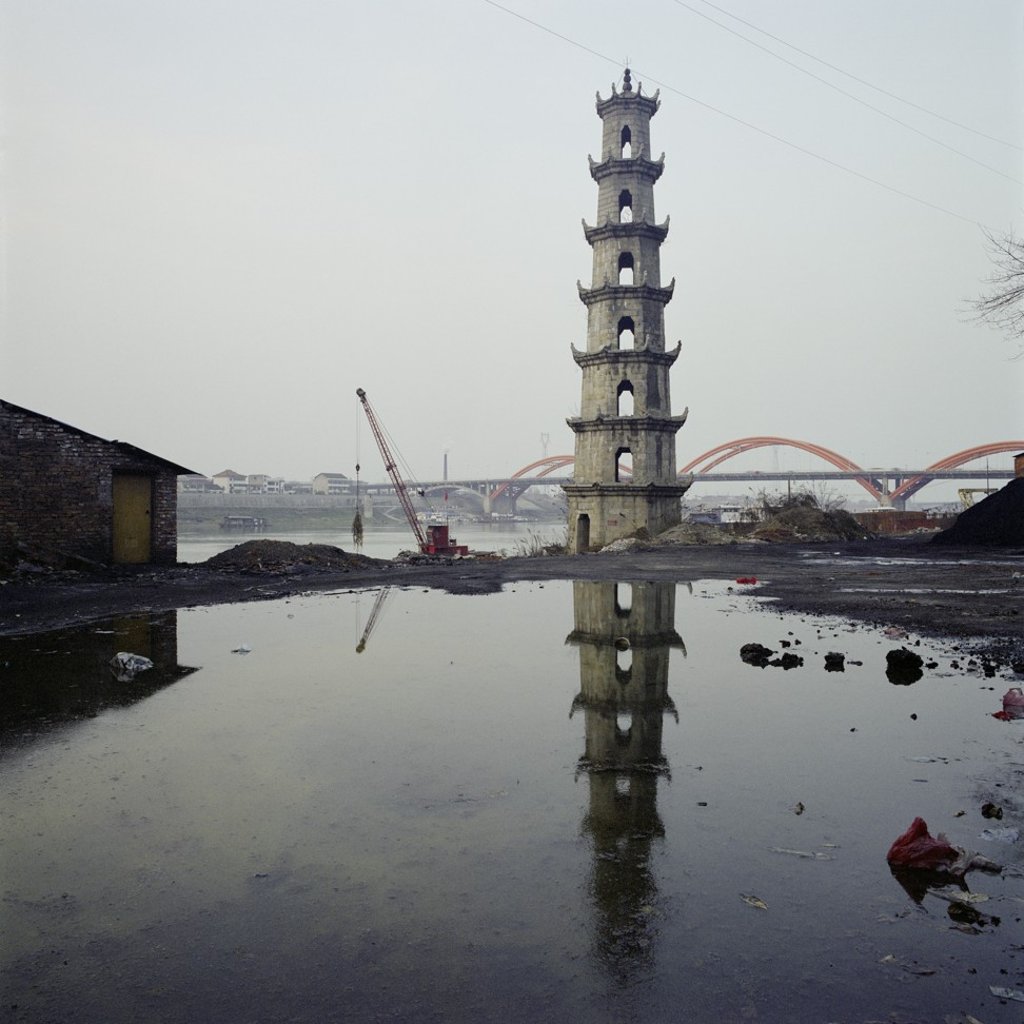
“In Anhui, I was hiking all day, every day, so I drank less beer,” Li says. “The place is incredible, not overly commercialised like other historic parts of China. There’s a sense of reality.”
Despite his penchant for alcohol and tobacco, Li , who’s in his early 40s, doesn’t look his age. Born in 1976, in Hunan’s Anhua county, he was the youngest of three boys and quickly found he had a problem with authority.