How Luis Buñuel inspired a Hong Kong-based artist and musician
My Last Sigh, Luis Buñuel’s chatty autobiography, taught Shane Aspegren, then a small-town boy from Nebraska, to embrace contradiction – and how to make a martini

Luis Buñuel’s surprisingly chatty autobiography, My Last Sigh (1982), written with regular collaborator Jean-Claude Carrière, is both the influential Spanish surrealist filmmaker’s life story and a statement of his artistic philosophy. Contemporary artist and musician Shane Aspegren describes how it changed his life.
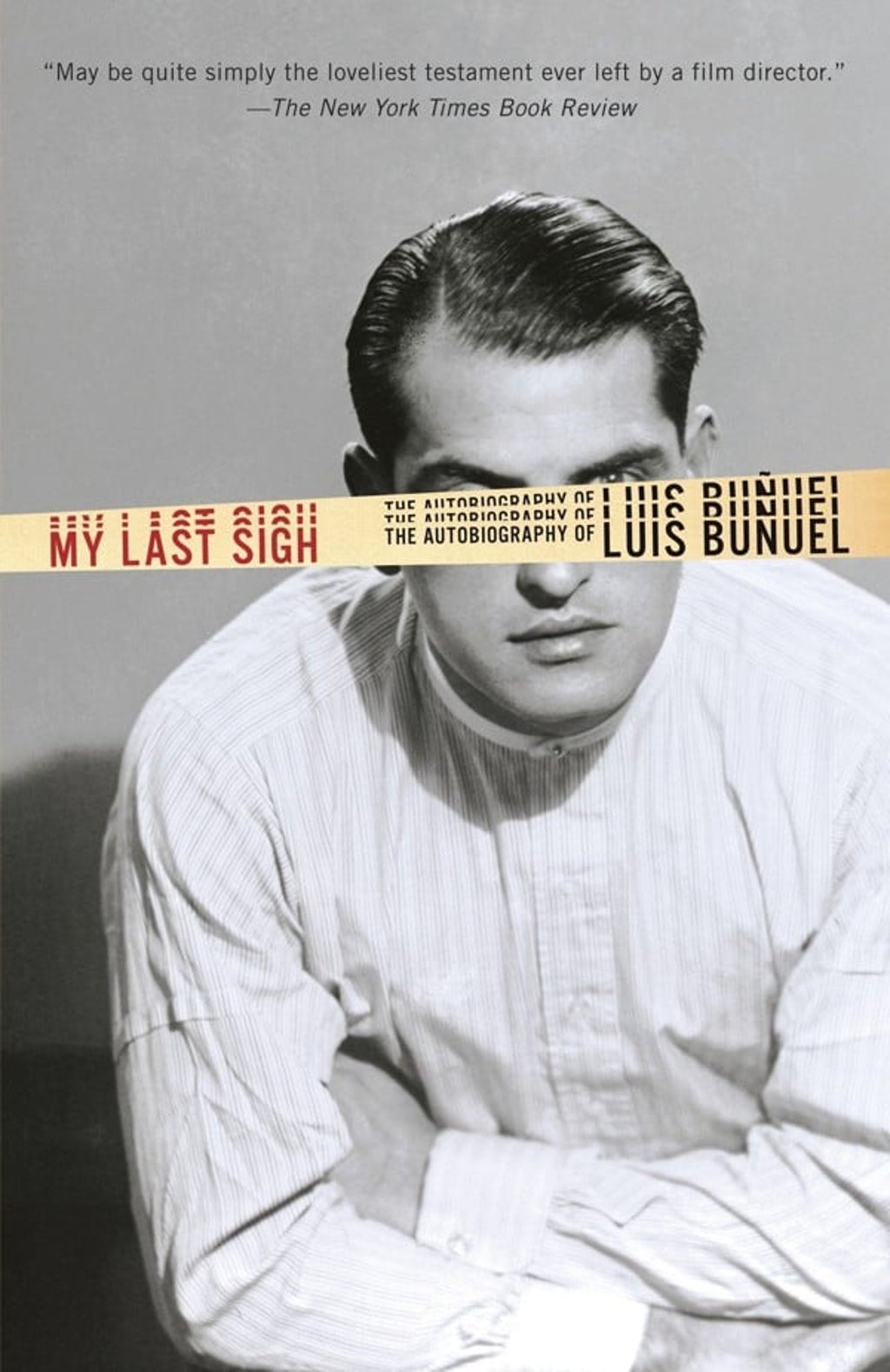
I first read it in 1997. I know this because I picked up my copy of the book again recently and there’s an inscription in it from a friend who worked in the bookstore I ordered it from. You couldn’t get the book in Lincoln, Nebraska (where Aspegren grew up), and this friend gave it to me as a gift because she shared my fondness for Buñuel’s work.
The first Buñuel film I saw was probably Simon of the Desert (the 1965 story of a 5th-century ascetic who lived on top of a pillar in the desert) in film class. I got there late, halfway through, and I remember just being fascinated by it. After that, I often went to the one local video store that had obscure films in search of similar movies.
As an artist, I took one main thing from My Last Sigh as an inspiration, or maybe as a justification: the fact that he embraced contradiction instead of worrying about it. Something else that attracted me to Buñuel was that I could see he was pushing back against many elements of the eras in which his films were made (Buñuel’s surrealistic, often confrontational work frequently scandalised the artistic establishment).
There’s something romantic about that idea. Reading about the process of creation gives it new life and mythologises it.