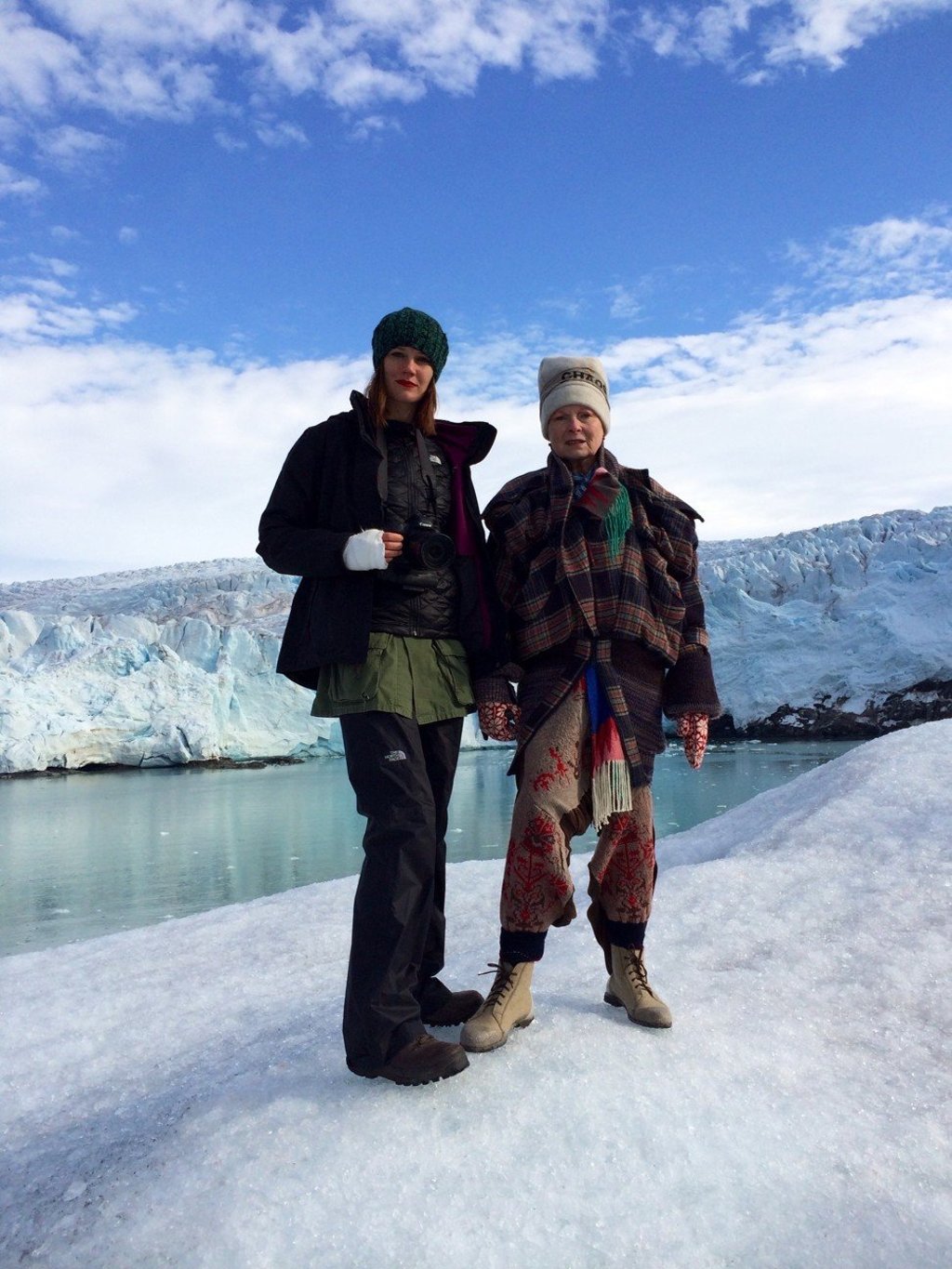
Vivienne Westwood documentary fails to ask the big questions, or win punk designer’s approval
The uncritical film was branded ‘mediocre’ by the famously confrontational British designer

Fashion designer Vivienne Westwood is one of Britain’s great eccentrics, but her public image often masks the fact she’s not only a creative talent, but a smart businesswoman, too.
Westwood: Punk, Icon, Activist talks to the dame herself, and features behind-the-scenes footage of Westwood at fashion shows and in business meetings, many of which turn confrontational. To fill in the gaps, there is a lot of well-worn previously available footage of Westwood’s colourful past – and colourful cohorts – which is contextualised enough to make it worthwhile.
Lorna Tucker’s documentary is uncritical, rarely contesting the designer’s own version of history. Even so, the self-confessed enfant terrible does not make it easy for the filmmaker, refusing on-camera to talk about certain elements of her past – for instance, her involvement with punk group the Sex Pistols – on the grounds that it’s too boring to revisit well-documented events.
After the film was finished, Westwood issued a statement saying she thought it was mediocre – “and Vivienne and Andreas [Kronthaler, her husband] are not”. The designer went on to lament that it did not feature more of her political activism. Such comments are not unexpected from the fiercely independent Westwood, who – as the film makes clear – is not afraid to say what she thinks, even if business (or box office) suffers as a result.
Tucker’s film follows a straightforward path of documenting Westwood’s working-class roots, her personal and professional involvement with the Sex Pistol’s manager Malcolm McLaren – they co-ran the punk clothing shops SEX and Seditionaries in London’s King’s Road and had a son together – and her move into fashion as an escape from the drudgeries of working-class life.