Then & NowWhen Asian men in Hollywood films weren’t scrawny, geeky or desexualised
Long before Crazy Rich Asians there was sex symbol Sessue Hayakawa, a Japanese actor in the silent movie era who had hordes of women — mainly white – swooning over him

One theme that recurs in publicity surrounding the recent hit film Crazy Rich Asians is how certain kinds of “Asians” – invariably the hyphenated American kind, with complex personal identity issues to work through – have reacted to portrayals of other “Asians” in the movie.
Despite earnest critical deconstructions of leading characters, and anguished hand-wringing about the authenticity of various actors and personalities the film depicts, ultimately, it is just another affluence-porn-themed romantic comedy.
Central to numerous commentaries has been how, at long last, sexy, self-confident “Asian” men have leading roles in a mainstream Hollywood production. What these sentiments reveal is just how much validation certain types of hyphenated “Asians” require from the same people they publicly feel they don’t need to justify themselves to.
A century ago, one of Hollywood’s hottest leading men, enormously popular with audiences composed mostly of white women who swooned over his athletic physique and darkly smouldering, “exotic” good looks, was a versatile Japanese actor named Sessue Hayakawa. He was regularly greeted by hysterical mobs similar to those encountered by Rudolph Valentino, a sex symbol of the 1920s.
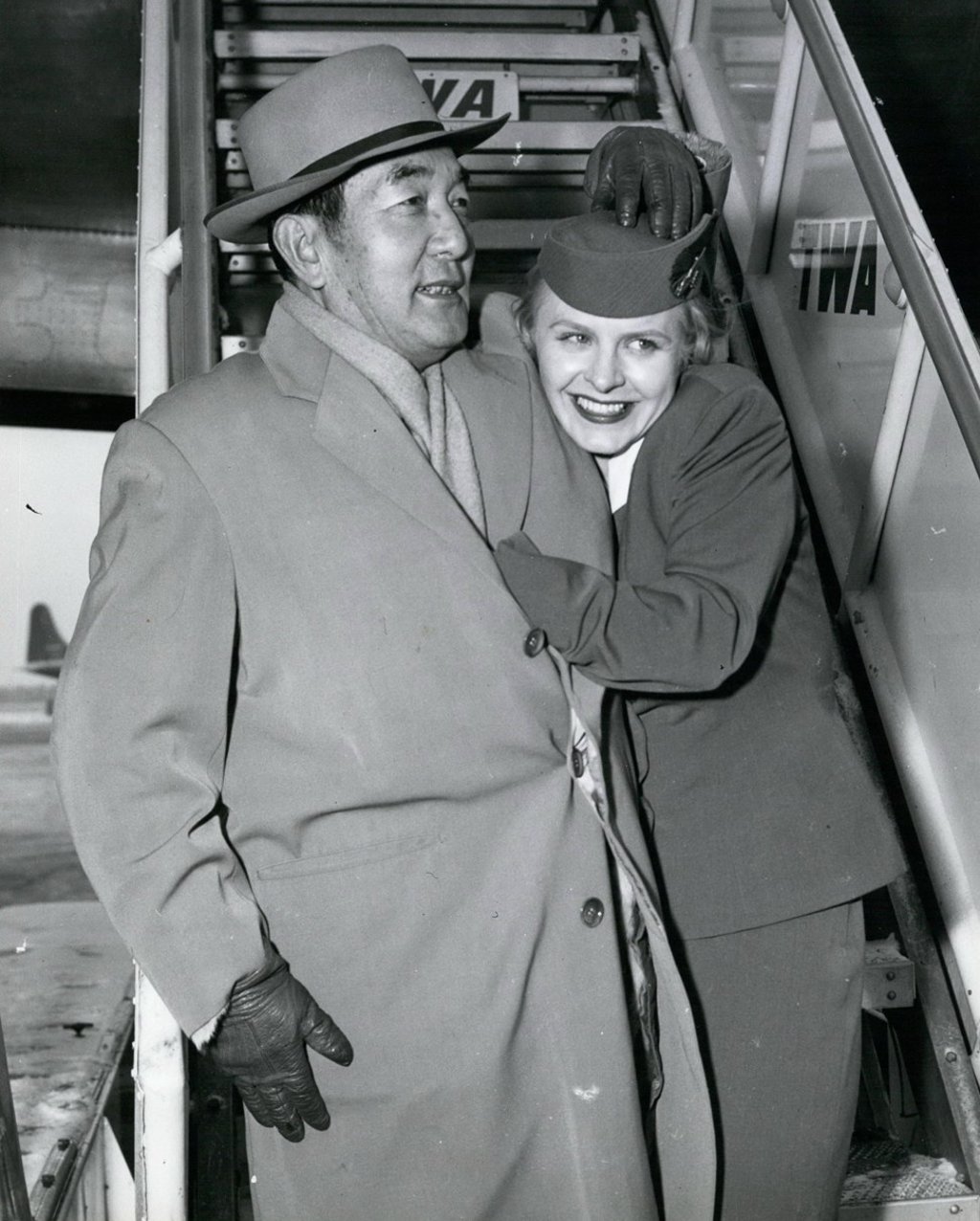
Hordes of near-orgasmic female fans shrieked, fainted, ripped their clothes and sometimes threw their underwear at him. In one 1920 film, The Beggar Prince, Hayakawa’s character was known as “The Prince of the Island of Desire” – as explicit a representation of potent Asian male sexuality as could be imagined.