‘World being pushed out of control’ the central theme at Lianzhou photo festival
- Contemporary concerns front and centre at China’s most respected photo festival
- Cultural event not exempt from the arbitrary hand of the mainland censor

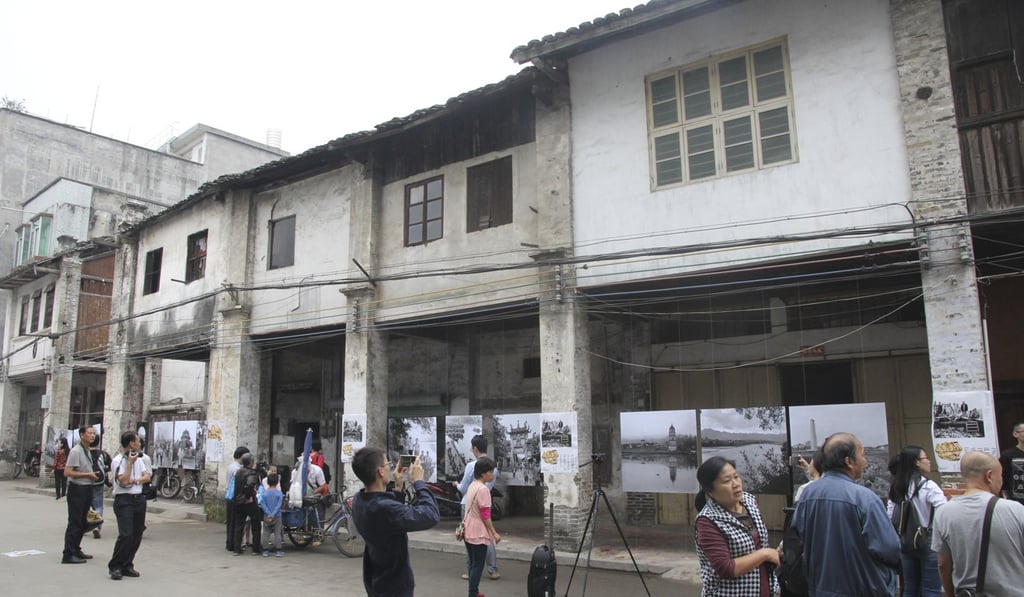
It has become something of a cultural pilgrimage for those concerned with contemporary Chinese photography. With the first breath of winter loosening the remaining autumn leaves, a familiar band of journalists, critics, artists and art lovers migrate to subtropical Guangdong province for the annual Lianzhou International Photography Festival.
Although the G107 national highway now links Lianzhou to the Pearl River Delta, this ancient mountain pass town remains a hard-to-get-to place; it has no airport or railway station, committing visitors to an arduous four-hour coach ride from Guangzhou to the camel hump karst hills that straddle the Guangdong-Hunan border. One is always rewarded for the effort, however, as old allies reunite at banquets thrown by outdoor restaurants overlooking the jade-coloured Lian River, paving the way for the festival to come.
Wu appears rather dazed by his success, and indeed notoriety, given that the work critiques several aspects of Chinese society, not least the wastefulness of its industrial machine and the complacency with which citizens treat once-sought-after commodities.
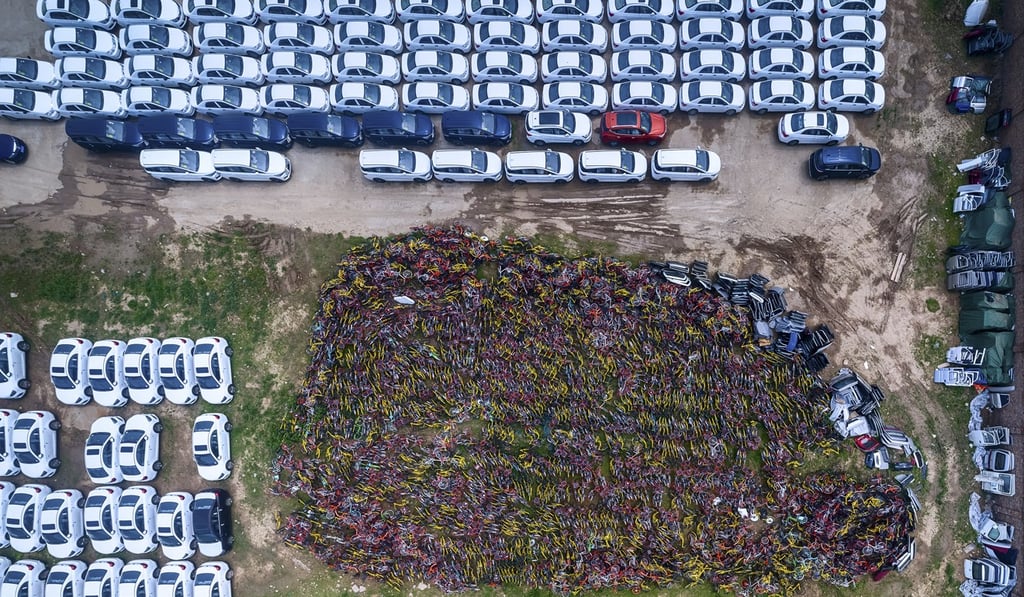
“The bicycle graveyards have stunned me, invoking restlessness, anger and awe,” he says, reflecting on a year in which he rose from obscurity in Shenzhen to an exhibiting artist with his own photo book. “The bikes make such a dazzling physical landscape when viewed from afar and people have been stunned to see them but I think ‘No Place to Place’ has said a lot about our world today.”