The CollectorMeet the young, French collector trying to save Chinese contemporary art
Georgia-based John Dodelande says he collects Chinese contemporary art because it is ‘no bulls**t’, unlike its Western counterpart

The publicity blurb for the “Enlightening Times” exhibition, at Duddell’s art gallery, in Central, describes collector John Dodelande as a “defender” of Chinese contemporary art. It is an odd statement, in more ways than one. The rise of the Chinese art market in the past 20 years has been phenomenal, so why does it need defending? And by a 30-year-old French entrepreneur who has never lived in China?
We met Dodelande during last month’s Art Basel Hong Kong. The collector, who comes from a well-to-do Parisian family, is a flamboyant socialite who, aged 17, founded a fashion brand and embarked on the life of a serial entrepreneur. He has designed luxury yachts, defined the contemporary European dandy (though, sadly, he doesn’t dress in bright pink suits any longer) and moved to Tbilisi, Georgia, which lies at the border of western Asia and Eastern Europe, where a sizeable French expatriate community appears to have settled.
Dodelande began to invest in Georgia in 2012, after he was invited by a childhood friend who had settled there, he says. It was easy to obtain bank loans for infrastructure projects, so he moved into real estate. Among other projects, he is building a hotel for the fast-expanding Tbilisi International Airport. He says he is part of a new generation of “Silk Road” entrepreneurs – who are taking advantage of the promise of a former Soviet state that is pro-Europe, pro-Nato and a functional democracy.
For the Duddell’s exhibition, curator Jérôme Sans has chosen abstract compositions by Li Shurui (born in Chongqing in 1981) and Wang Guangle (born in Fujian in 1976) from Dodelande’s collection. In 2017, Dodelande put on a much larger exhibition of Chinese contemporary art at the National Gallery of Georgia, in Tbilisi.
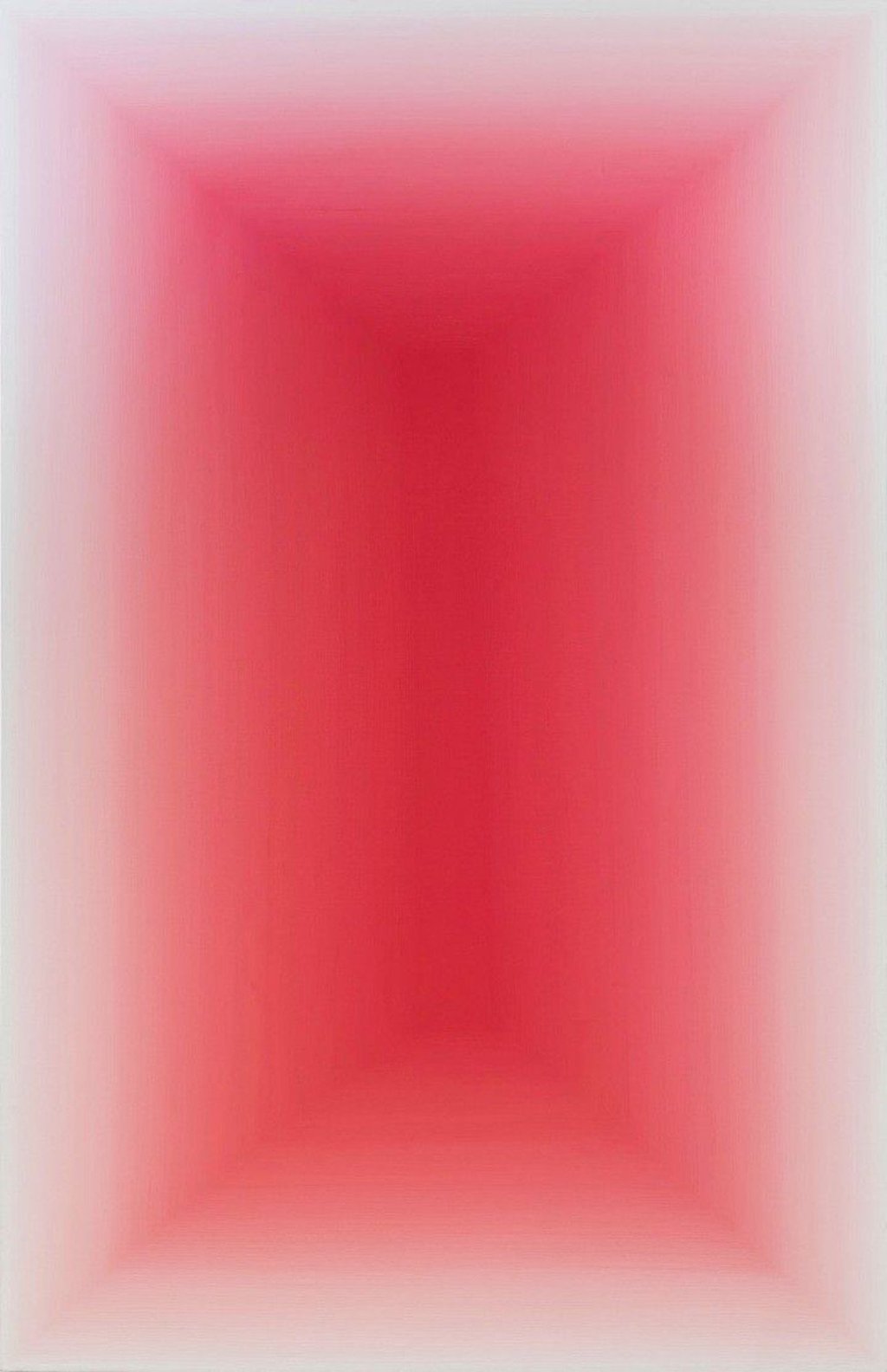
He collects Chinese art, he says, because some of the younger artists “speak to him”. Dodelande suggests that art from China today symbolises an epochal tilt, economically and culturally, to the East. He also believes Chinese contemporary art is underappreciated and undervalued compared with that from Europe and the United States.
Dodelande prefers artists who didn’t grow up in the shadow of Mao Zedong and are globally minded. The works of Liu Wei (who was born in Beijing in 1972) appeal to him because they are architectural and suggestive of work in progress.