The ProjectorChina’s Fifth Generation filmmakers are officially in favour, decades after their debuts
- Li Shaohong’s 1990 film Bloody Morning is the latest movie from the group of auteurs to have been restored
- Recent screenings reflect an official willingness to rehabilitate controversial classics

In a section dedicated to restored classics at this year’s Shanghai International Film Festival, the state-run China Film Archive screened Li Shaohong’s 1990 film Blood Morning, a loose adaptation of Gabriel Garcia Marquez’s 1981 novella Chronicle of a Death Foretold.
Set in a remote, impoverished village, the story revolves around the murder of a schoolteacher who had been wrongly accused of having “stolen” the virginity of a village girl.
A non-linear reconstruction of a killing motivated by misplaced fury, the film remains every bit the chilling, hard-hitting social critique that consolidated Li’s standing among China’s “Fifth Generation” directors.
“The story, images and sentiments of Bloody Morning still boast a power that moves viewers today,” says Zuo Heng, deputy director of the China Film Archive’s cinematic culture research department. Its poignancy is the reason the archive restored the film – a process that was completed just in time for the screenings, last Monday and yesterday, at the Shanghai Film Museum.
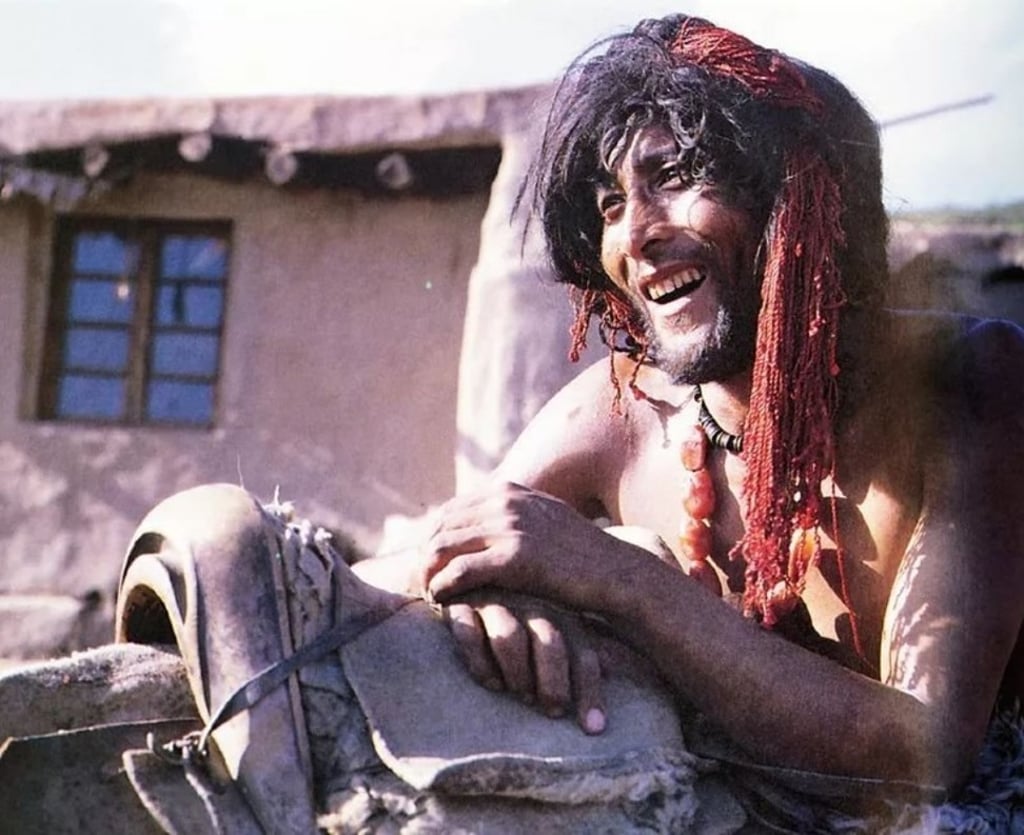
Bloody Morning is the archive’s latest screening of restored works by the Fifth Generation auteurs. Zuo was at the Cannes Film Festival last month to present a restored version of The Horse Thief, Tian Zhuangzhuang’s 1986 film about mortal struggles and spiritual redemption in Tibet in the 1920s.
The film was met with widespread approval at Cannes, where it premiered with endorsements from Martin Scorsese (“My choice for the Number 1 film in the 90s,” he wrote) and appearances by the director and the cinematographer, Hou Yong. The screening also received extensive media coverage in China.