How 2Pac’s 1996 album All Eyez on Me shaped the life of a designer in the Sydney suburbs
- Australian designer and stylist Juan-Carlos Aquino shares how he identified with the rapper and hip-hop culture
- ‘Even the title was relevant to the lives of me and my friends. We felt like we were being targeted, like everyone’s looking at us’

All Eyez on Me (1996), the fourth album from hip-hop legend Tupac Shakur and the last released before his death that year, aged 25, was a double-disc epic that reflected the full range of the rapper’s often contradictory personality. On it, 2Pac, as he was popularly known, embraces the gangster lifestyle while also showing flashes of his trademark social conscience and introspection. Australian designer and stylist Juan-Carlos Aquino, founder of Hong Kong-based, streetwear-influenced minimalist menswear label Carlo Carlo, explains how the album changed his life.
I was already a big fan of hip hop growing up, but I remember clearly when All Eyez on Me came out. I was about 13 or 14 and this was one of the first hip-hop double albums. It blew my mind.
When I was growing up in Australia, in the suburbs of Sydney in the 1990s, the environment was predominantly white. I was one of maybe 20 Asian kids at my high school. I loved where I grew up, but when I was 13 or 14 there weren’t many people of colour to look up to, so the people we identified with were minorities from elsewhere.
People such as 2Pac talked about the police looking down on them and I could identify with that. I dealt with a lot of racism growing up: we were often stopped by the police for just sitting around, but they wouldn’t bother any other kids. So hip-hop culture started shaping us.
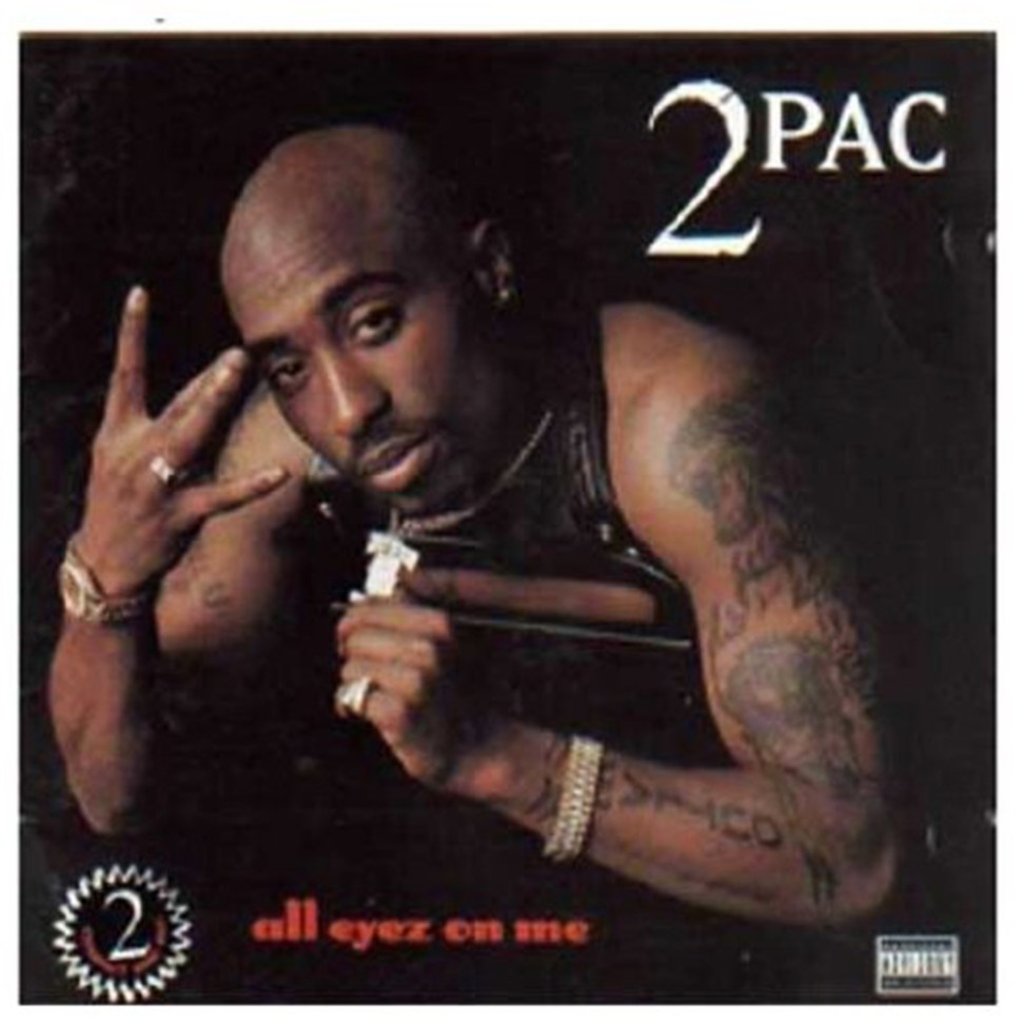
Even the title, All Eyez on Me, was relevant to the lives of my friends and me. We felt like we were being targeted, like everyone’s looking at us. And this dude gets it. All Eyez on Me spoke to me because people were identifying me as being part of gang life. This was Sydney: there’s no Bloods or Crips, but if you tell somebody that’s what they are often enough, that culture starts to speak to them.