The CollectorSan Francisco’s Asian Art Museum shifts focus from antiquities of sometimes dubious origin to contemporary works
- Institution moves beyond colonial-era acquisitions to focus on the classic Asian art of the future
- New pavilion and terrace exhibition spaces attract major donations from Silicon Valley and Asian patrons
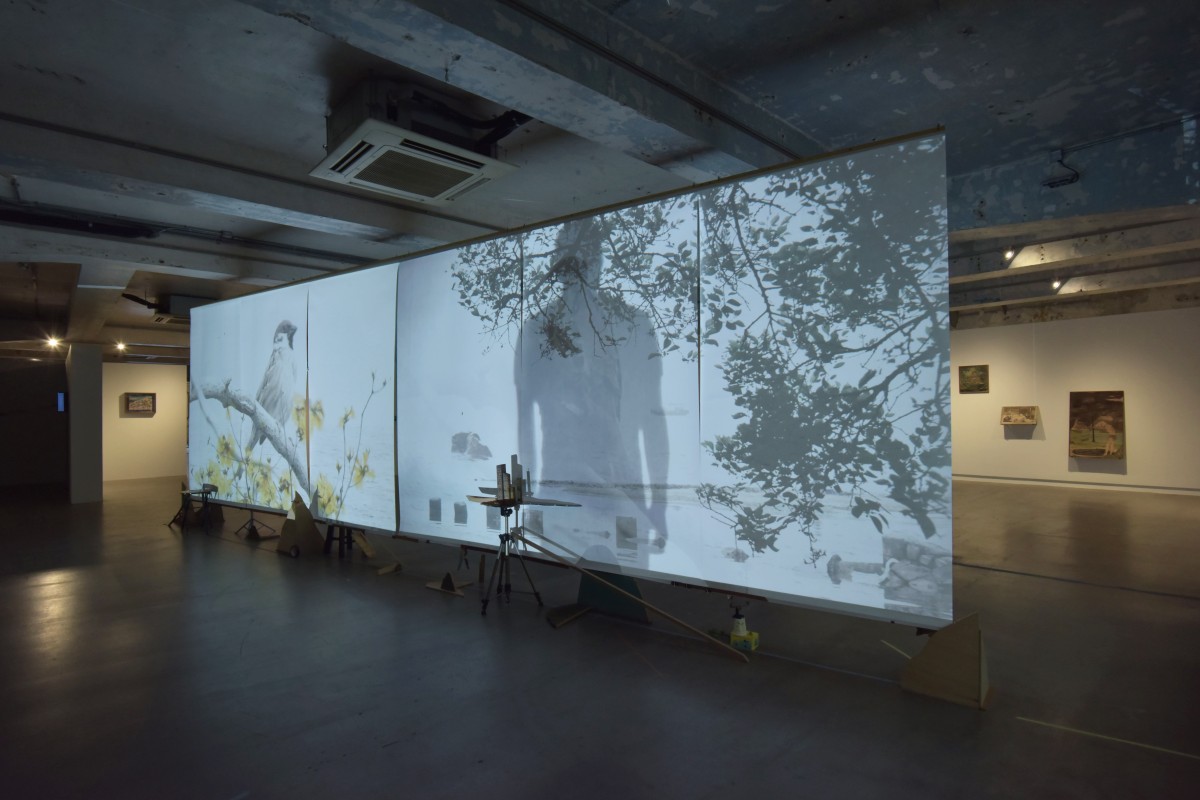
Who doesn’t like to visit the Louvre, the British Museum and the Met in New York, at least when they have not been closed to combat the spread of the coronavirus? But let’s face it, a lot of Western museums are salt in the wounds of nations and peoples who suffered long spells of oppression under European and United States political and economic domination.
The Collector is ambivalent about the whiff of toxic nationalism that often accompanies claims for restitution. Nonetheless, it is clear Western museums need to address the sometimes ignoble chapters of their origin stories, and show they are guarding the artefacts for everyone and not just for the host country.
The Asian Art Museum (AAM) in San Francisco, which is also temporarily closed, is stuffed full of enough stone statues, temple fittings and old paintings to raise the hackles of the restitution camp. Among the items donated by late Chicago industrialist Avery Brundage to the museum’s foundation collection in 1966 is the oldest dated Chinese Buddha statue, a “textbook” item from AD338 that is much studied by cultural historians.
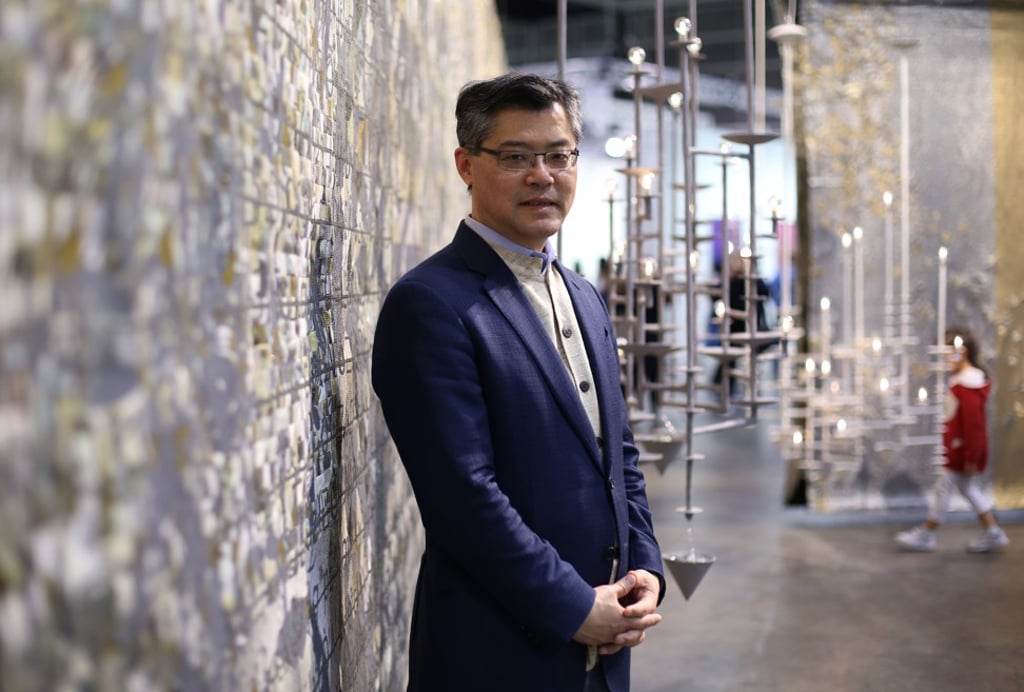
Housed in the West’s favourite cloak of cultural authority – a grand, neoclassical building – the museum has long been regarded as the quintessential archive of Eastern faded glories. Then about 10 years ago, the AAM board and Jay Xu, its director since 2008, decided it was time for a change. Speaking to the collector ahead of the unveiling of the new AAM, Xu explains the transformation.