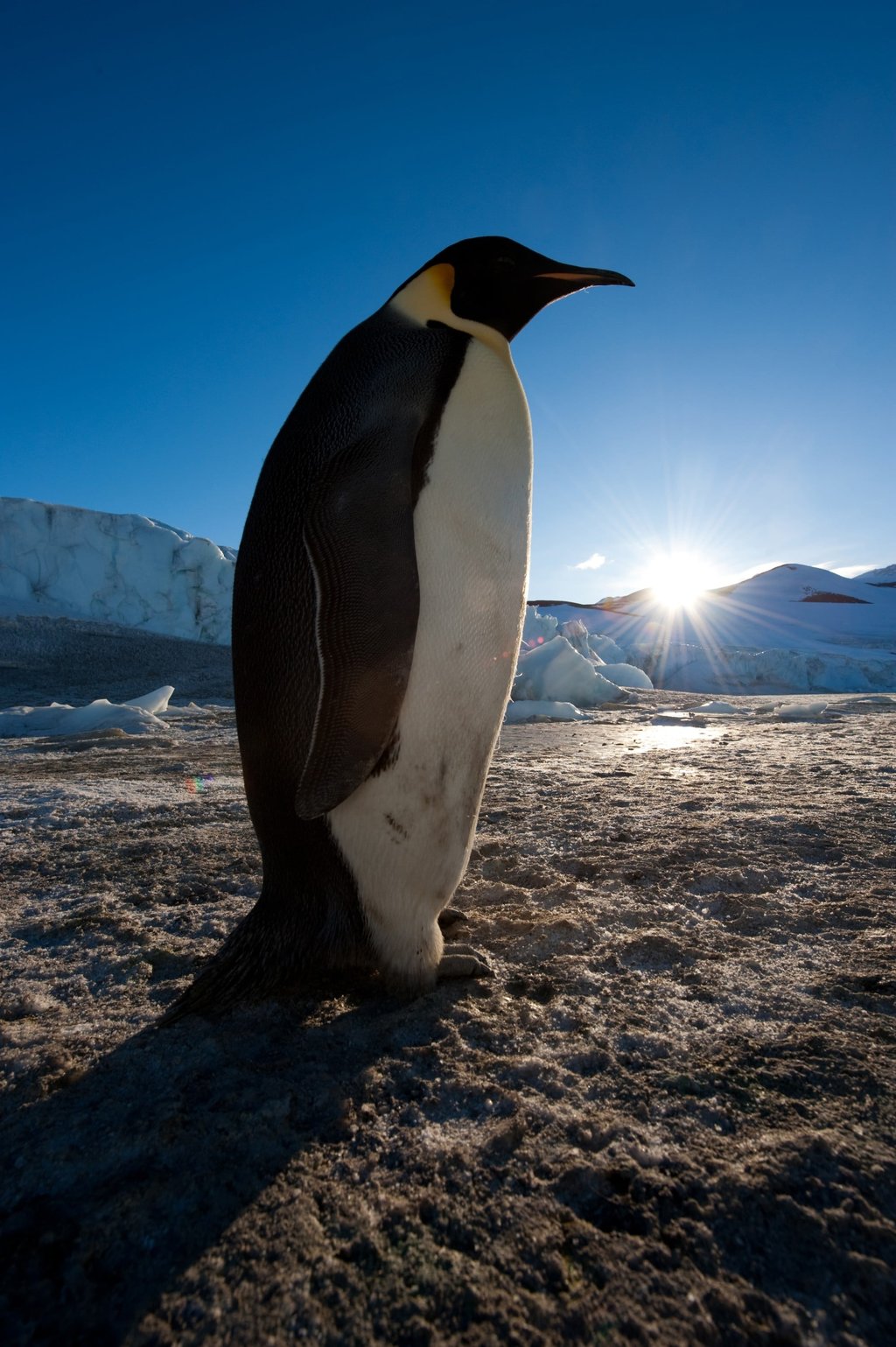
What a viewFrozen Planet II offers breathtaking view of a frigid world humankind is doing its best to destroy
- Perhaps it’s David Attenborough’s mournful narration, but stunning BBC nature series feels like a valedictory for the animals humans are driving to extinction
- Netflix K-drama Narco-Saints takes viewers to South America, where a Korean fish exporter gets sucked into the drug trade with predictable consequences

If nothing else, looking back after the eco-apocalypse, BBC Earth’s cinematically breathtaking Frozen Planet II will prove an eloquent valediction for much of what we have destroyed (provided we still have the necessary old-tech hardware on which to watch it).
Perhaps it’s David Attenborough’s sometimes mournful narration that occasionally gives the impression of doom – and who can argue with that, as we approach extinction’s event horizon for so many species?
The six-part series ends on October 23 with insights from those people in the planet’s frigid regions who know: the naturalists who breathe the same air as the animals they study and who are best placed to predict the future for them (and us).
And – surprise – even in the face of rising mercury some remain optimistic, still convinced that at this late hour, if enough people know what’s going on in their name and demand change, then even the most ignorant politician will respond.