Review | Saving Venice on BBC Earth examines the Italian city’s plans to fend off the threat from rising sea levels using barrier gates, and a natural alternative
- Venice, built on islands in a marshy lagoon, has always struggled against flooding, and BBC Earth’s Saving Venice looks for answers to the worsening problem
- Meanwhile, the best-looking and most talented doctors in South Korea return in Dr Romantic’s third season on Disney+, this time helping North Korean refugees

The Venetians have resorted to the barrier method to minimise the potentially lethal effects of penetration and impregnation – by high tides and architecturally ruinous, corrosive salt deposits.
Even 600 years ago, as a formidable city state, canal-veined Venice, built on spongy marshland in a saltwater lagoon, was vulnerable. Today, rising sea levels foreshadowing the climate apocalypse mean Venice could be the new Atlantis by century’s end.
Hence the focus of documentary Saving Venice (BBC Earth): the Mose barrier, a metal “no entry” sign 335 metres (1,00 feet) long consisting of four defensive walls of 78 gates that left a €7 billion (US$7.7 billion) hole in the Italian government’s accounts.
The gates are raised when a threatening tide is expected and lowered in calmer conditions to allow ships into the lagoon. But concerns have been floated about the Mose’s ability to withstand what the future might throw at it.
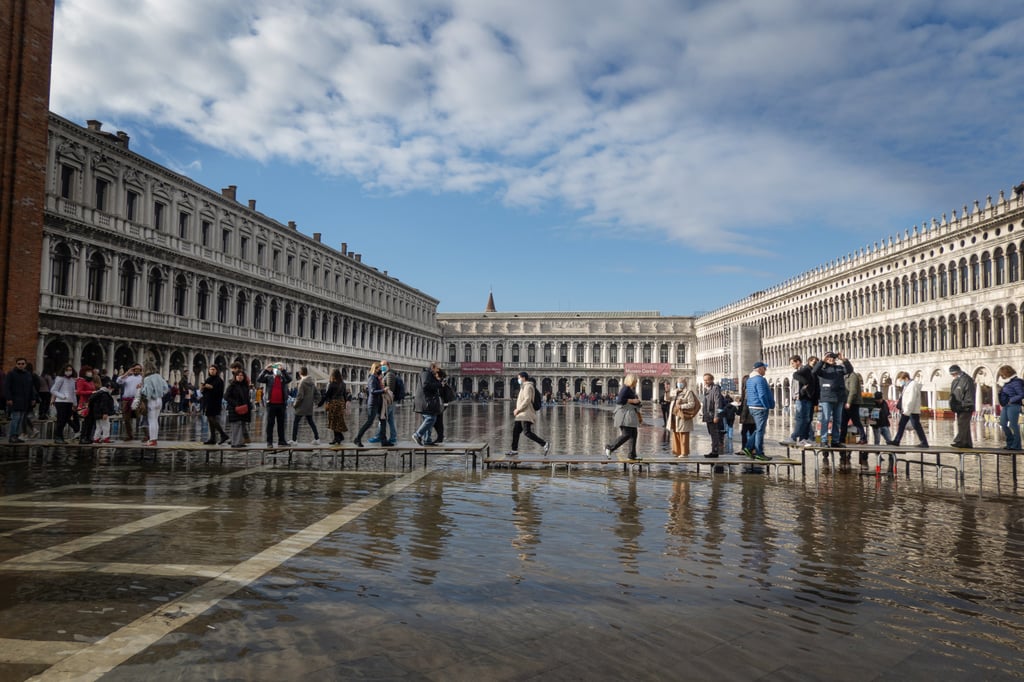
Saving Venice, however, doesn’t address doubts about whether it will be sufficient to repel increasingly frequent storm surges and higher tides. Or discuss environmentalists’ objections to the driving of thousands of concrete piles into the seabed. Or question whether Mose is simply the modern equivalent of the hopeful boy with his finger in the dyke.