ReviewColm Tóibín explores the war at home in his reimagining of the myth of Agamemnon
While never less than intellectually engaging, Tóibín’s 11th novel doesn’t quite hit a nerve, but his splicing of personal and political feels very timely

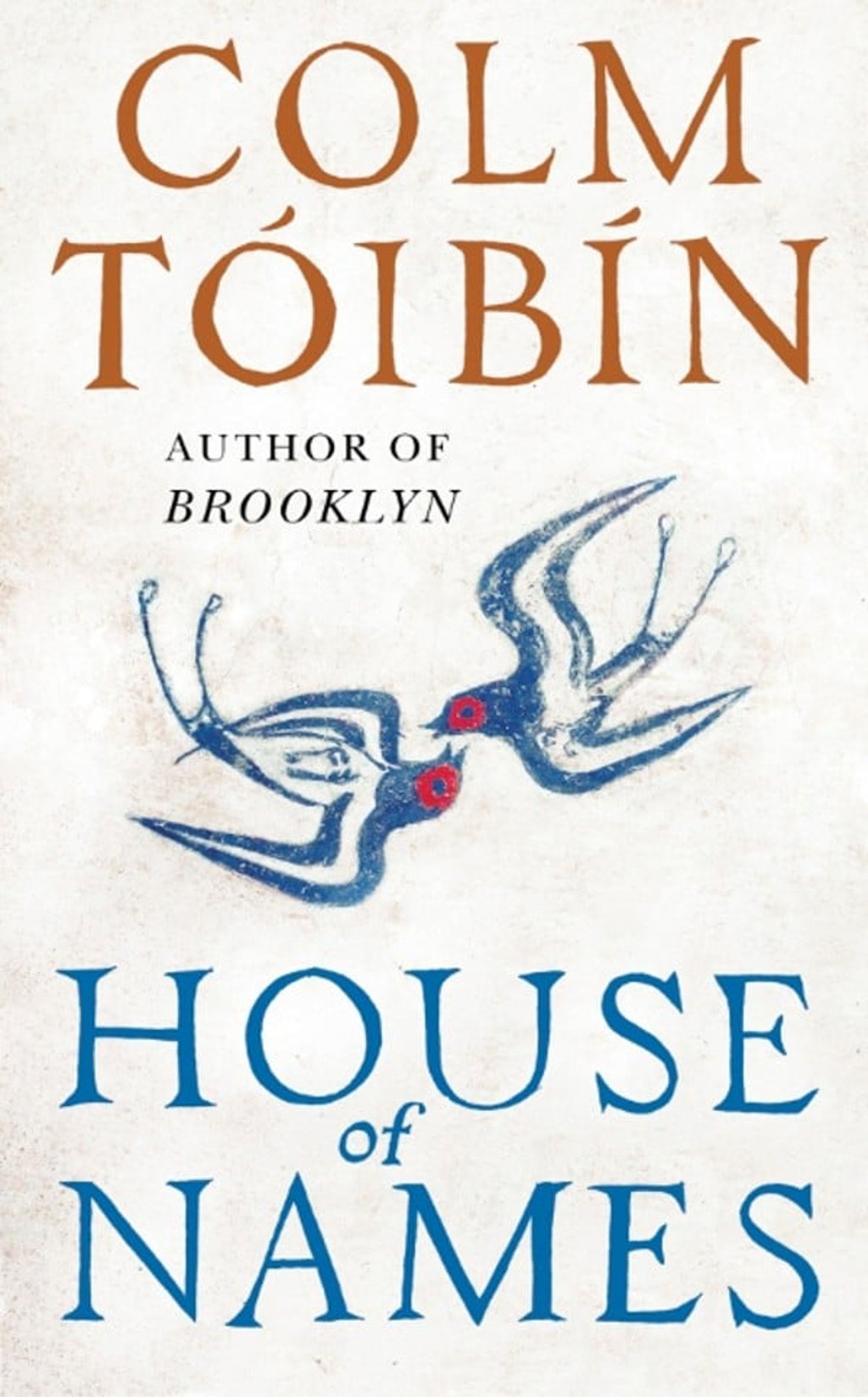
House of Names
by Colm Tóibín
Viking
Colm Tóibín’s 11th novel tells a famous story. Agamemnon, a mighty king and warrior, sacrifices his eldest child, Iphigenia, to please the gods and guarantee fair winds to Troy.
On his victorious return many years later, he infuriates his wife, Clytemnestra, on several fronts: not content with murdering their firstborn, he docks with a younger model, Cassandra, on his arm. Agamemnon hardly dips a toe in a hot bath before Clytemnestra cuts his throat, with a little help from her own new squeeze, Aegisthus. The dictatorial couple inspire a civil war, with Clytemnestra’s children at the centre. Her daughter, Electra, picks up the baton of vengeance; her son, Orestes, is booted into exile by an understandably nervous Aegisthus.
Without spoiling Tóibín’s plot choices, he distils the essential details into a story whose concision blocks out extraneous detail: neither Agamemnon’s kingdom nor Troy are named, for example, and little not devoted to the story at hand (Cassandra’s backstory, for example) makes a mark.
Yet traces of the textual uncertainty float about Tóibín’s narration. This isn’t expressed directly with anything so academic as footnotes, but instead is embedded in the preponderance of secrets, stories within stories, and characters prone variously to lies, fantasy and madness.