ReviewThe Stolen Bicycle: Wu Ming-yi expertly weaves a narrative of Taiwan
Wu’s fifth novel blurs the lines between memoir and fiction, riding a singular obsession deep into cultural history

The Stolen Bicycle
by Wu Ming-yi
Text Publishing
Wu Ming-yi’s profoundly moving fifth novel uses an obsession with antique bicycles to journey deep into Taiwan’s 20th-century history.
The book by the Taiwanese author, literature professor, butterfly scholar, artist and environmental activist is only the second of his acclaimed works to be translated into English, and won rave reviews in Taiwan – and the Taiwan Literary Award – following its Chinese-language release in 2016.
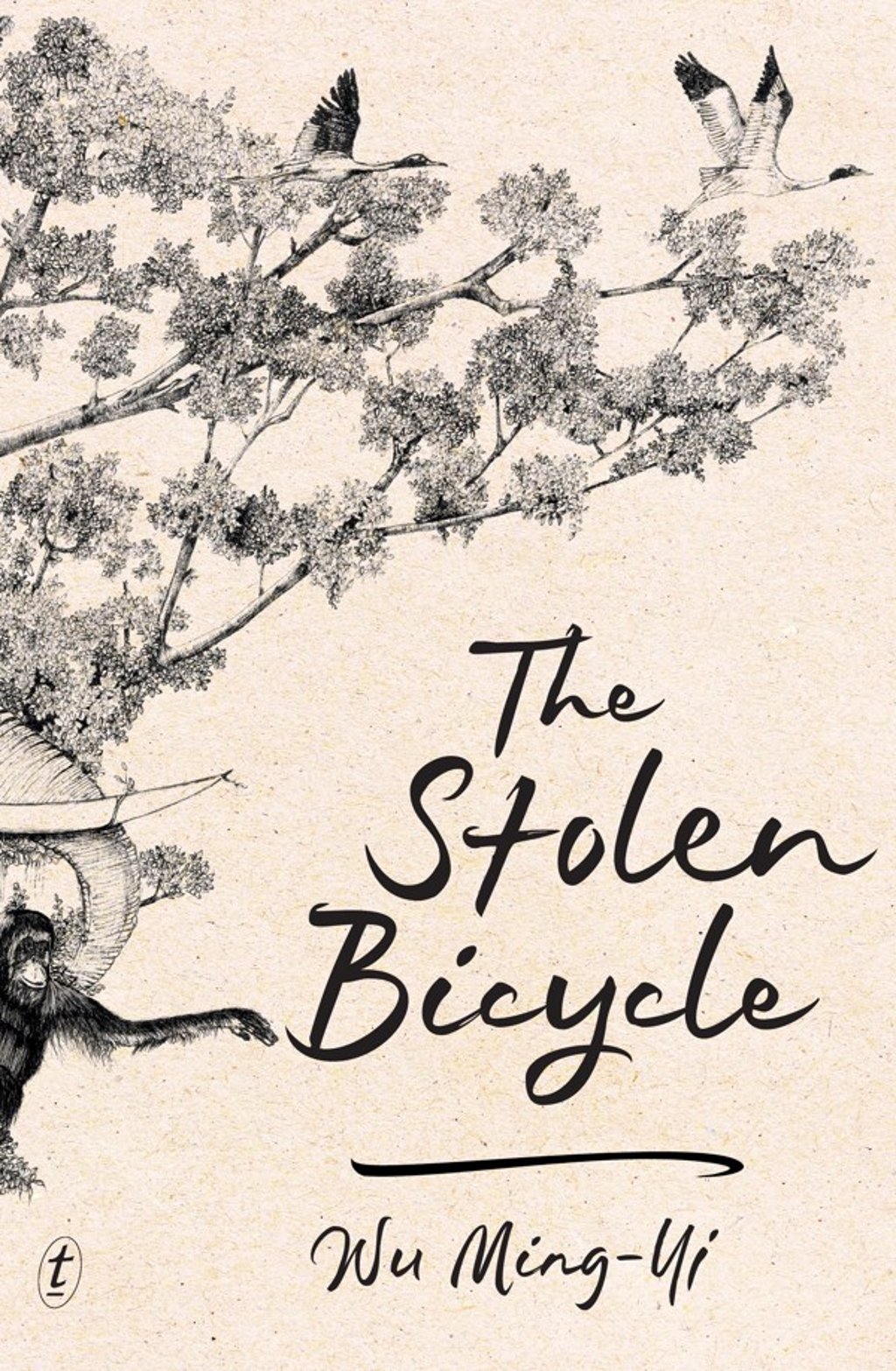
The Stolen Bicycle, which also features Wu’s intricate illustrations, highlights why this 46-year-old author is widely considered the most influential writer of his generation in Taiwan. It’s a novel that confounds conventional expectations of narrative pace and form, even as it burrows deep into the reader’s conscience. It is a vast, unruly coil of disparate narratives wrapped inside the story of a novelist and self-described “bicycle fanatic” named Ch’eng, who declares early in the book that “this story has to start with bicycles. To be more precise it has to start with stolen bicycles.”
This is how Wu starts entwining the threads of Taiwan’s tangled history with that of the bicycle and his family before weaving them into a fictional fabric all of his own. His keen sense of Taiwan’s “linguistic polyphony” is as potent a motif as the history and lore of the iron horse.