ReviewLionel Shriver disappoints with flimsy plot and thinly drawn characters in new novella
American journalist and author had an instant hit with her 2005 novel We Need to Talk about Kevin but her latest work, The Standing Chandelier, is far from a literary gem

The Standing Chandelier
by Lionel Shriver
The Borough Press
Best known for her 2005 bestseller We Need to Talk About Kevin, Lionel Shriver also has a reputation as a no-nonsense commentator. Her 2016 speech on cultural appropriation at the Brisbane Writers Festival was a welcome rejoinder to the fatuous notion that certain aspects of culture belong only to some people, and cannot be used or adapted by others. (Any cultural proscription that would have prevented The Beatles, Abba or Led Zeppelin must be the purest nonsense.)
We Need to Talk About Kevin – which takes a mother’s perspective of raising a child who turns out to be a mass murderer, shooting up the school cafeteria – heralded a writer prepared to tackle troubling subjects and enter difficult emotional areas.
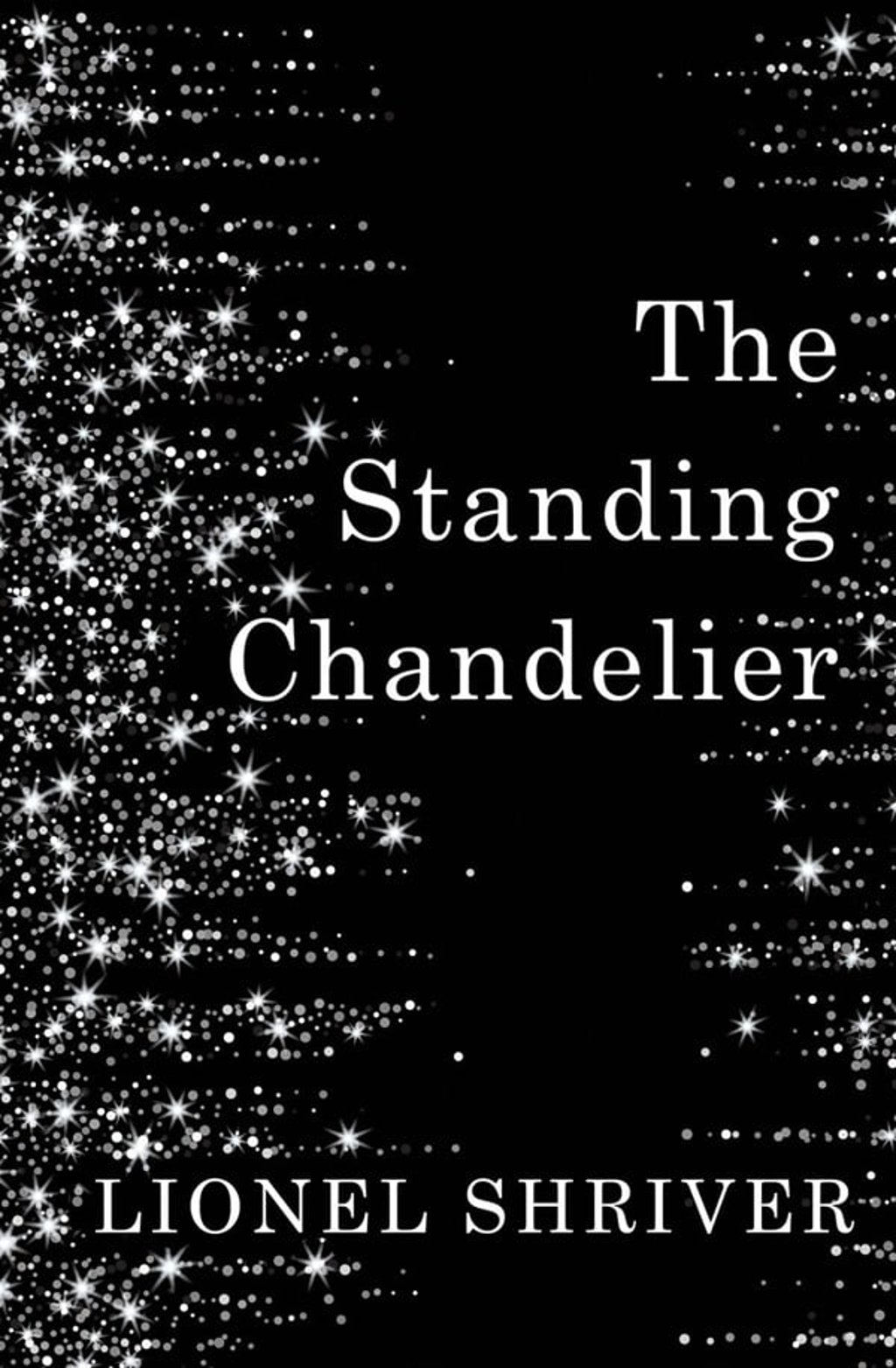
The story is an examination of a friendship between a middle-aged man and woman, Weston and Jillian, who are old friends and ex-partners. Weston’s girlfriend, Paige, now complicates the friendship. Paige dislikes Jillian and feels threatened by her long-standing relationship with Weston.
This is a good premise: the way a woman can feel threatened by other women is worth examining. The politics of giving gifts (the couple receive an extravagant present from Jillian on their engagement) can also be interesting (and was studied at length by celebrated French sociologist Marcel Mauss, among others). But what scuppers The Standing Chandelier is its inconsequentiality.