ReviewMan Booker winner’s new book a heartbreaking meditation on baby sister who died hours after birth
Han Kang deftly employs the colour white to explore grief, memory and the fragility of human existence

The White Book
by Han Kang
Portobello Books
Here are a few things that The White Book by Han Kang is not. It isn’t very long – just 128 relatively unpacked pages. Most individual sections last fewer than three pages, and many barely trouble much more than a single sheet of “black writing through white paper” (to quote one chapter title).
Nor is it very conversational, either in terms of dialogue or tone. A typical example of oblique lyricism inquires how the ghosts of a particular city behave in an early morning fog: “Do they greet each other, through the gaps between those water molecules which bleach their voices white?”
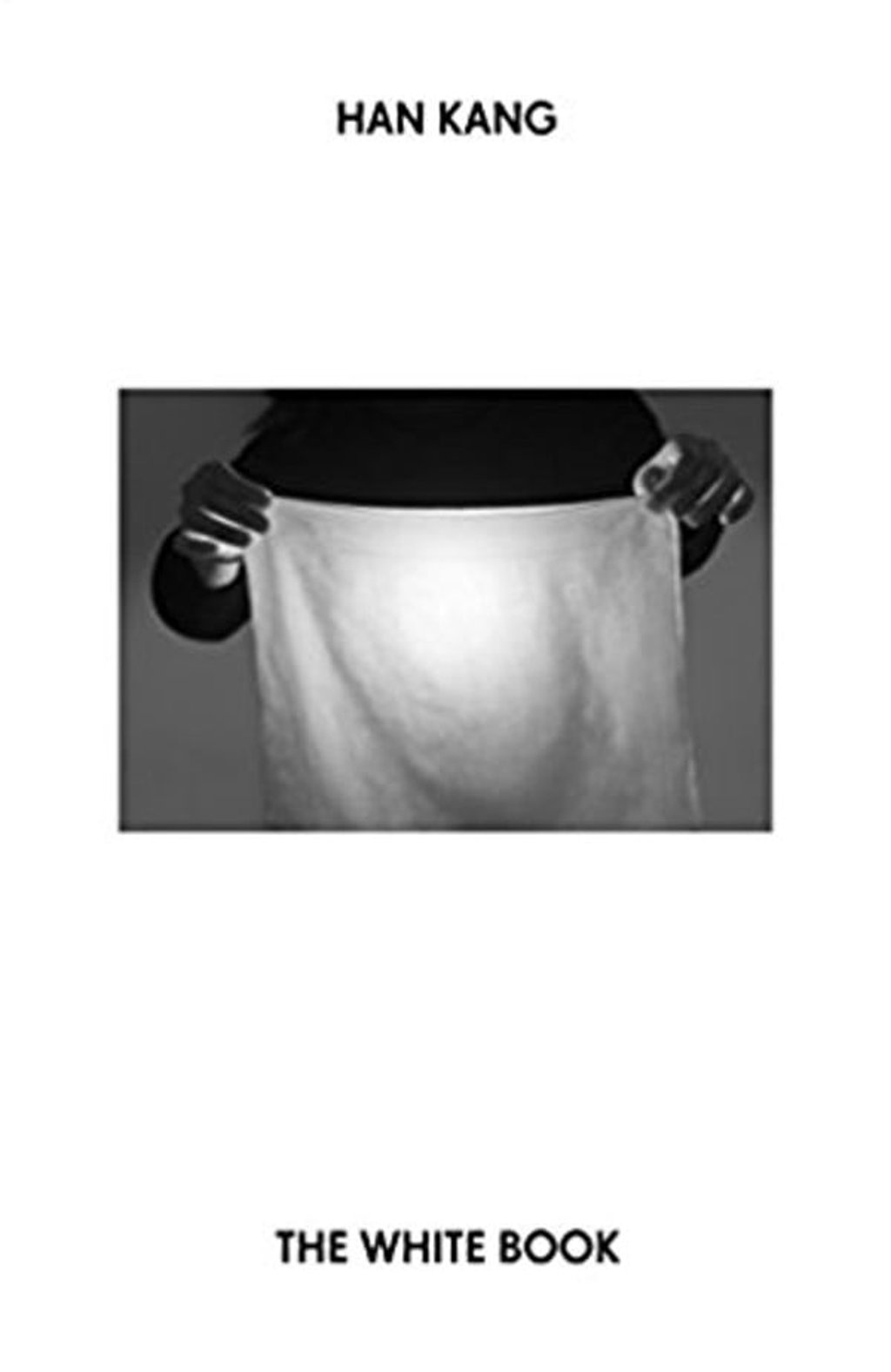
Finally, there is no obvious plot, story or narrative. An unnamed woman, possibly Han, though it needn’t be, wanders through an unnamed European city (possibly Warsaw) destroyed by the Nazis in the second world war and ponders the brittleness of the world.
As Han’s focus alternates between inner and outer worlds, personal time and the historical, other locations and preoccupations arise, including South Korea’s Gwangju massacre, which inspired her previous book, Human Acts (2014). What connects one to the next is a preoccupation with white – as metaphor, material presence and ephemeral absence.