ReviewBruce Lee’s death: biography offers a bizarre new theory
Heatstroke probably caused death of martial arts master after he had sweat glands surgically removed from armpits, author claims

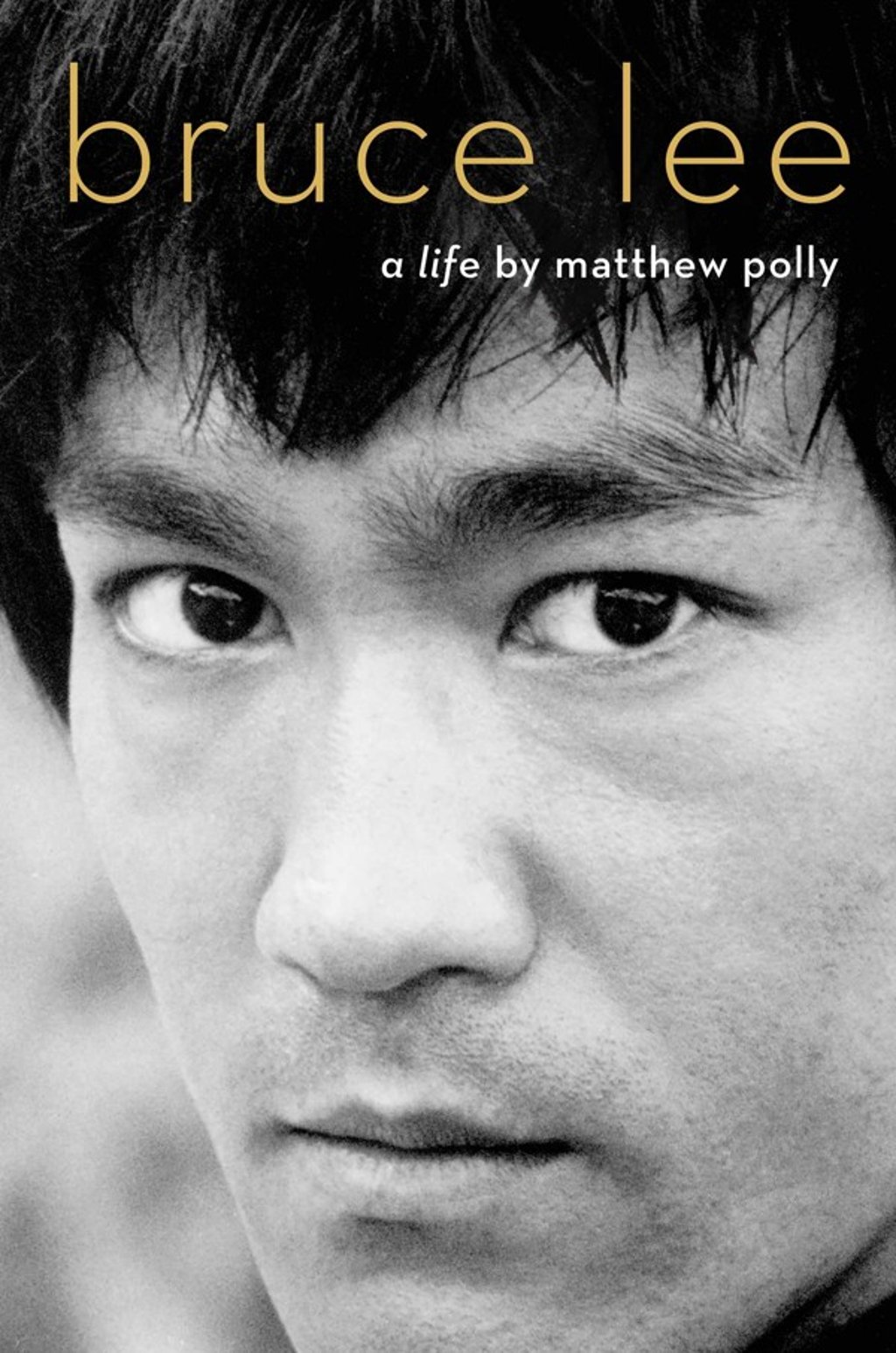
Bruce Lee: A Life
by Matthew Polly
Simon & Schuster
Bruce Lee may have died 45 years ago this month, but he remains one of the best-known Chinese celebrities. Lee’s films kick-started the kung fu genre, turning martial arts into a global phenomenon and boosting the Hong Kong movie industry’s reputation internationally.
Lee is one of the top-earning dead celebrities – and on a relatively slim body of work: he featured in just three kung fu films that were released while he was alive (The Big Boss [1971], Fist of Fury [1972] and Way of the Dragon [1972]). Two others (Enter the Dragon [1973] and Game of Death [1978]) were released after his death, at the age of 32, on July 20, 1973 – just six days before the release of Enter the Dragon would make him a global superstar.
With a background in the wing chun form of kung fu, Lee added nimble movements learned from boxing and cha-cha dancing (he had been a champion dancer in his youth). He strived to develop a fighting style tailored to the individual, and changed Hong Kong cinema along the way: suddenly, movie stars were as or more important than the studios, which had traditionally treated lead actors as disposable camera fodder.
He was determined, individualistic and proudly Chinese at a time when minorities were expected to be quiescent and actors to do as they were told. (Polly writes that people working with Lee on Enter the Dragon found him difficult, yet the changes he demanded improved the film.)