ReviewBleak reality confronts the Chinese dream in Yan Lianke’s gruesome, gripping novel, The Day the Sun Died
Metaphors abound as novelist paints a powerful portrait of his nation’s slide into a prosperous dystopia

The Day the Sun Died
by Yan Lianke (translated by Carlos Rojas)
Grove Press
“Brother Lianke, you can use tonight’s events as the basis for a novel.” Yan Lianke is far from the first novelist to insert himself into one of his fictions: Philip Roth, Bret Easton Ellis, Stephen King and Douglas Coupland are just a few who have tilted at this postmodern windmill.
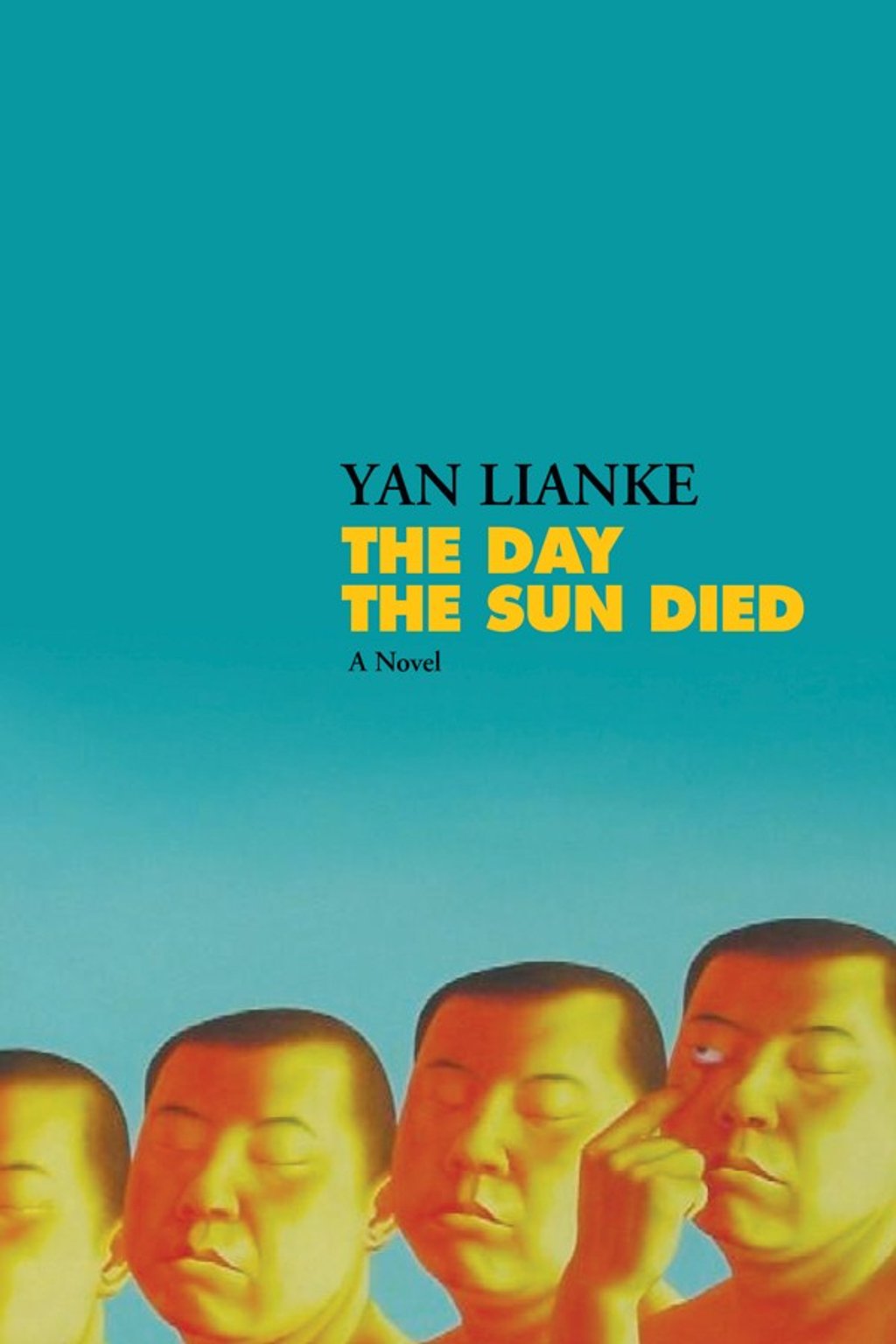
The Yan Lianke who frequents The Day the Sun Died bears a strong – but deceptive – resemblance to the Yan Lianke who actually wrote The Day the Sun Died, which, in 2016, won Hong Kong’s prestigious Dream of the Red Chamber Prize and has now been translated into English. This fictional Yan’s books are mentioned and liberally (mis)quoted throughout by Li Niannian, our young narrator and Yan-super-fan. All sound almost genuine: Years of Sun, Watery Hardness, Kissing Lenin and (most playfully) Ding of Dream Village, a riff on Yan’s 2005 novel Dream of Ding Village.
“Good or bad, his books contain writing – and even though I may be stupid, I still like to read,” Niannian notes with lighthearted faint praise of the great novelist who just happens to live next door, in Gaotian Village.
It is Niannian’s father who suggests “Yan” writes a novel about the events that overwhelm the village on June 6; as it is also the Dragon Boat festival, this proposes 2011 as the novel’s temporal setting. During that particular festival, the sun doesn’t set so much as vanish, causing Gaotian’s citizens to “dreamwalk” (Carlos Rojas’ preferred translation of Yan’s original usage).