ReviewChinese science-fiction author Liu Cixin’s Ball Lightning rewards readers patient enough to navigate the techspeak
Flawed prelude to The Three-Body Problem, the sci-fi maestro’s major hit, asks the big questions but labours over small details

Ball Lightning
by Liu Cixin (translated by Joel Martinsen)
Tor Books
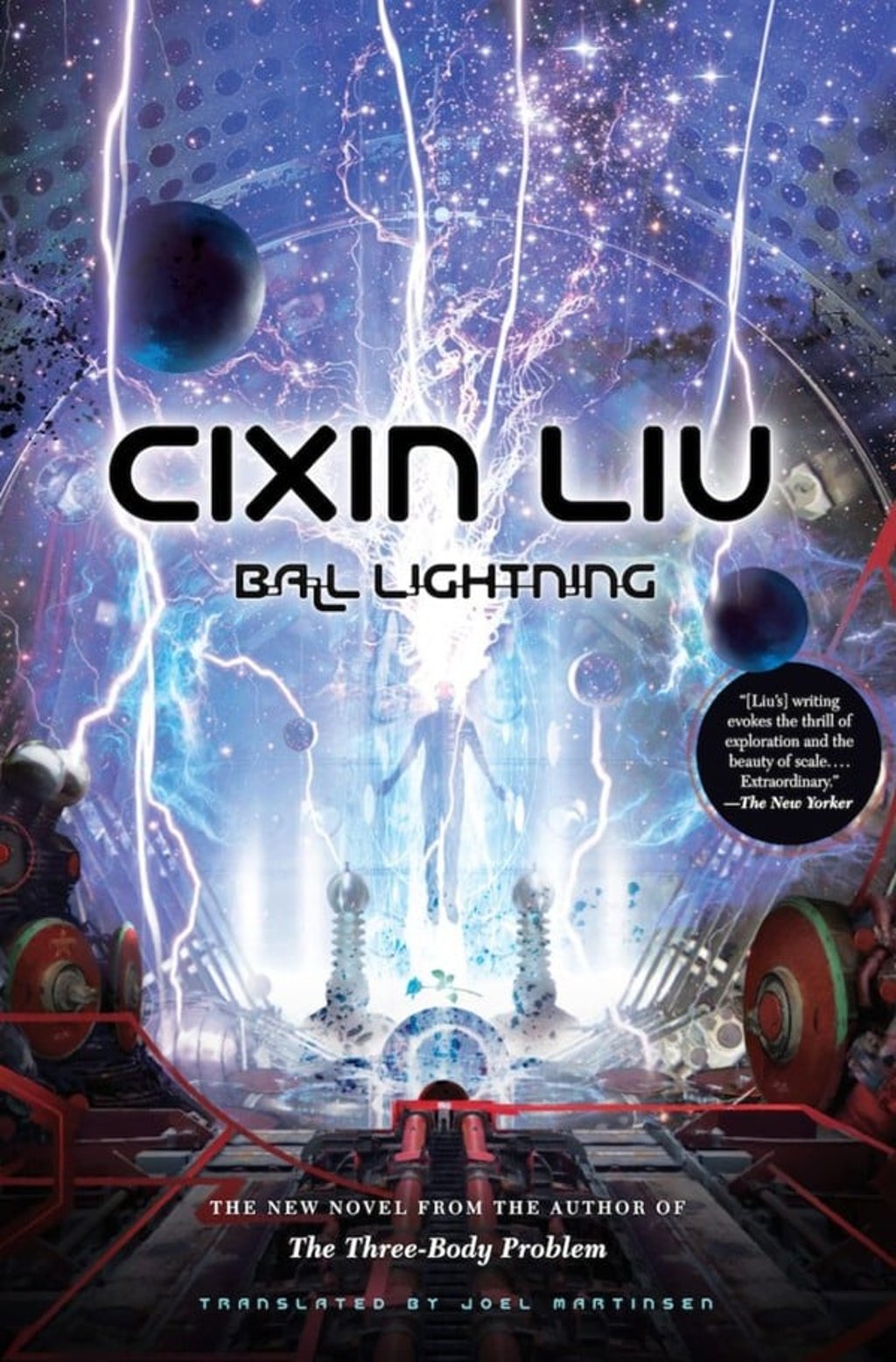
This is ball lightning – a real, but extremely rare natural phenomenon. What made this event life-changing for Liu was its proximity to another exceptional experience: “That same year, I read two books by the British writer Arthur C. Clarke, 2001 and Rendezvous with Rama.” This pair would directly inspire The Three-Body Problem. But Ball Lightning, by contrast, emerges from a different tradition: the Chinese “invention story”.
Unlike the Promethean dystopias favoured by Western novelists, which linger on the detrimental effects of scientific innovation (see Frankenstein, for example), Chinese writers are “preoccupied with the description of a futuristic technological device and speculation on its immediate positive effects”, Liu writes.
This just about describes Ball Lightning, which opens on a note of raw emotion. Fourteen-year-old Chen is celebrating his birthday with his parents. Outside thunder rumbles and lightning flashes: “On a stormy night, you get a sense of how precarious family life really is,” Chen thinks, with what proves to be double prophecy. Suddenly, one arc pierces the wall forming a basketball of hazy red energy that, after hovering around the terrified trio, incinerates Chen’s mother and father.