M+ museum curator and the Susan Sontag novel that changed his life, The Volcano Lover
For Hong Kong curator Doryun Chong, the feminist icon’s bestselling 1992 novel brought history of art to life

Feminist writer Susan Sontag is best known for her cultural observations of the 1960s, but in 1992 she published a romantic historical novel, The Volcano Lover. Sontag’s first work of fiction for 25 years and her first bestseller, the Naples-set novel uses a real-life love triangle between British naval hero Horatio Nelson, his lover, Emma Hamilton, and her husband, William Hamilton, the British ambassador to Naples and a keen amateur vulcanologist, to critique society.
Doryun Chong, deputy director and chief curator of the M+ museum for visual culture, explains how the book changed his life.
I first read The Volcano Lover more than 20 years ago – I believe it was in 1997 – during my first year at graduate school, at Berkeley, in California, where I was taking a PhD programme on art history. Like most graduate programmes, the first year was the most traumatic, with a lot of course work. After a very intense first term, I went on a trip to Italy.
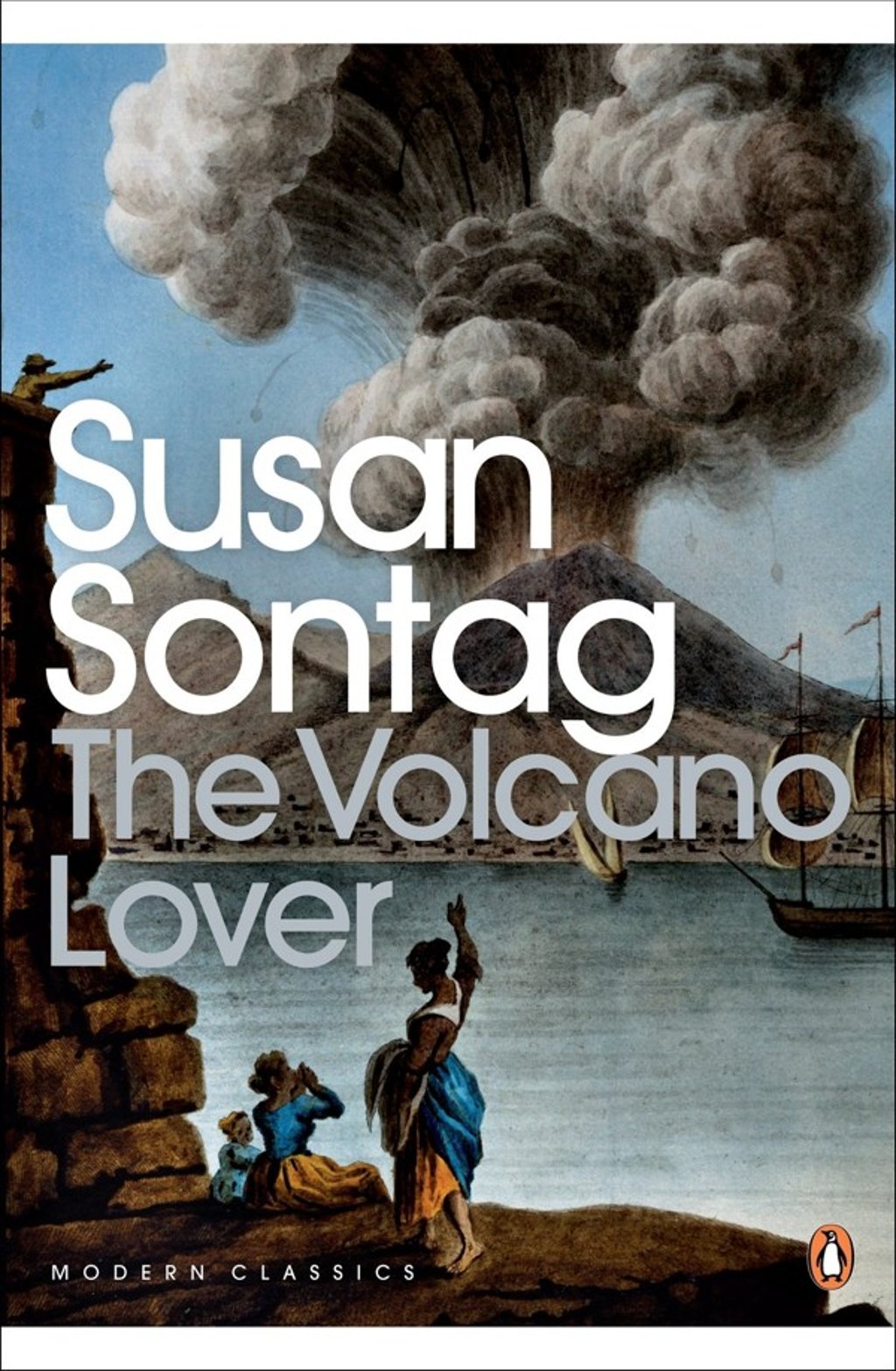
What The Volcano Lover made me realise was my own interest in and passion for understanding art history. I realised that the history of art isn’t just knowledge you gain from books. It highlights how art can become entangled with larger history, the history of political events, but also with personal history – the histories of lives.
It’s not a typical novel – it lies somewhere between fiction and an essay. There are meditations on a lot of things: the art of collecting, politics, revolutions. At the start, the author talks in her own voice, but she soon plunges into a vivid evocation of a place and time, the characters and their inner lives. I didn’t know much about Lord and Lady Hamilton and Nelson, but I was sucked into the story. It’s engrossing and transformative – it takes you to another level of consciousness.