‘It was my guidebook to China’: serial entrepreneur on Lin Yutang’s My Country and My People
Published in 1935, the Fujianese writer’s book is still relevant today, says Hungarian Tony Verb, and provides great insight into China

Fujianese writer, philosopher and translator Lin Yutang’s humorous, urbane works, deeply rooted in Confucian philosophy, were popular from the 1930s, first in Shanghai and later in the United States. His 1935 book, My Country and My People, was the start of a decades-long mission to popularise and promote understanding of Chinese culture and philosophy in the West. Tony Verb, founder of investment firm GreaterBay Ventures & Advisors and a co-founder of Metta, a club for entrepreneurs, explains how it changed his life.
This book has a lot to do with who I am and how I think. I read it about 8½ years ago in Café Panini, my favourite neighbourhood coffee shop in Budapest (Hungary), my hometown, in preparation for moving to Hong Kong. They have a bookshelf there. This book had a beautiful fabric cover and the Hungarian title refers to China. After I picked the book up, I couldn’t put it down and kept going back to the coffee shop. It was a beautiful time in my life, full of anticipation of coming to Hong Kong. I had always wanted to live here; I was fascinated by it.
I was ignorant, I guess, just like anyone who’s never lived in China and never done any research from an anthropological point of view. The book gave me insight into the country, the city and the people. Spiritually and intellectually it put me in the right place to come to the city. It gave me so many ideas and changed my thoughts about the culture. I would recommend it to anyone who’s coming to Hong Kong or anywhere in China.
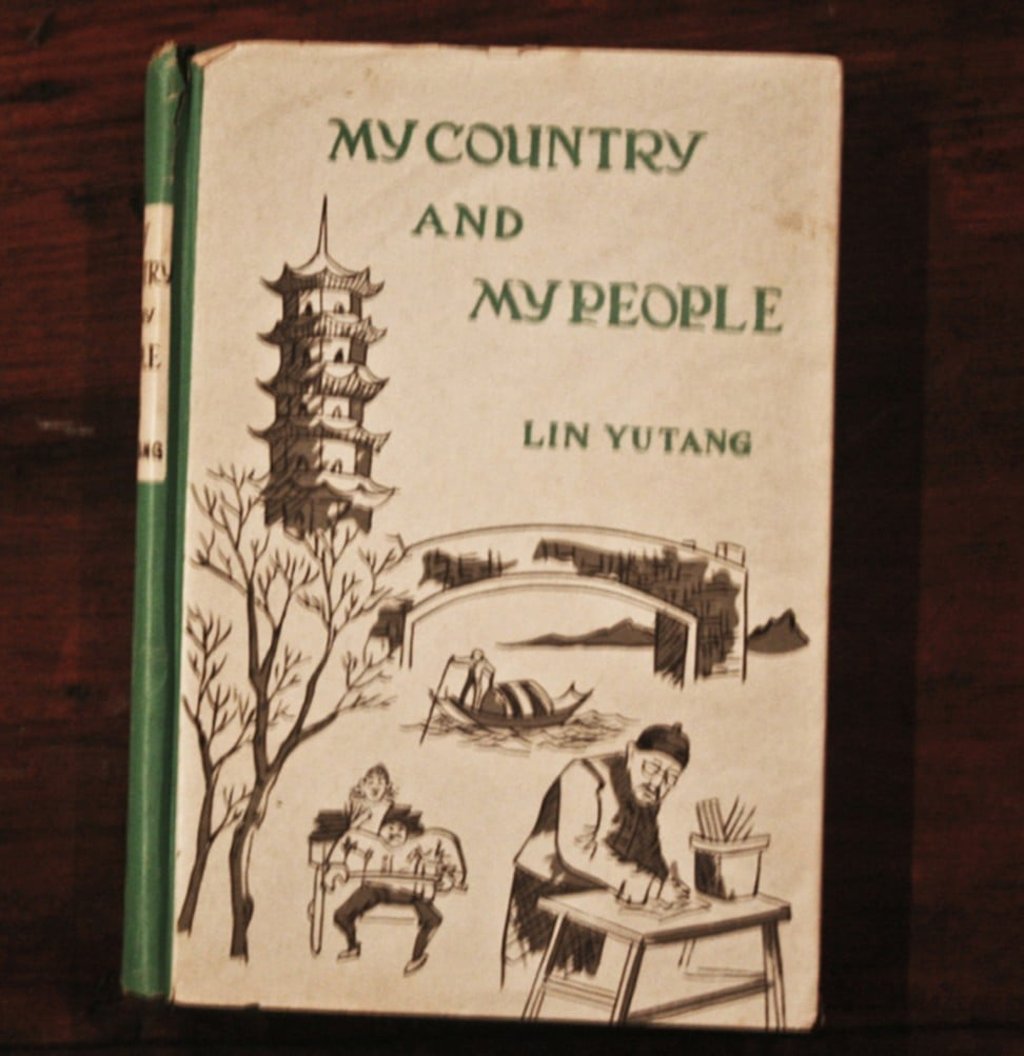
The book walks people through all the different aspects of China and its people: traditional attitudes, historical facts, cultural information. It was my guidebook. What’s mind-blowing is how relevant it still is. It discusses basic things like marriage, family, food – things that have been around for thousands of years.
That I found my home here is not an accident; I felt at home the first day I came to Hong Kong. I’m aligned with system-based thinking, and the way I think things should work applies in this place; I never felt that in Hungary.