How The Book of Tea taught a curator to see the human behind the art
- Takahashi Mizuki is co-director of the Centre for Heritage, Arts and Textile, the arts centre at The Mills, a Hong Kong conservation project
- She says art critic Kakuzo Okakura’s 1906 classic changed her understanding of Japanese culture

Art critic Kakuzo Okakura (1862-1913) championed traditional Japanese culture at a time of growing Westernisation. He played a pivotal role in introducing Japanese culture to the West. His The Book of Tea (1906), originally written in English, is both a treatise on Japanese tea culture and a deeper exploration of the differences between Eastern and Western modes of thought. Takahashi Mizuki, co-director of the Centre for Heritage, Arts and Textile, at The Mills conservation project in Tsuen Wan, explains how it changed her life.
I read this book when I studied Japanese art history at SOAS (the School of Oriental and African Studies, at the University of London) in 1997. I read the translated Japanese version first and then went back to the original.
I went to SOAS after studying Italian art history in Japan. I had found an interesting book, The Lens Within the Heart: The Western Scientific Gaze and Popular Imagery in Later Edo Japan (1996), by British historian of Japanese art and SOAS professor Timon Screech. His methodology is transgressive. It’s not about Buddhist sculpture or woodblock prints or ink painting; it’s about Japanese portraits of the human body, urban planning, city maps from the 19th century. It took me to London to study Japanese art history from a non-Japanese perspective. It opened my mind to see art as not only valuable objects in galleries and museums. It opened my horizons of how to approach visual culture in terms of items strongly associated with everyday lives.
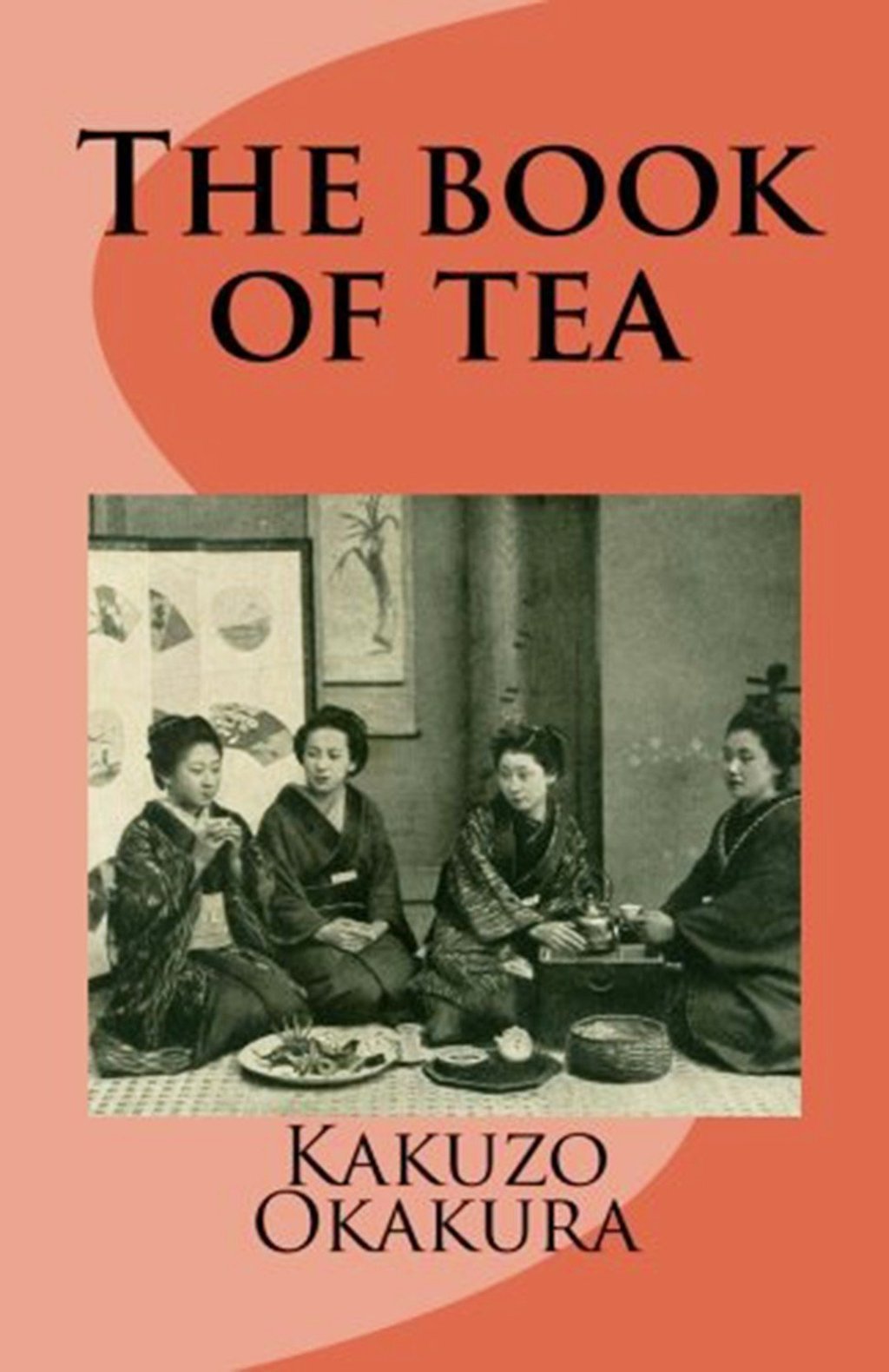
There was a lecture (by Screech) about the tea ceremony: the porcelain, the architecture, the art of flower arranging that accompanies it, and the gestures it involves. The Book of Tea was on the reading list. I’m not interested in the tea ceremony itself. There are many rules you’re forced to follow, and that is not my taste. But the book changed my way of understanding the tea ceremony and its customs and culture. (Okakura) talks about the history of the ceremony, how it’s related to Buddhism and Chinese culture, and how it’s an art form that comes from human nature. In his first sentence, he says that tea is essentially a worship of the imperfect – an attempt to accomplish something impossible. That can be adapted to any art form. There’s always a human behind any kind of art.
It taught me how to appreciate art and how to see the spirit underneath objects. It became the foundation of my curatorial attitude – generous and open-minded.