ReviewThe Anarchy: how the East India Company looted India, and became too big to fail, explored by William Dalrymple
- Historian has penned an eloquent tale of greed, violence and the first corporate bailout in history
- The company’s conquest of the Mughal empire is ‘history’s most ominous warning about the potential for the abuse of corporate power’, he writes
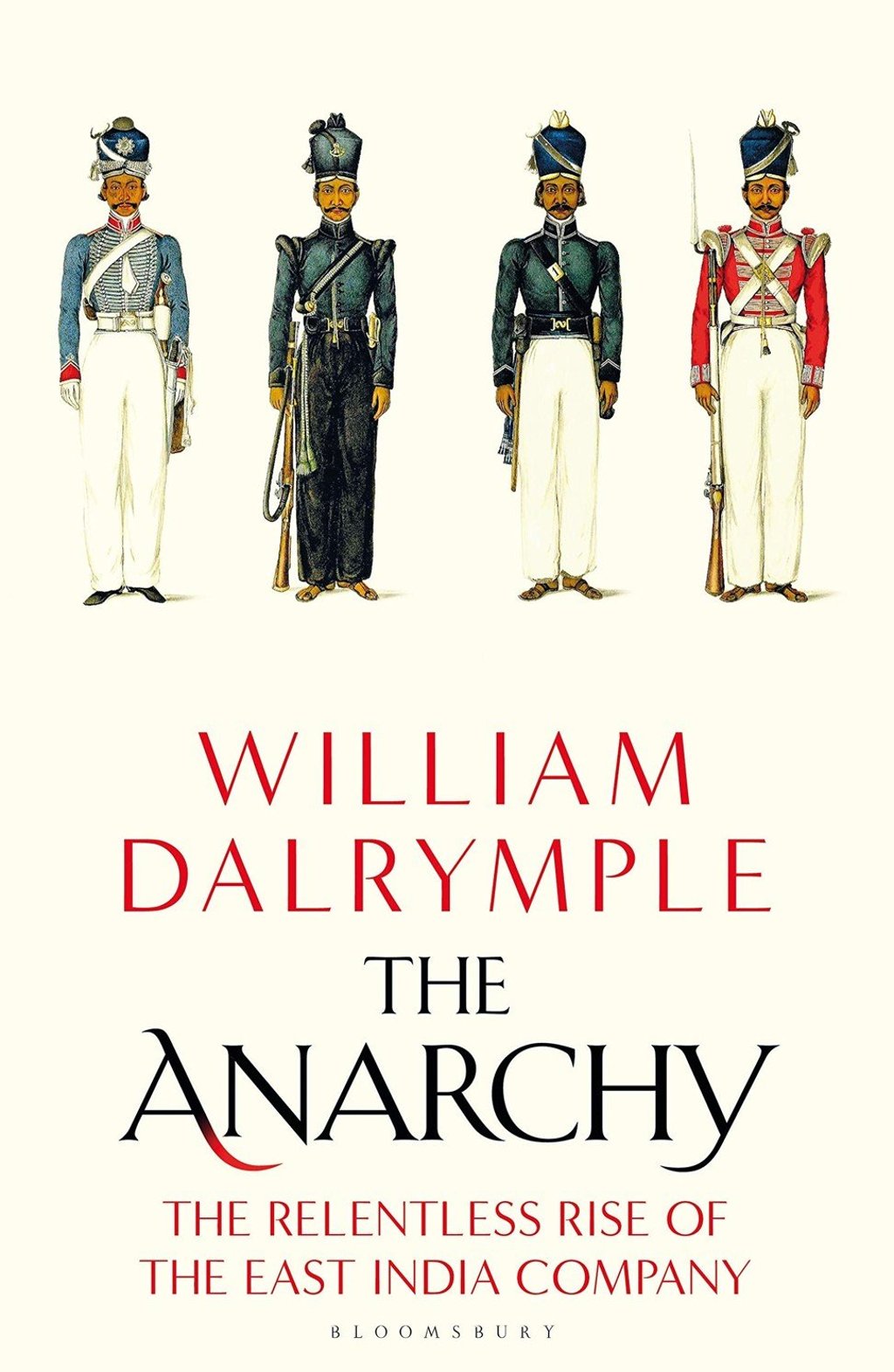
The Anarchy: The Relentless Rise of the East India Company
By William Dalrymple
Bloomsbury
4/5 stars
No man looted more of the subcontinent’s wealth for the company – or siphoned as much of it into his own pockets – than the company’s governor of Bengal, Robert Clive.
Powis Castle in Wales, which houses many of the treasures brought back from India by Clive and his son, Edward, “is simply awash with loot from India”, writes Dalrymple. “There are more Mughal artefacts stacked in this private house in the Welsh countryside than are on display in any one place in India – even the National Museum in Delhi.”
The pugnacious “Clive of India” is just one of the larger-than-life characters who populate this sumptuously detailed history, along with other East India Company (EIC) employees, French and German mercenaries, Mughal emperors, sultans, peshwas and nawabs. But for Dalrymple, Clive more than any other embodies the rapaciousness of this private company, founded in 1600 by a motley group of Elizabethan merchants, adventurers and self-styled “privateers” with the sole aim of enriching its investors.