Review | China and the world: 2,000 years of myths, misconceptions and among them, some truths
- In Great State, historian Timothy Brook takes a fresh look at China’s international relations through 13 encounters
- Although presented, at least by official accounts, as a unified state for two millennia, the truth is more complicated

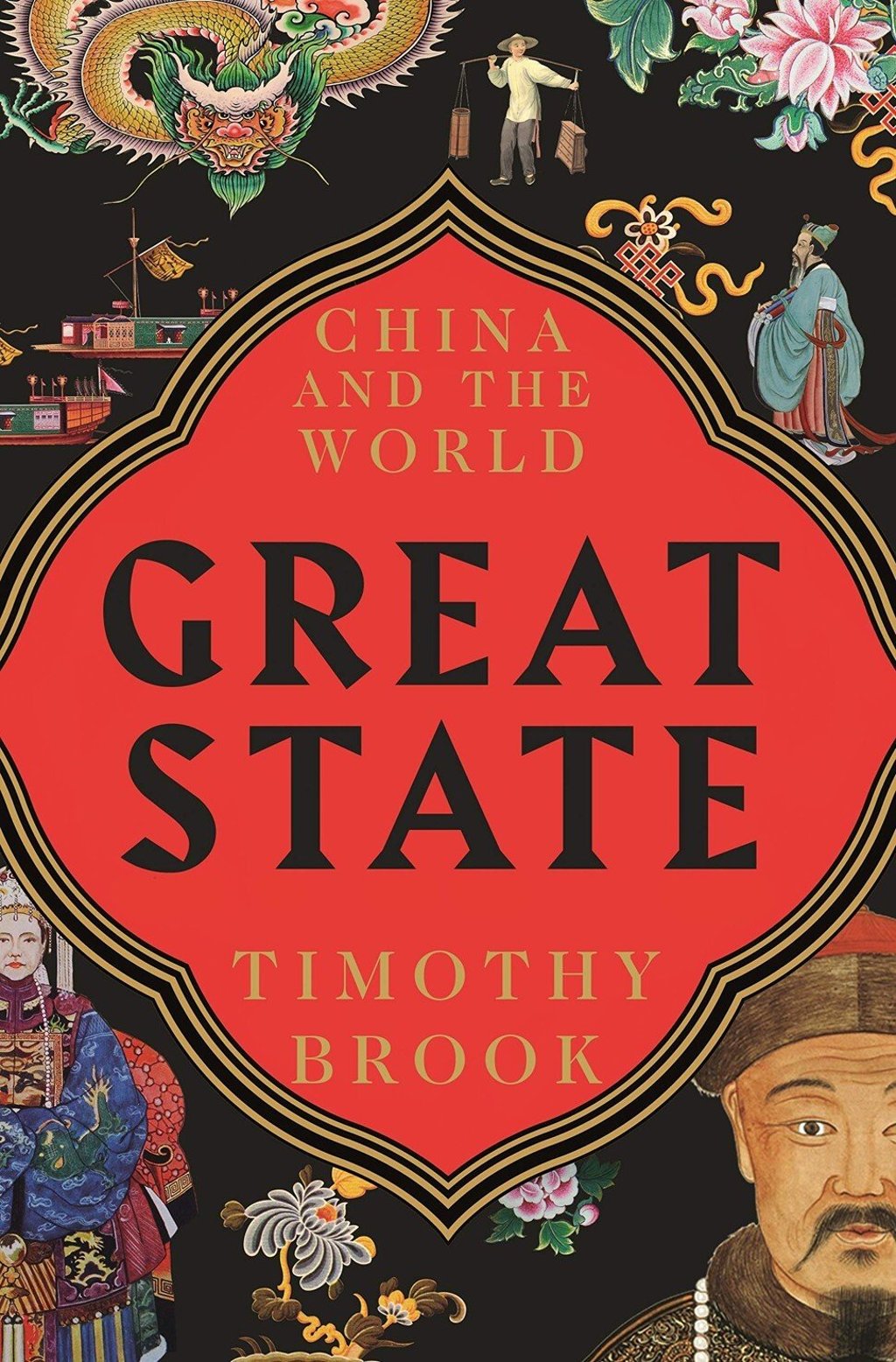
Great State: China and the World, by Timothy Brook, HarperCollins, 3.5/5 stars
Historian Timothy Brook is probably best known for 2008’s wide-ranging Vermeer’s Hat, in which he used the Dutch master’s paintings as a starting point for his discussion of world trade in the 17th century.
In Great State: China and the World, he applies a similar technique to give a new account of the Middle Kingdom’s connections with the outside world from the 13th to 20th centuries, using portraits, maps and other images to illustrate his points.
Brook is intent on dismantling the popular idea, still promoted by Chinese authorities, of a vast, culturally unified, self-sufficient nation occupying much the same geographical position for more than 2,000 years, with other states merely barbarian moths drawn to its cultural flame.
That the story of China’s isolation is a myth has been suggested before, such as in Joanna Waley-Cohen’s The Sextants of Beijing (2000), which looked at the multinational origins of some of the nation’s claimed inventions.