ReviewThe Message, Mai Jia’s flawed wartime novel, can be read as disguised criticism of Chinese Communist rule
- A fiction about the hunt for a spy among wartime codebreakers combines with a metafictional narrative about a writer looking for the story
- The popularity of this bloated book is puzzling until it is read as a comment on the trauma of the Cultural Revolution

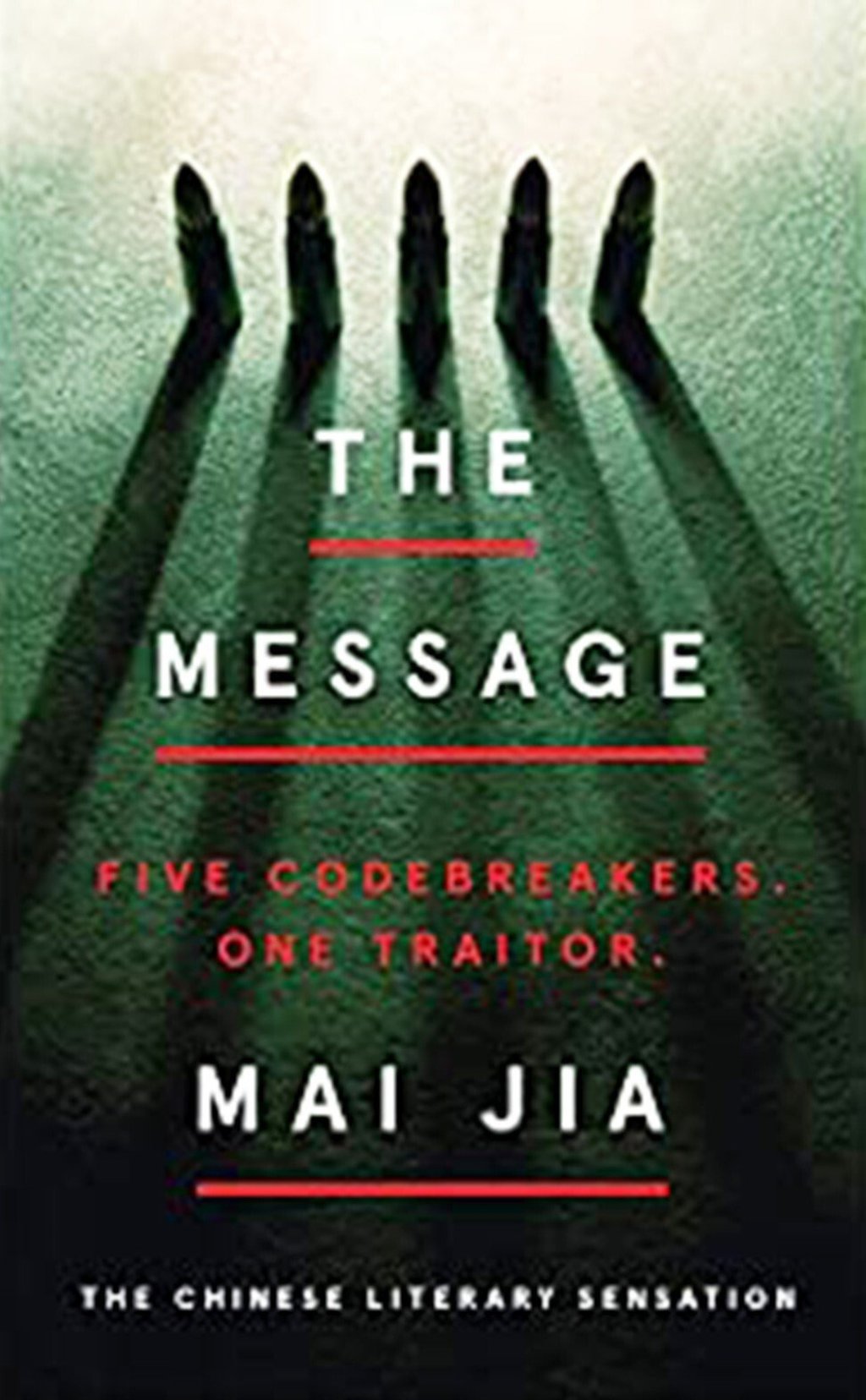
The Message
by Mai Jia
Head of Zeus
2.5/5 stars
Mai Jia’s books, now being translated and published in English, make great play of his huge sales in China. With global sales of 10 million, he is “the bestselling author you’ve never heard of”, according to the marketing hype.
The Message, which was published in Chinese in 2007, has a similar premise. In 1941, five codebreakers (Chief of Staff Wu Zhiguo, Section Chief Jin Shenghuo, cryptographer Li Ningyu, Secretary Bai Xiaonian and Gu Xiaomeng, a subordinate of Li) are taken to a commandeered villa in occupied Hangzhou by the Imperial Japanese Army. They are informed of communist activity in the area and given an intercepted message from a Commander Zhang to decode.
This turns out to be a simple task, but the message is ominous for four of them: “Right here at our heart there lies / A Communist agent in disguise / Wu, Jin, Gu and Li / Which of you can it be?”