Review | The Bird in the Bamboo Cage: Hazel Gaynor’s novel explores the devastation of a Japanese internment camp
Set in China’s Weihsien internment camp, the real-life aspects of Hazel Gaynor’s war novel may seem far away, but the human fortitude in the face of brutality and deprivation displayed within seems fitting for today’s challenges

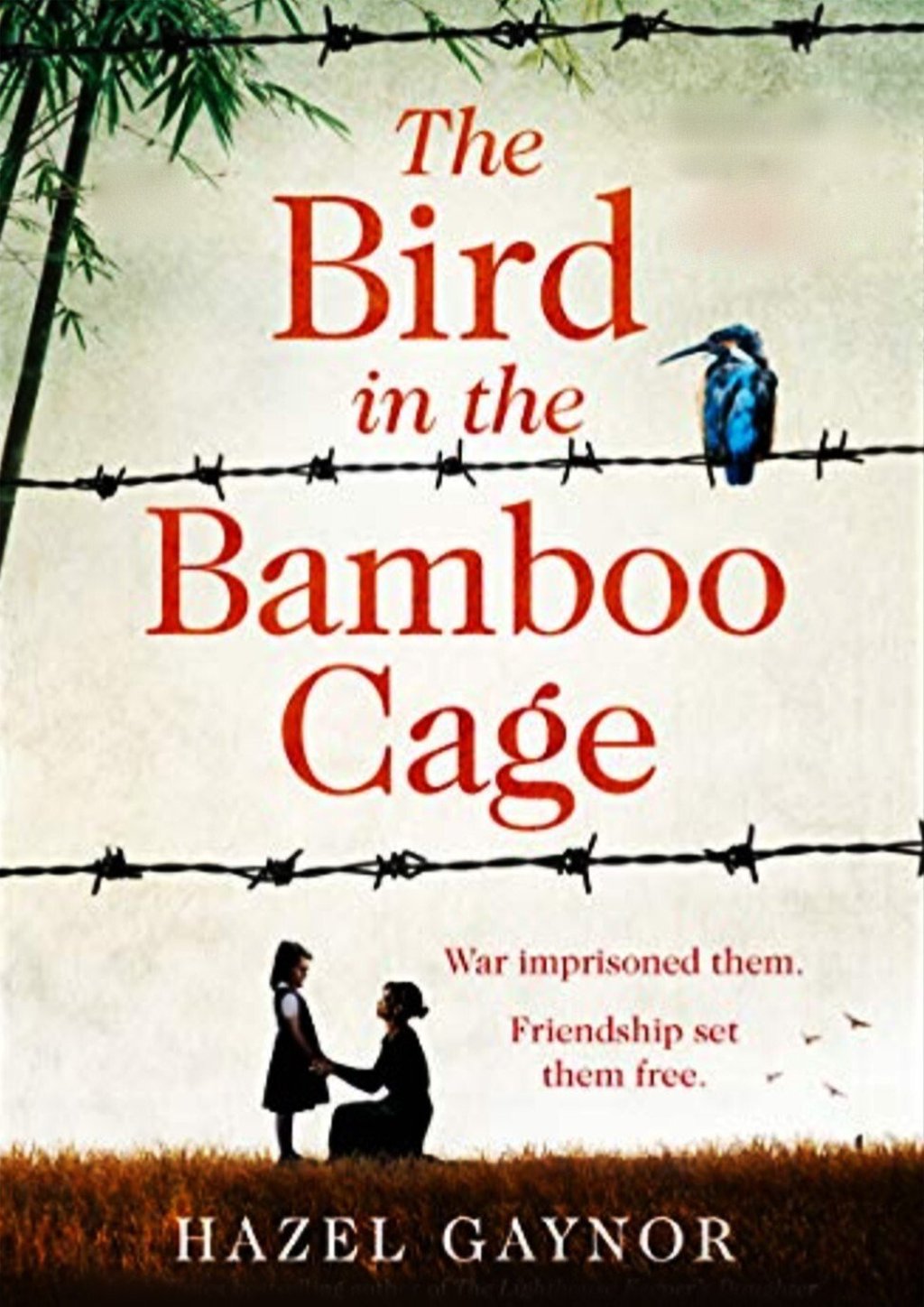
The Bird in the Bamboo Cage by Hazel Gaynor, HarperCollins. 4/5 stars
Hazel Gaynor’s speciality is in turning well-known historical mysteries and crises into fiction. Her debut, The Girl Who Came Home (2014), was set on the Titanic, and 2017’s The Cottingley Secret fictionalised the famous fake photographs of fairies that obsessed Arthur Conan Doyle among countless others. The Bird in the Bamboo Cage, her sixth novel, is also inspired by events past.
She will live to regret her hesitation. Within days, Japan declares war on Britain and the school is commandeered by the occupying army. Initially, the primary source of outrage is the notices placed on every conceivable object (mirrors, doors, bars of soap) proclaiming them the property of Emperor Hirohito. Then a teacher, Minnie Butterworth, is punched in the face for reprimanding a soldier who has the temerity to requisition her desk.
So begins a gradual descent from bad to worse and even worse. Gaynor is primarily interested in the experience of women, and divides the narration between the older teachers (through Elspeth) and preteen students – via a lively, compassionate English girl called Nancy.