Fashion in fiction, from Sherlock Holmes’ deerstalker to Patrick Bateman’s designer name-dropping
The devil might wear Prada and the Bible is not without sartorial advice – in fact, the relationship between literature and style is more entwined than you might think

“I might not particularly love fashion, but I’d sure rather do something ‘fun’ all day long than get sucked into a more boring job.”
So says Andrea Sachs, heroine of Lauren Weisberger’s hit novel The Devil Wears Prada. Inspired by Weisberger’s real-life experiences as personal assistant to American Vogueeditor, Anna Wintour, Andrea begins working at glossy, Vogue-alike Runway magazine while preparing for her proper career, at The New Yorker.
Both Weisberger’s 2003 novel and the subsequent movie are propelled by the implied contrast between the superficial world of fashion and the profound world of serious (or at least semi-serious) literature. By the end, however, you can’t help but wonder (to quote another New York fashion icon, Sex and the City’s Carrie Bradshaw): was Andrea better off being flogged by the diabolical but charismatic Miranda Priestly than writing tedious semi-autobiographical fiction about it?
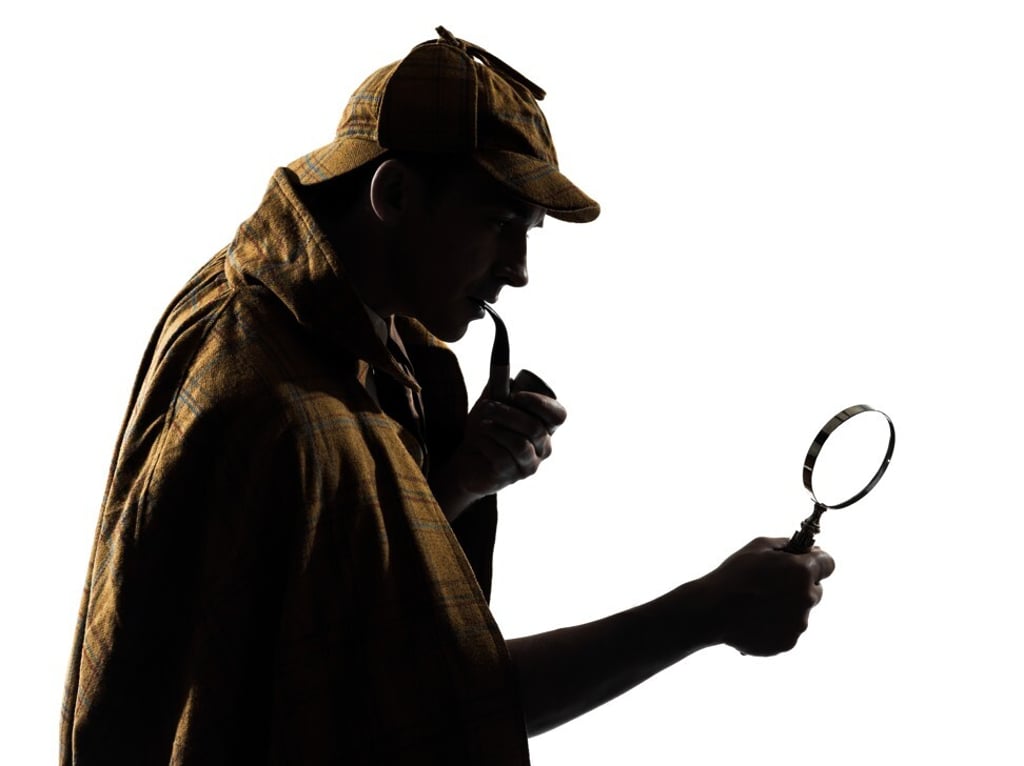
To continue in Bradshaw mode: what do books and fashion have in common? Not a lot if literature’s greatest contributions to sartorial elegance are anything to go by. I give you the deerstalker, as modelled by Sherlock Holmes, and the Alice band, as worn by the heroine of Lewis Carroll’s Alice in Wonderland (1865). The first is eccentric, the second functional. Neither is chic.
The book’s broader reputation as terminally unfashionable deepens every time someone declares the novel is dead. The written word is compared – like a fuddy-duddyrelation – to the newest kid on the cultural block: radio, film, television, pop music, video games, the internet, smartphones, or any of the above in streaming form.