Lost in translation? Three takes on modern Japan, via Monocle, Murakami and flash fiction
A trio of books – Who We’re Reading When We’re Reading Murakami, People From My Neighbourhood and The Monocle Book of Japan – examines how the Land of the Rising Sun has been interpreted for and embraced by the West

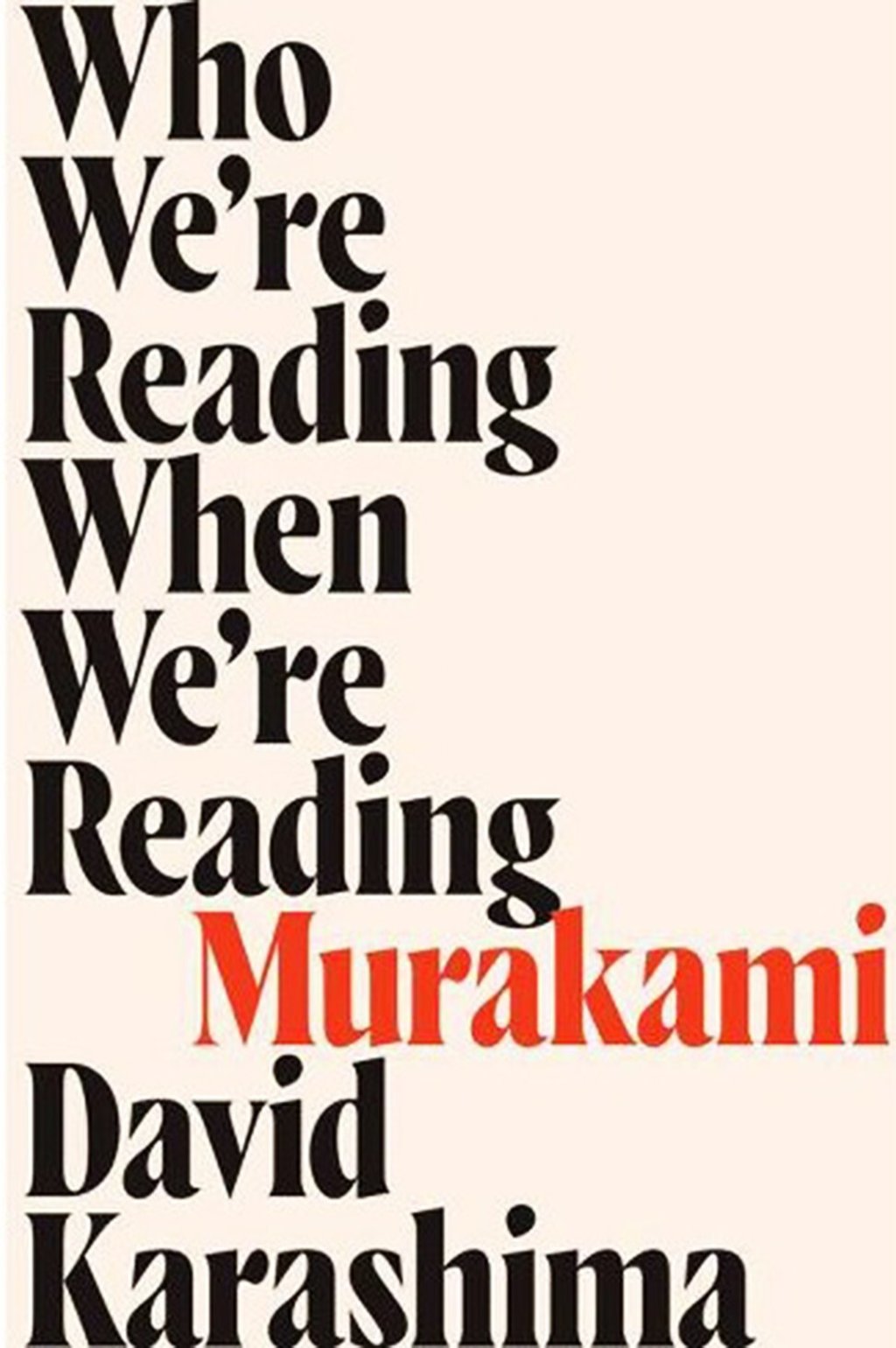
Who We’re Reading When We’re Reading Murakami by David Karashima, Soft Skull Press
How is Japanese culture packaged for the West? Depends on what they’re selling, and who’s doing the selling. When it came to A Wild Sheep Chase (1989), the English-language debut of Haruki Murakami, one of the country’s most successful literary exports, the book jacket declared: “The setting is Japan – minus the kimono.”
The trippy mystery underscored that Japanese literature had broken away from such “dour pain-in-your-face voices” as Kenzaburo Oe and Kobo Abe. Reflecting on a 1989 trip to New York, Murakami said Americans wanted to know how young people in Japan thought and lived. “In America, there is zero knowledge about these things,” he told the Asahi newspaper.
Murakami’s enablers did more than oil the wheels, according to David Karashima. They tussled with language, culture and knowledge, for example, whether to include famous (for the Japanese) dates, and even which Japanese names to use.
The work of the translators is the most interesting. Jay Rubin was so concerned about what Knopf might do to his longer-than-anticipated, 1997 translation of The Wind-Up Bird Chronicle that he handed the publisher two versions. The shorter (by 25,000 words) translation was used. Not surprisingly, he told The New Yorker, “When you read Haruki Murakami, you’re reading me, at least 95 per cent of the time.”