ReviewBurning the Books: how knowledge has come under attack throughout human history
Author Richard Ovenden’s book takes a Eurocentric look at the value, veracity and virtues of historical archives, but fails to mention China’s contribution – both constructive and destructive – to the annals of archiving
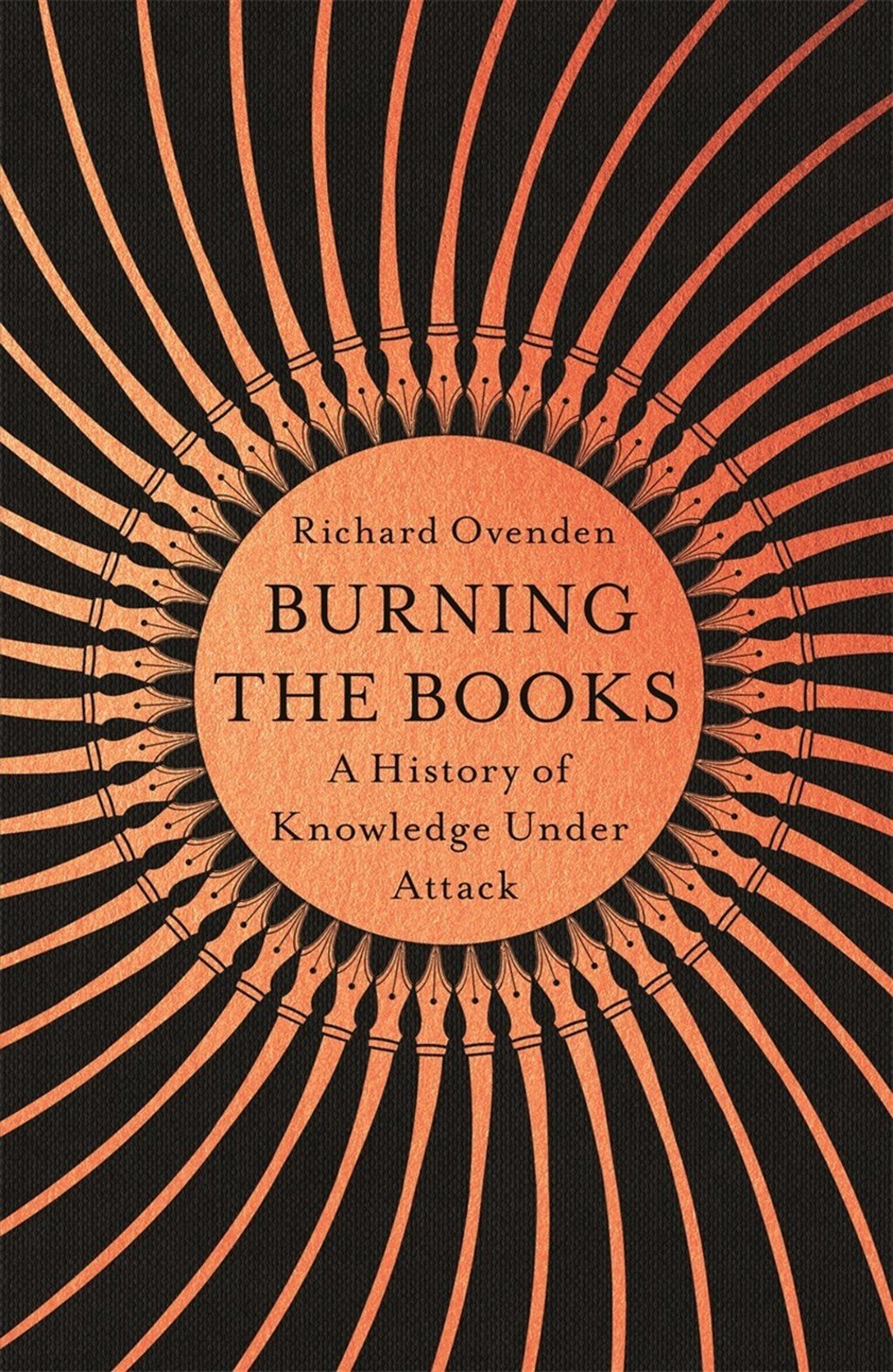
Burning the Books by Richard Ovenden, John Murray. 3.5/5 stars
Richard Ovenden is Bodley’s Librarian, the 25th of that title to be in charge of Oxford University’s library, founded in 1598, with its 13 million bound volumes and mile upon mile of manuscripts spread over 28 sites.
In Burning the Books, Ovenden tells the stories of many libraries and archives, of those who made or destroyed them, and the consequences of their dispersal, from ancient Mesopotamia to modern-day Iraq, Turkey and Britain.
Unsurprisingly, he’s in favour of archives and archivists, and sees them as having an important role for the indefinite future.
He points out that a pile of books is no more a library than a crowd of soldiers is an army. “It is the library staff who turn the pile of books into ‘an organised body of knowledge’. They are guardians of the truth, collecting knowledge in both analogue and digital form.”