Then & NowHow anthologies help readers discover lost books
- Anthology selections give potential new readers a non-committal first taste of longer tomes
- Chinese Ink, Western Pen: Stories of China, and Sinophiles and Sinophobes: Western Views of China, offer important insight

Books, like everything else, have their own natural lifespans. Publishers of original material thought likely to be popular may choose to invest in a larger print run, which ensures more surviving copies. Conversely, marginal works might only merit a small initial outlay, with any reprint contingent on successful sales figures.
These can be significantly affected by capricious reviews; many a worthwhile book has been torpedoed by a few unfortunate published remarks. Likewise, local-interest books produced in minority languages in relatively small, predominantly monolingual target markets – such as for English-reading audiences in Hong Kong, Thailand, Taiwan and Japan – result in even smaller print runs.
Unless serious bibliophiles in a particular subject areas assiduously collect whatever newly appears, many titles sink without trace, becoming largely forgotten reference-library fossils. Eventually, some titles become of sufficient historical, cultural or literary interest to merit a full reprint, and find a new life.
So how do readers discover unknown gems produced several decades earlier, that afford them new insights into their chosen place and period of research interest? Browsing through antiquarian bookshops in cosmopolitan cities with populations large enough to support them – such as London and New York – was the most common way to stumble on something old-but-new in pre-internet days. Another chance for serendipity was through subject-themed anthologies.
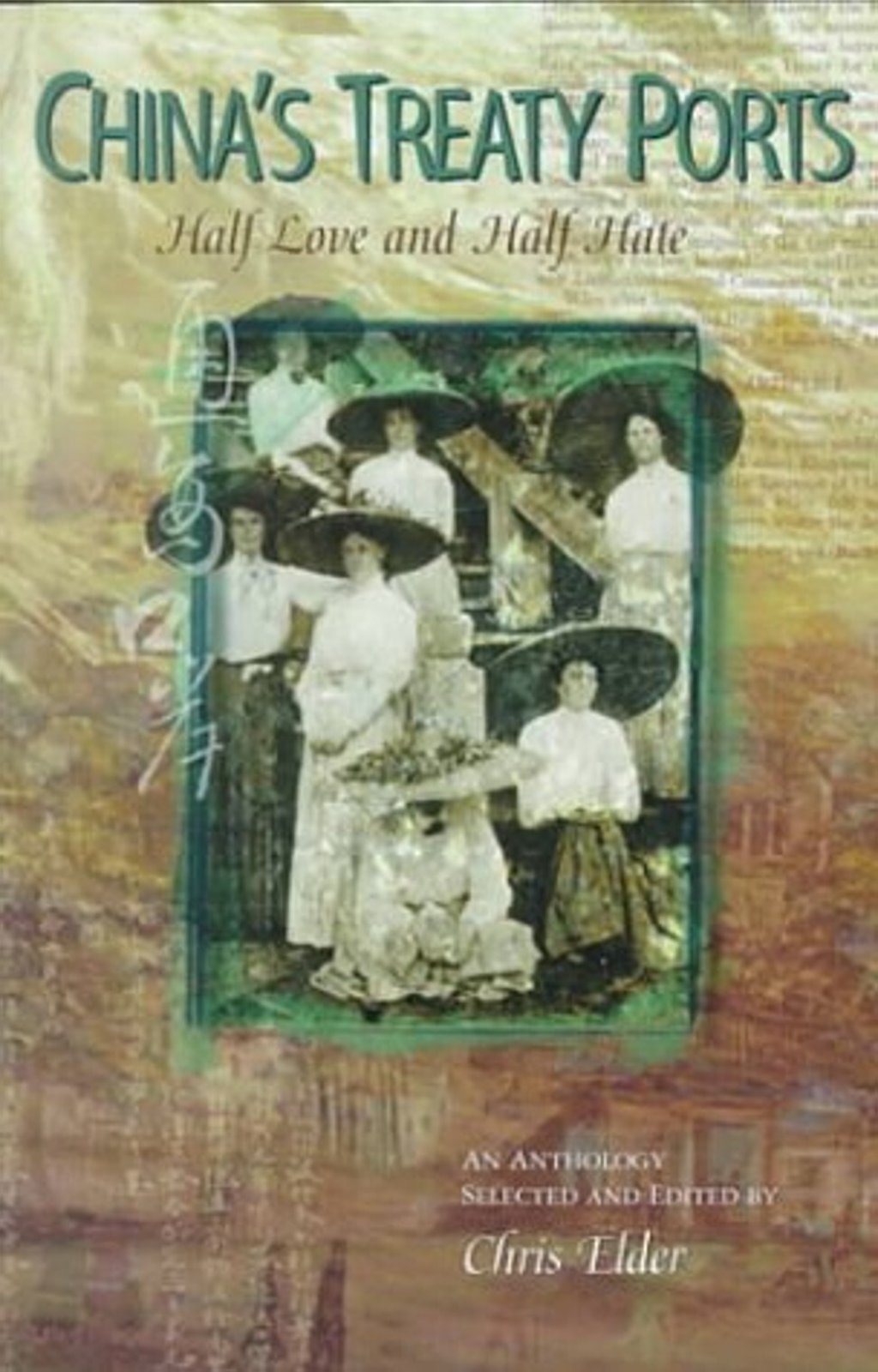
Anthologies, most commonly used for collections of poetry, also allow a brief introduction to prose works – both fiction and non-fiction – that have long since gone out of print. Some, such as Chinese Ink, Western Pen: Stories of China (2000), by Barbara Baker, and Sinophiles and Sinophobes: Western Views of China (2000), by Colin Mackerras, are useful tools for present-day readers to discover “lost” books.