A history of Chinese ‘coolies’ is one of poverty, piracy and, ultimately, emigration
In the book Coolie Ships of the Chinese Diaspora (1846-1874), John Asome explores the trade of indentured labourers from Chinese ports to Cuba, Peru and the West Indies

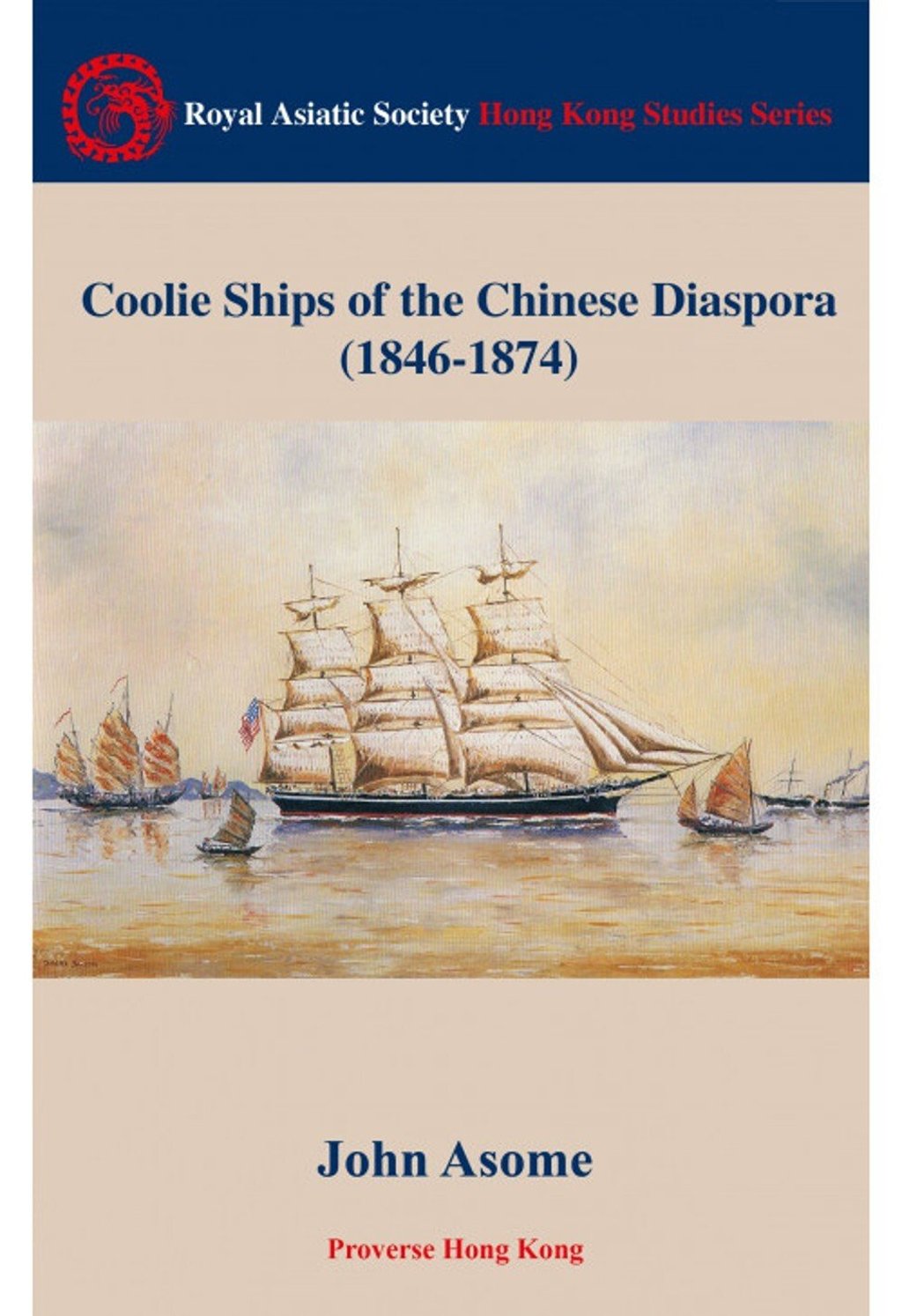
Coolie Ships of the Chinese Diaspora (1846-1874) by John Asome, Proverse Hong Kong
During his career as a shipboard radio operator, Hong Kong-born John Asome discovered Chinese communities in port cities worldwide, which inspired an interest in the Chinese diaspora.
Twenty years of retirement spent poring over the copperplate of 19th century British Colonial Office records, ship’s logs, and trading-house archives has produced Coolie Ships of the Chinese Diaspora (1846-1874) – part catalogue of vessels transporting Chinese labourers, and part mix of Two Years Before the Mast and Mutiny on the Bounty.
Comprehensive information on ship technicalities is considerably enlivened by tragic accounts of kidnapping, torture, flogging, beheading, piracy and shipwreck.
During nearly 30 years, a total of 732 voyages carried 291,484 indentured labourers from Chinese ports mainly to Cuba, Peru and the West Indies. But an average of more than 15 per cent of this human cargo failed to arrive alive. Causes included brutal treatment, inadequate or poor-quality supplies, disease brought on board or as the result of crowded and insanitary conditions, as well as opium deprivation, suicide and fighting.