Dress Codes: law professor Richard Thompson Ford presents a history of why we wear what we wear
- Snubbed for the title of Esquire magazine’s Best Dressed Real Man in America, legal academic Richard Thompson Ford responded with a look at fashion history
- He explores what we wear and how that has evolved in tandem with political control and social change

Dress Codes: How the Laws of Fashion Made History
by Richard Thompson Ford
Simon & Schuster
In 1565, an English servant called Richard Walweyn was arrested for wearing a pair of “very monsterous and outraygeous” hose. In those days, hose were equivalent to trousers; they covered up, but also emphasised, male behinds. Judging by portraits, the ideal was to look as if you were wearing a pair of giant pumpkins. The court, however, ordered that Walweyn’s offending garments be confiscated and put on public display as an example of “extreme” folly.
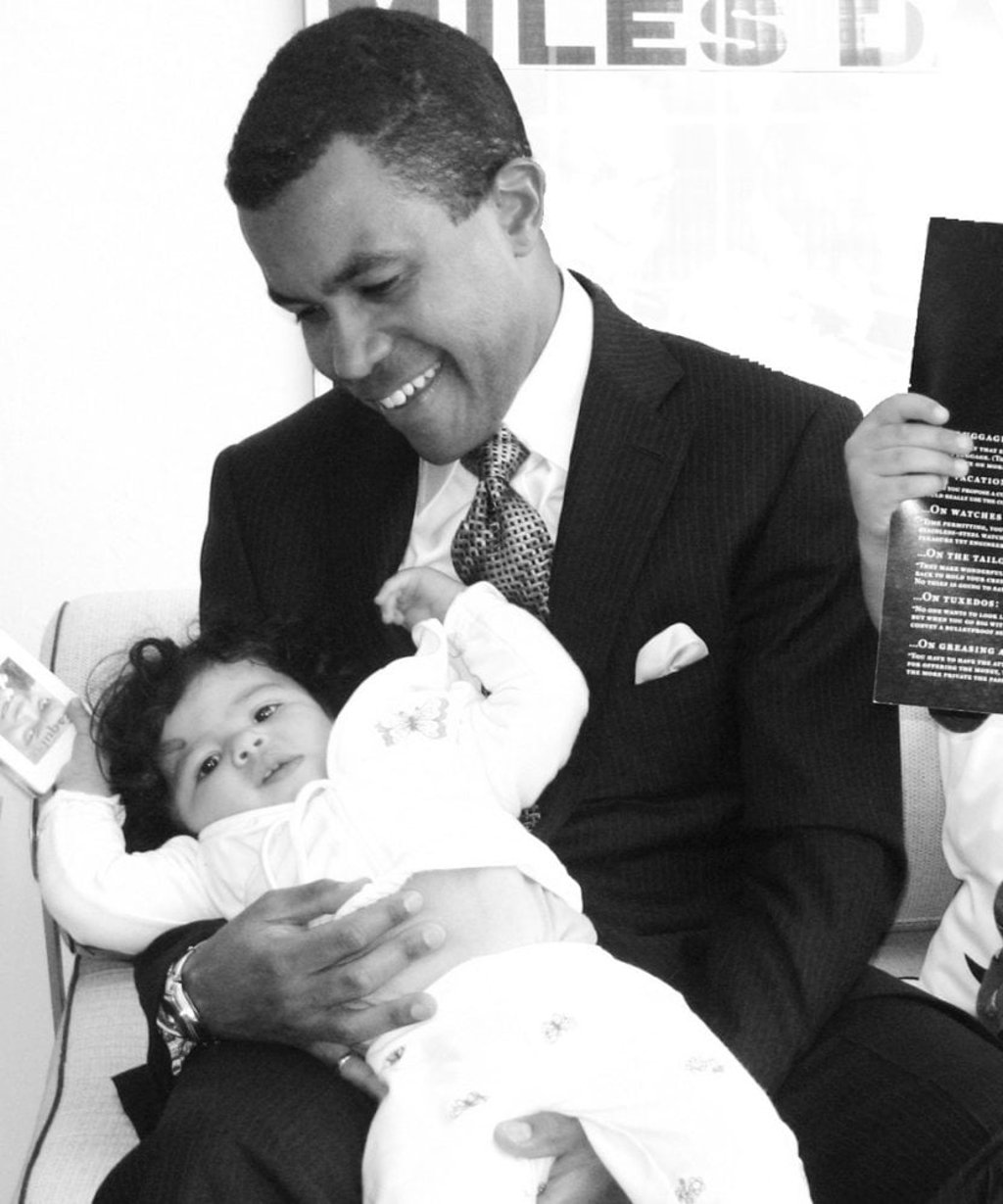
Several centuries later, in 2009, an American legal academic called Richard Thompson Ford decided to enter Esquire magazine’s Best Dressed Real Man contest. His wife, Marlene, took a photograph of him in a favourite blue pinstripe suit with their 10-month-old daughter, Ella, wriggling on his lap. When Esquire rang to interview him about his personal style, Ford was down to the last 10. Afterwards, he was told he hadn’t made it to the final five. He was crushed; although he explained the law for a living, he felt he’d failed to define the significance of why he wore what he did.
He has now combined both interests in a book.
Dress Codes: How the Laws of Fashion Made History is a forensic examination of what we wear and how that has evolved in tandem with political control and social change. The unfortunate Richard Walweyn kicks off proceedings. The point is that Walweyn’s fashion crime wasn’t the cut of his hose; it was that he was a servant. As Ford writes, “He’d disrupted the political order of a society that treated outward appearance as a marker of rank and privilege.”