Sustainable economics and how the idea that policies should consider human happiness changed the life of an entrepreneur
- Peggy Choi, founder and CEO of Lynk, read E.F. Schumacher’s Small is Beautiful: A Study of Economics as if People Mattered when contemplating a career change
- ‘It made me realise there was another version of a world view out there,’ she says

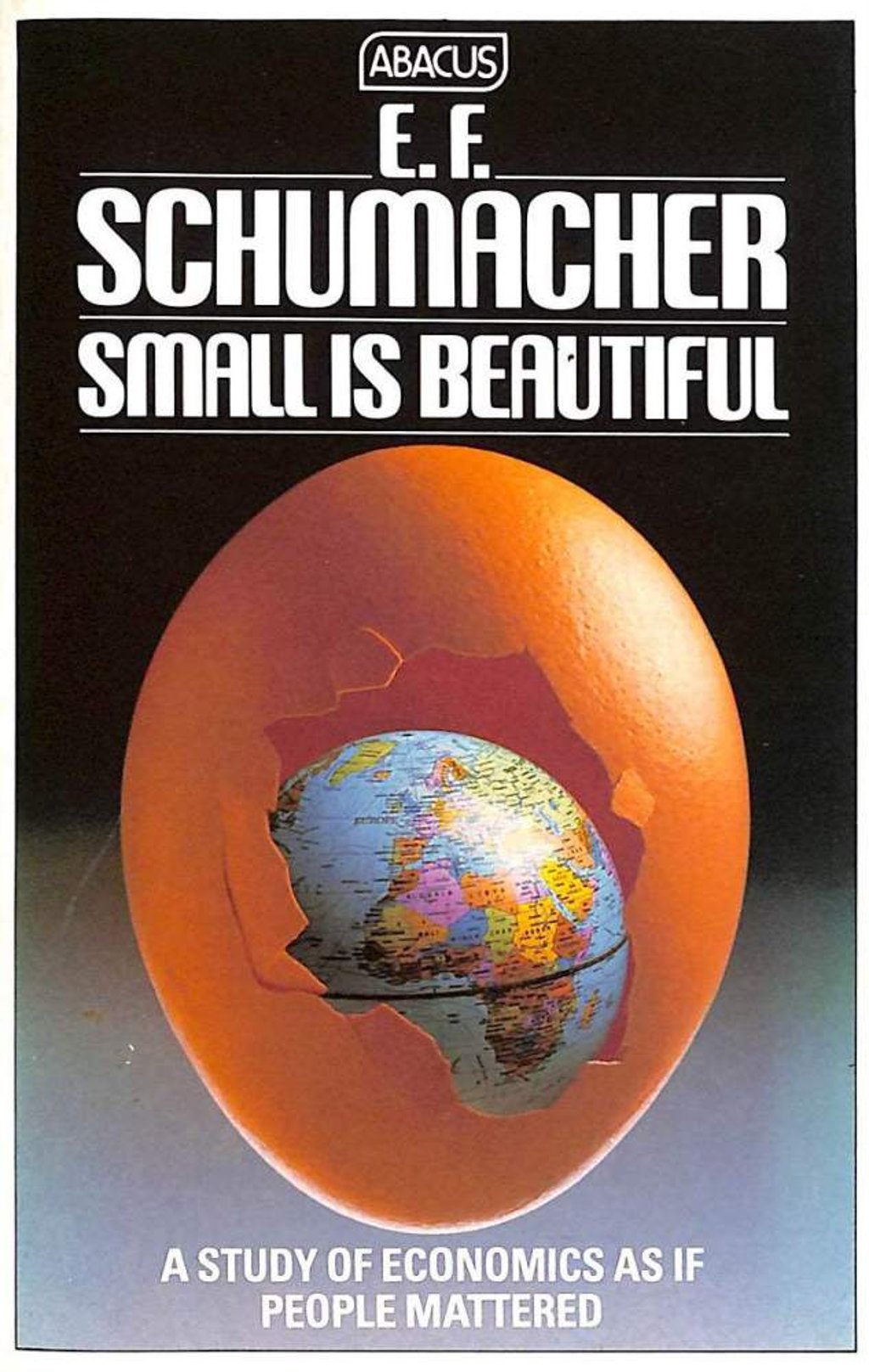
Small is Beautiful: A Study of Economics as if People Mattered (1973), by economist and statistician E.F. Schumacher, popularised the idea of sustainable economics, advocating for policies that serve human development on a human scale, using local resources and putting limits on growth. Peggy Choi, founder and CEO of business knowledge sharing platform Lynk, tells Richard Lord how the book changed her life.
I read it about seven years ago, when I was contemplating a career change. It was before Lynk, when I was working in private equity.
This is the kind of stuff I tend to read. It was recommended by one of my mentors, who’s the kind of person who’s always looking for areas he’s not familiar with and trying to learn about them. Whenever I meet up with him, he raises something I hadn’t thought of.
The book has a refreshing perspective on things that we aren’t really taught. The economic model we are taught is a productivity-centric one – the more we produce, the better. That’s the whole way we think about economics and growth.
This book presents another way of thinking about economics. It argues that you’ve got to think more holistically, and take human satisfaction into account alongside all the other considerations about growth. The book was written in the 1970s, and it shows that some of the conversations we’re starting to have now have actually been there for decades.