What The Parasite taught a Hong Kong professor about giving and taking, and food waste and redistribution
- Reading The Parasite changed how Daisy Tam thought about human interaction and gift giving
- She now runs Hong Kong NGO Breadline, which donates surplus food to those in need

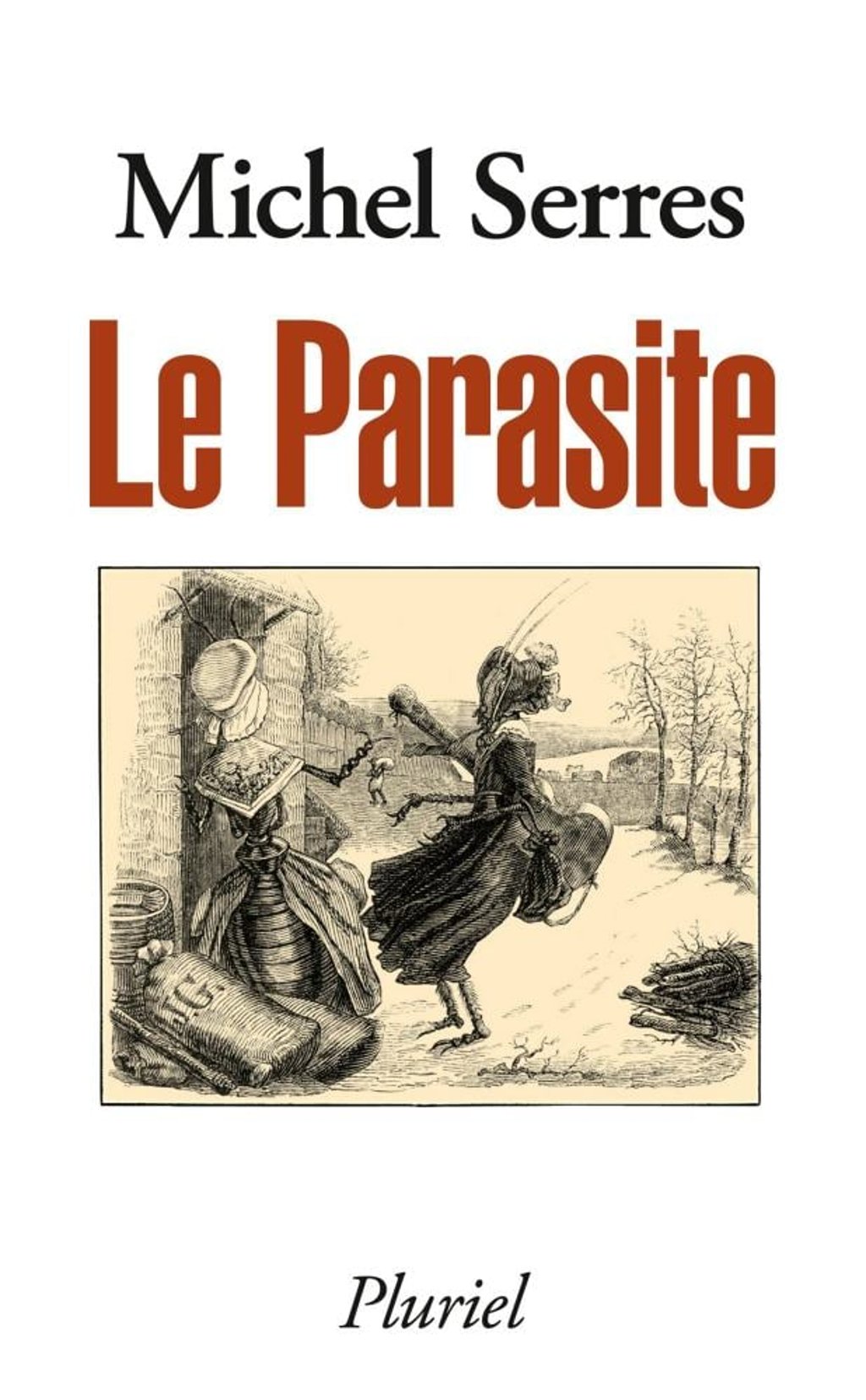
French philosopher Michel Serres’ book The Parasite (1980) attempts to reframe the traditionally negative concept of parasitism as the main, largely productive way in which humans interact with each other.
Daisy Tam Dic-sze, an associate humanities professor at Baptist University who also runs Hong Kong NGO Breadline, which rescues surplus food and distributes it to people in need, tells Richard Lord how it changed her life.
I probably read it for the first time about 10 years ago. The Parasite is interesting because it’s such a commonly hated figure: in biology, but also, by analogy, in society. Michel Serres thinks about it in a different way.
Full disclaimer: I don’t fully understand the book, but I keep going back to it and getting insights. It’s an academic work, but it’s also like a fable.
When I was still doing my PhD (at Goldsmiths, University of London), I worked part time at Borough Market, when it was all locals (the long-standing Central London market has recently been gentrified) selling apples.
I loved the job, not only because it was related to food but because I was able to get some of the traders’ leftovers at the end of the day – as a student, it was kind of my lifeline. Some were very supportive – the food is old but edible, so do what you want – but others said, “You’re just taking this expensive food for free.”