ReviewHow China’s indie filmmakers struggle to bring the stories – and languages – of rural China to the big screen
- China’s Millennial Digital Generation looks beyond blockbusters like The Battle at Lake Changjin to focus on independent filmmakers and the barriers they face
- The book is a fascinating portrait of an evolving market, and gives these filmmakers a level of exposure that has eluded many of them at home

China’s Millennial Digital Generation: Conversations with Balinghou (Post-1980s) Indie Filmmakers by Karen Ma, pub. Long River Press
Despite the pandemic, which impacted film productions and closed cinemas across the globe, China has overtaken the United States to become the world’s largest film market. In 2021, China clocked up 47 billion yuan (US$7 billion) in box office revenue, the vast majority from domestic blockbusters.
Films such as The Battle at Lake Changjin, Hi, Mom! and the Detective Chinatown franchise have been hugely successful at the domestic box office, with hopes of expansion to 100,000 screens nationwide by 2025. But the industry in China has more to offer than nationalistic war epics and star-powered comedy vehicles.
A book by US-based film scholar Karen Ma throws light on the opposite end of the cinema spectrum: micro-budgeted independent features that are often a battle just to get made, let alone secure the necessary permissions for to make it onto the screen.
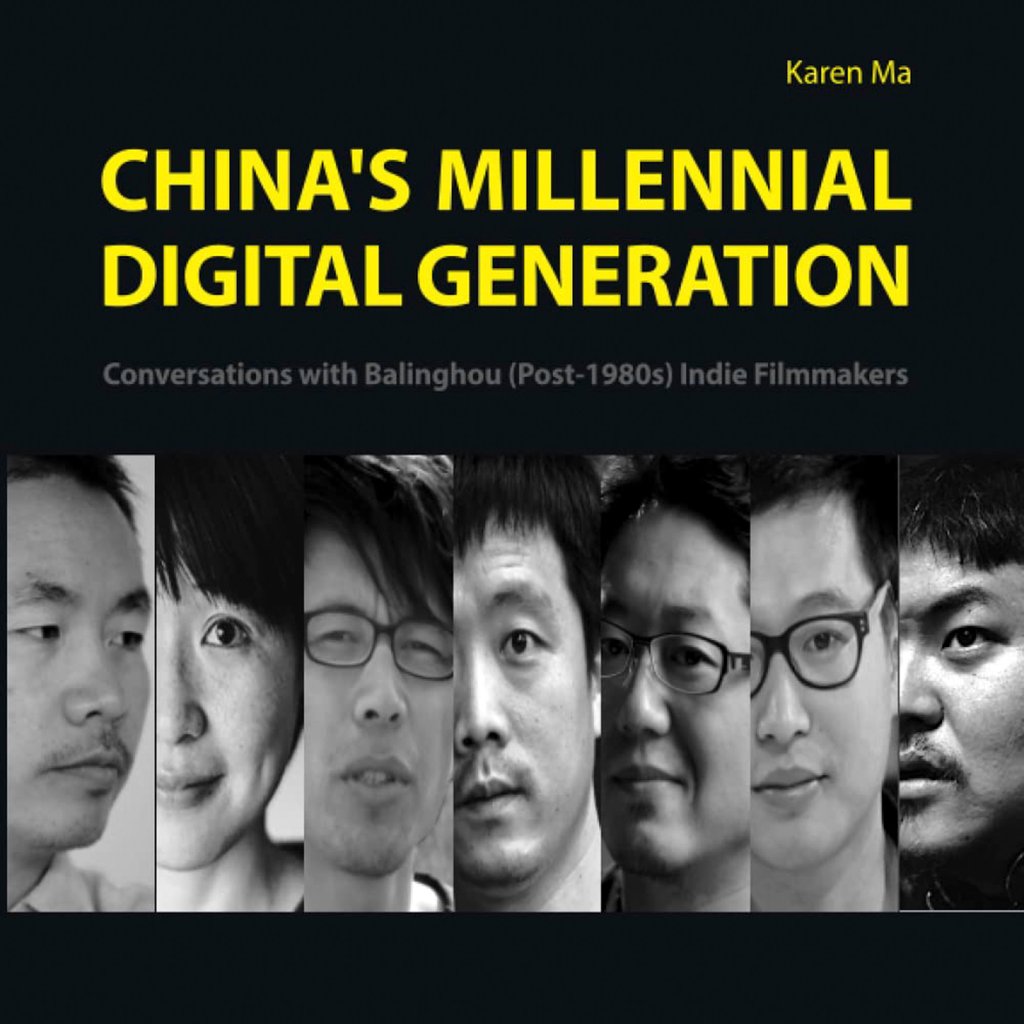
China’s Millennial Digital Generation: Conversations with Balinghou (Post-1980s) Indie Filmmakers champions a generation of young, idealistic auteurs struggling to be heard in a marketplace dictated by stringent censorship laws and tough commercial demands.