Hong Kong furniture maker blends Chinese technique with Danish design
William Chiang, the founder of Elmood, comes from a family of antique Chinese furniture restorers. Having found inspiration in Danish design, he explains how his products combine the best of both worlds

Where did you learn carpentry? “My family was in the business of restoring traditional Chinese furniture. We specialised in everyday household pieces from the Qing dynasty. Growing up, we learned how to restore antique wooden furniture. Typically, furniture joints loosen up over time, so we learned how to dismantle them before putting them back together. This knowledge serves me today for Elmood’s solid wood pieces.”
Why did you start Elmood and what’s behind the name? “After the 2000s, the antiques business changed - sourcing of domestic antiques became more difficult - so we were looking for another revenue stream while at the same time making use of our knowledge of wood. The major wood type used for furniture in China was elm. When I was trying to come up with a name last year, elm came to mind and I put ‘mood’ to it.”
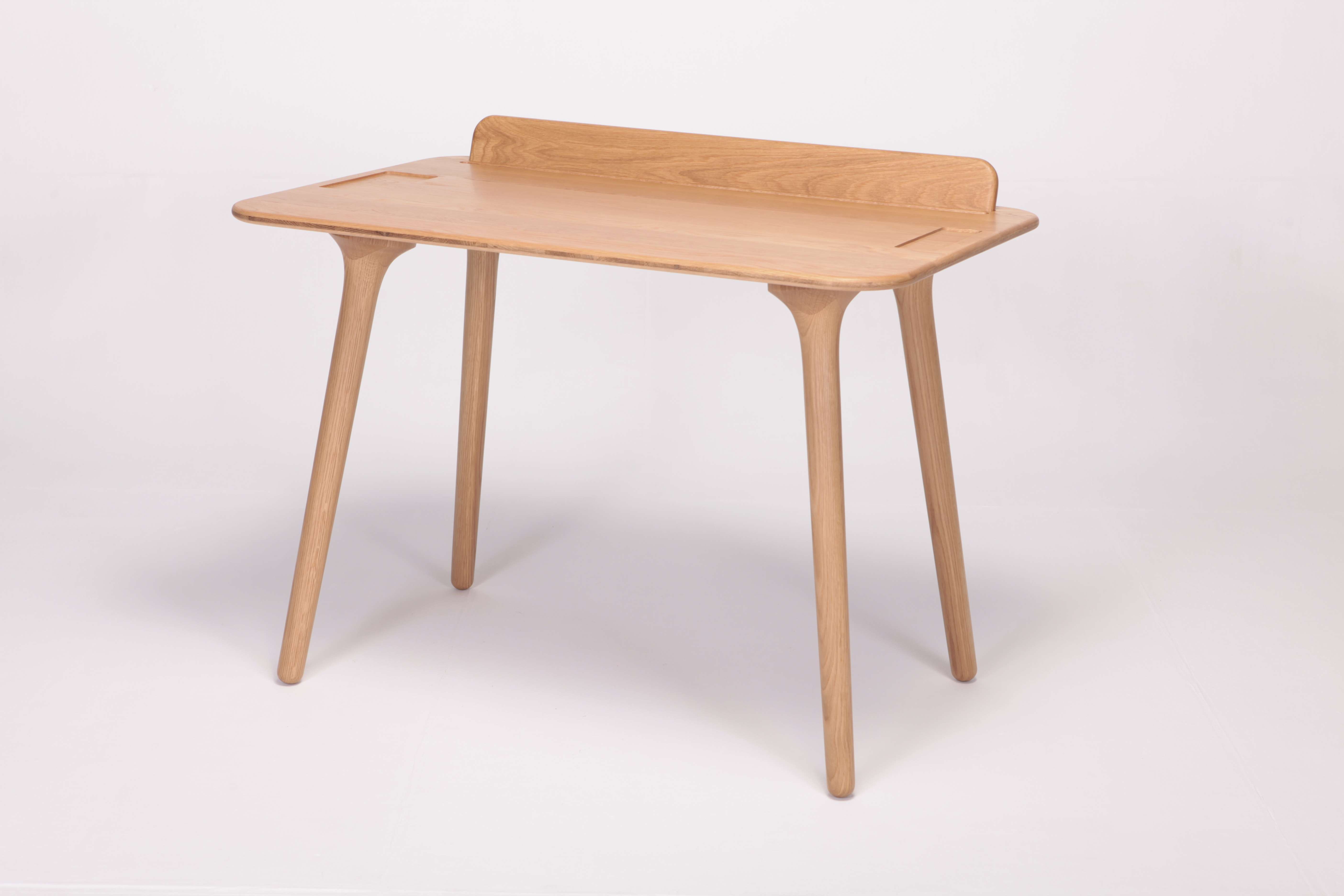
Are all of Elmood’s pieces made using traditional techniques? “No, we don’t box ourselves in by just using the traditional joinery system. We use different skills and techniques to create many shapes; by keeping an open mind, our design vocabulary can be more varied. One example is cross-laminated timber, which is seldom used in furniture production. While it’s tricky to manage the moisture and thickness levels, it’s also very lightweight and strong.”
What influences Elmood’s designs? “The brand is very much inspired by Scandinavian furniture, especially that from Denmark. Many years ago, I became good friends with a Danish customer, who I had the opportunity to visit in his home country. This is how I was introduced to this new style. Danish furniture is a lot more ‘human’. One of the major comments we used to get when selling Chinese furniture was that the style and craftsmanship were beautiful, but it was not very comfortable. Danish furniture is more user-friendly.”