Language MattersHow the word ‘suffragette’ came about – and it’s not from ‘suffering’
- First used by the Daily Mail to denigrate the votes for women movement, suffragettes then adopted the word
- This theme of the 2021 International Women’s Day is #ChooseToChallenge, just as those brave souls did a century ago

March 8 is International Women’s Day, which, among other things, marks a call to advocate for suffrage for women. The origins of “suffrage”, contrary to folk etymology, are unrelated to “suffering”, despite an association with such experiences of certain groups before attaining any rights.
Its ancestor, the Latin “suffrāgium”, means a vote cast in an assembly, an expression of approval, action or right of voting, or a decision reached by voting, favourable influence, help – which in post-classical Latin extended to prayer and intercession. The earlier, 14th century adoption of the word into Middle English occurred via the Middle French suffrage/soufrage, which had developed the sense of petition, prayer and intercession, especially for souls of the dead. Such meanings in English, common then, are now rare, historical or obsolete.
The current senses of “suffrage” were borrowed later, in the 16th century, this time directly from classical Latin, encompassing meanings related to voting, particularly regarding the right or privilege to do so – for example, commonly associated with 19th and early 20th century voting rights movements in the West.
The earliest recorded use of “suffrage” preceded by a modifier – to define a population to whom the right to vote may be extended – was “universal suffrage”, found, for example, in Daniel Defoe’s 1706 Jure Divino. Others abound, including “black suffrage”, “working-class suffrage”, “native suffrage”, “prisoner suffrage” – with perhaps the most widespread collocation being “women’s suffrage”.
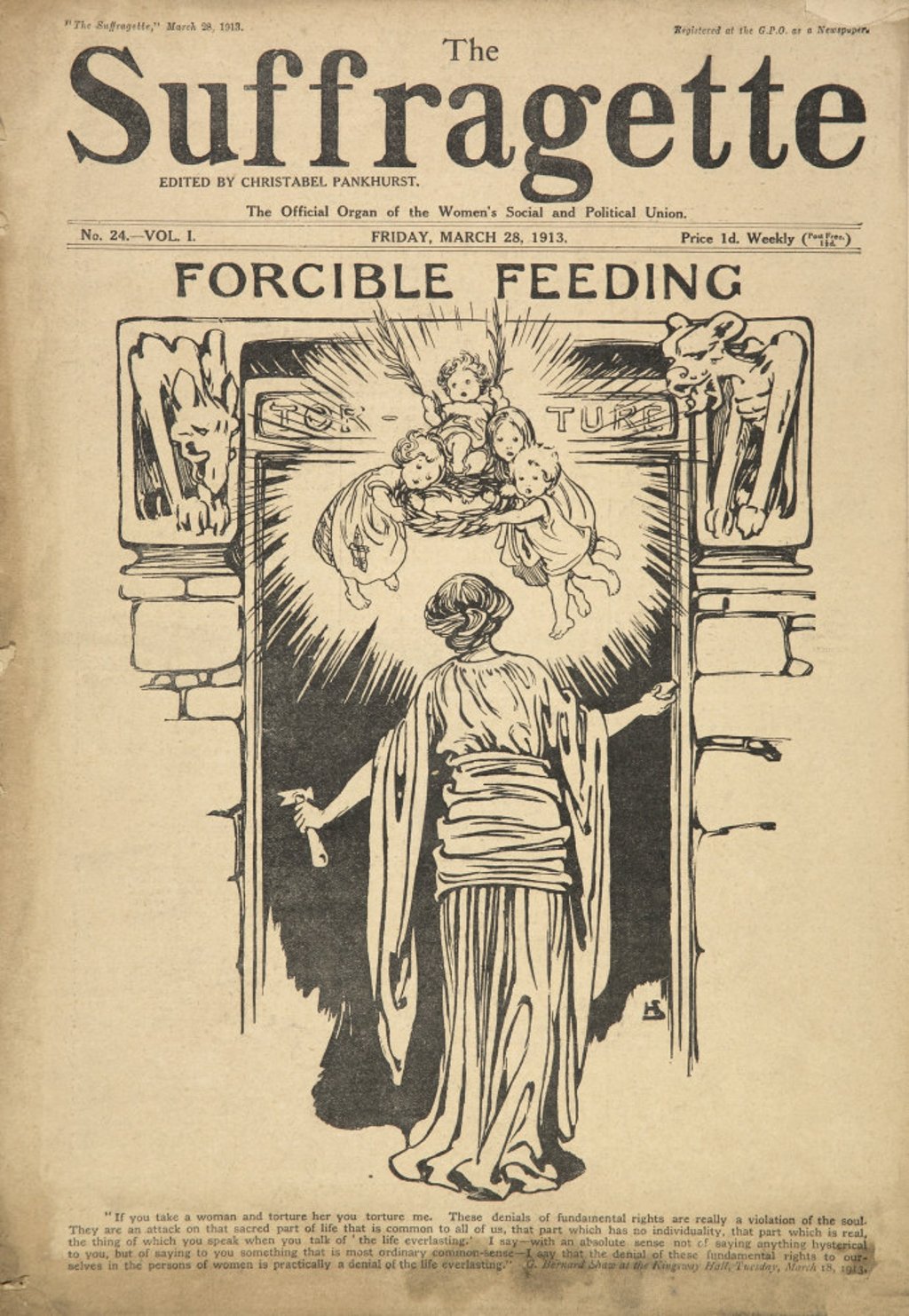
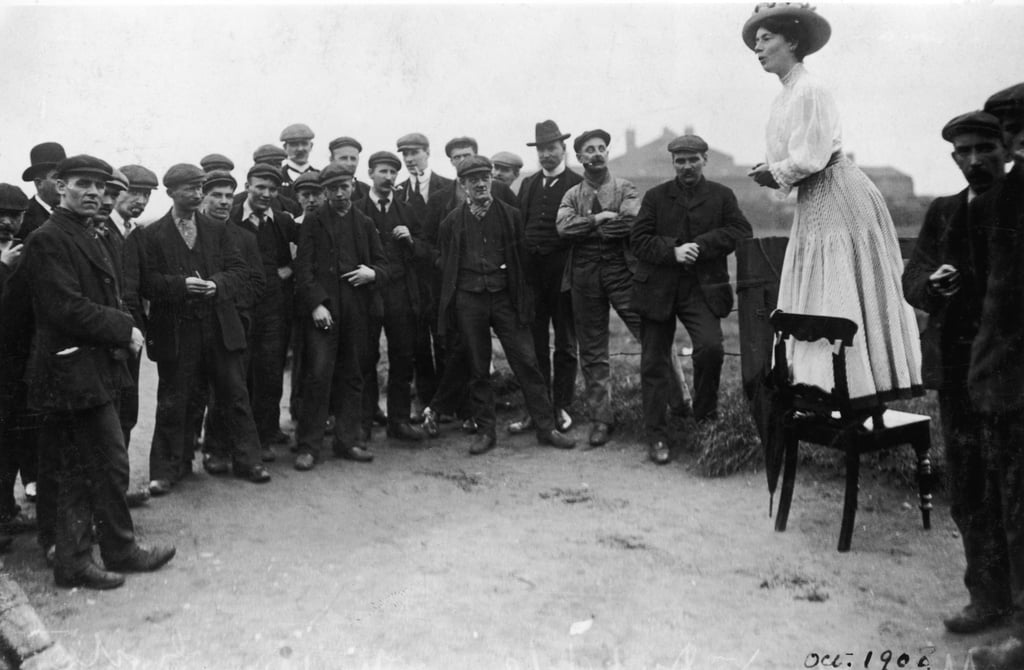
In this context, the word saw a further modification: the addition of -ette, the French feminine diminutive suffix, denoting small or brief examples (e.g. kitchenette), imitations (e.g. leatherette) or females linked with the role of the first element (e.g. usherette). The term “suffragette” was first employed by British newspaper the Daily Mail in 1906 for the Women’s Social and Political Union – founded by Emmeline Pankhurst in 1903 as a breakaway group from the National Union of Women’s Suffrage Societies, which adopted militant action as a means of securing the vote for women – distinguishing them from the non-militant, more established suffragists.