‘The winery was my playground’: German winemaker Nik Weis, of St Urbans-Hof
The third-generation winemaker of St Urbans-Hof, whowas in Hong Kong to host a wine dinner at Nobu, talks about drinking young and how going against the flow pays off

Who started the winery? “My family has been making wine for more than 200 years, but we cannot properly trace it back because there are no family records. In the early 1800s, when Napoleon conquered [the land] around the Rhine, the church records were destroyed. But my ancestors lived there before and they did agriculture in the flat lands, viticulture in the steep lands and shoemaking. During the second world war, the vineyards were abandoned but, afterwards, viticulture started to boom so my grandfather, who had had a vineyard and was a shoemaker, set up a nursery for vines. Before the war, nurseries were run by the government, to prevent phylloxera, but after, private companies could sell vines. During this time, my family’s winery was in the middle of [Leiwen] town, near the church. We needed more space, so my grandfather sold his property to his sister and moved up to the nearby hillside, where he built his own cellar and nursery and named it after the patron saint of winemakers, St Urban.”
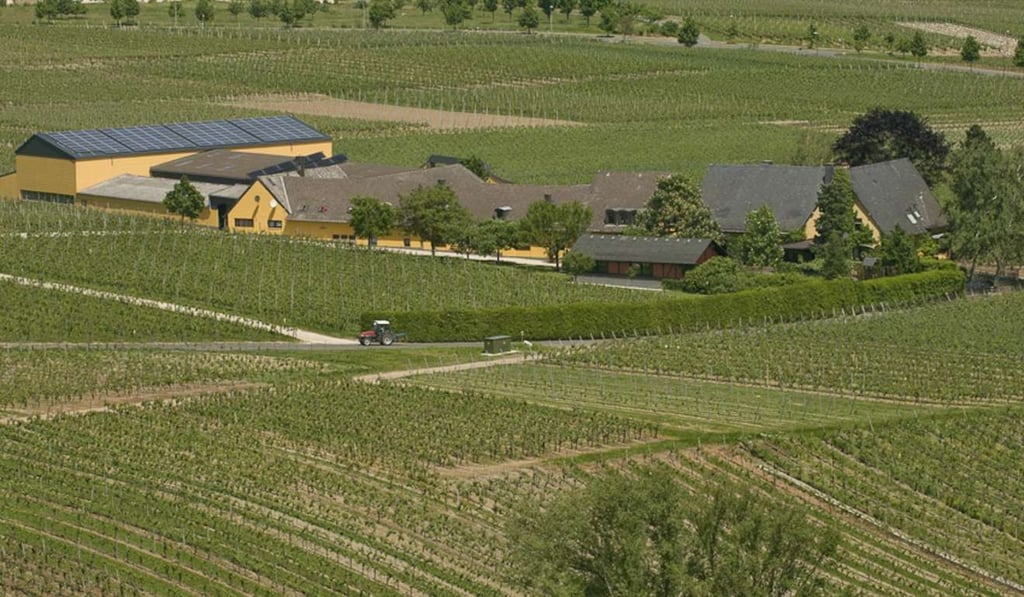
Was it a success? “With the money my grandfather made from the nursery, he bought more land. He was also involved in politics, working for the Christian Democratic Party, and was elected to the provincial parliament. His nursery helped build the viticulture industry, helping others make a good living. In the 1980s, my father took advantage of top vineyard sites for sale and laid the groundwork for me to produce premium wines.”
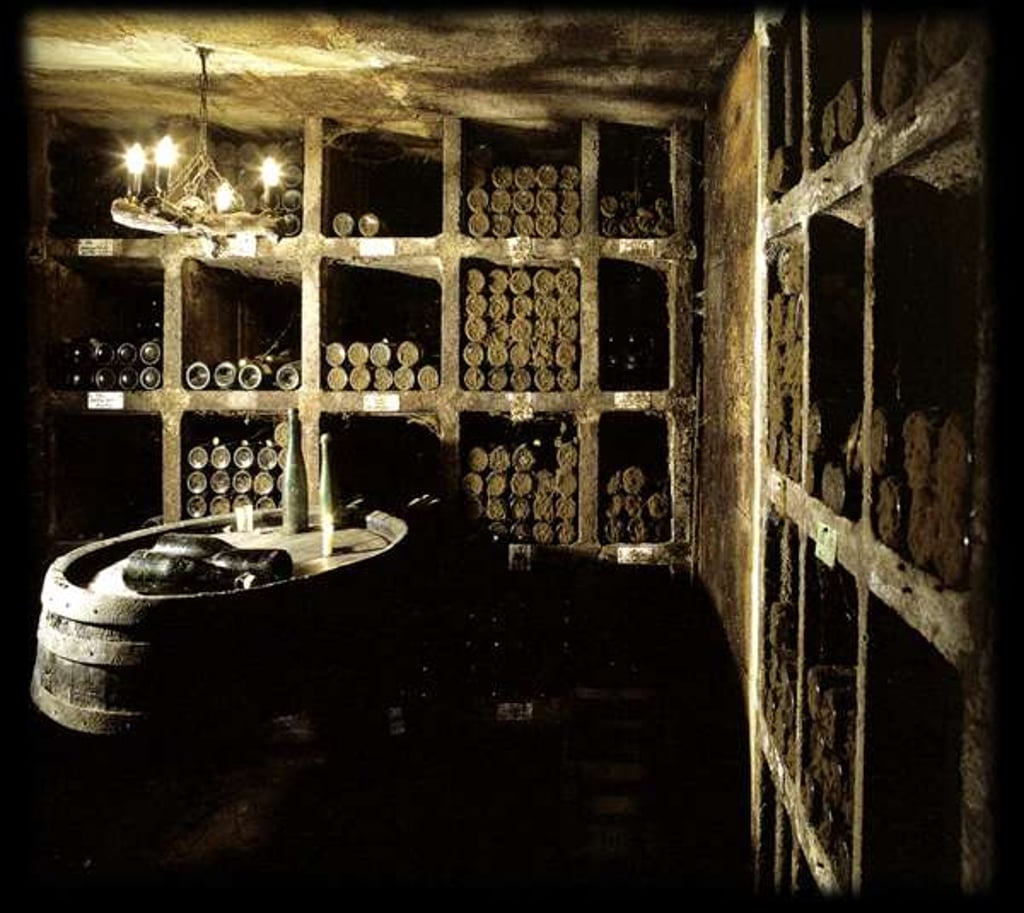
When did you take over the business? “In 1997, my father had a heart attack, which he survived, but he stepped back from the business. I was 26 at the time. He is my closest friend. He lets me do what I wantand is very tolerant. It’s important to have the chance to try things out as a winemaker and learn by doing. I took over completely in 2003. I was in charge of the winemaking and the viticulture philosophy from the beginning. My father made good rieslings for that time and they had good ratings, but he didn’t sell his wines outside of Germany. I changed that. In Germany at the time, people felt wines with residual sugar was something politically incorrect, and explicitly looked for dry wines called trocken. Everything had to be dry – but that’s not [right for] Mosel wines. It’s like telling people in Porto that they are not allowed to fortify wines, or going to Sauternes and saying you don’t like dessert wines. And in those days, I felt that if the wines made the way I wanted to make them – with some residual sweetness – were not appreciated in my country then I needed to go somewhere else. That’s how I started to build an export market.”