Advertisement
Grapes meet slate in powerful, rich, complex Mosel rieslings
What did the Romans ever do for us? Well, for one, they introduced vines to the vertiginous Mosel Valley, preparing the ground for powerful rieslings
2-MIN READ2-MIN

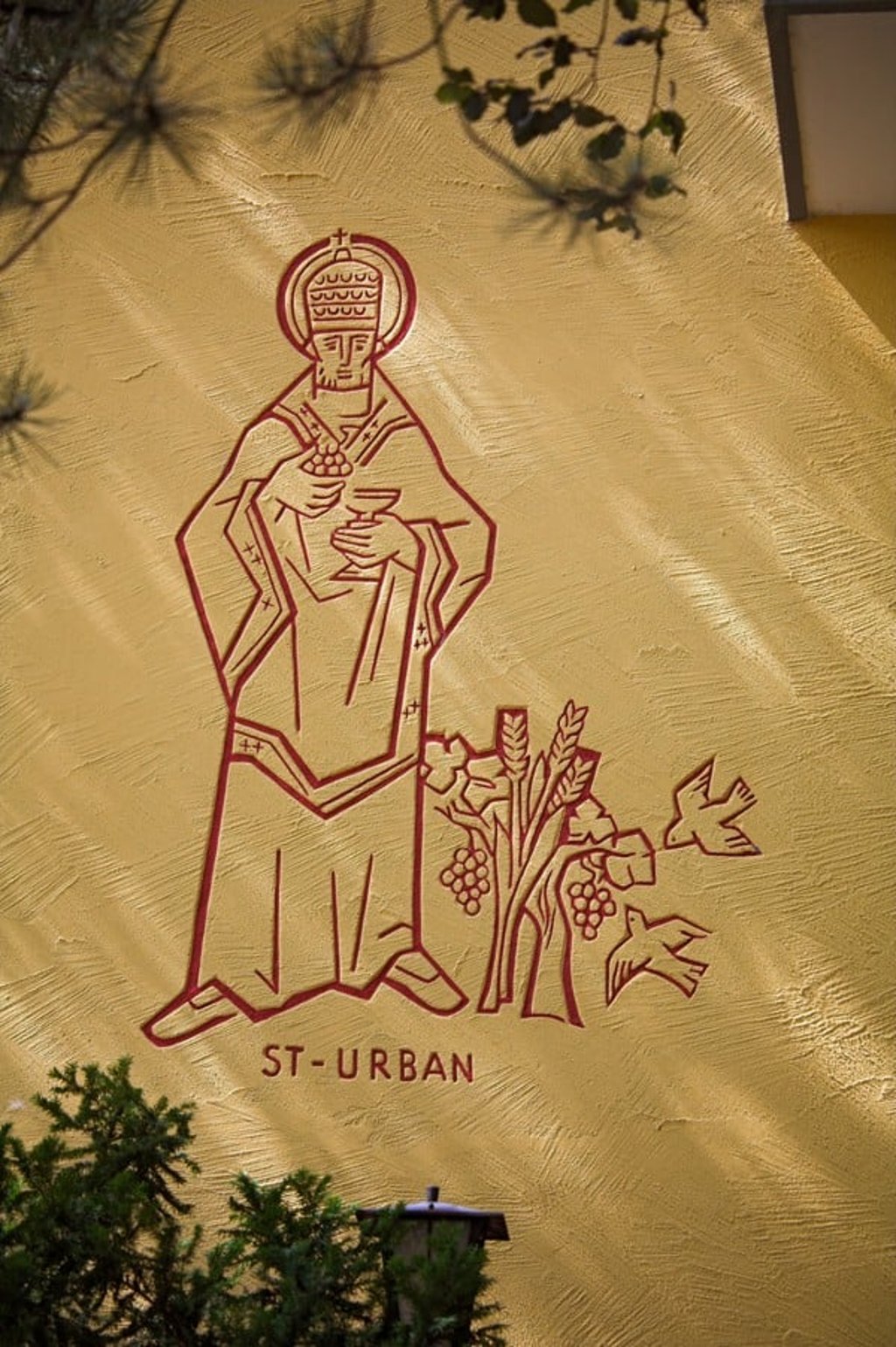
When it comes to Mosel riesling, third-generation winemaker Nik Weis, of German winery St Urbans-Hof, says the grape variety plays second fiddle.
“I do not make riesling,” he says. “I am making Mosel. Riesling is but the vehicle.”
Weis’ vineyards cling precariously to the steep slopes of the Mosel Valley, in the west of Germany. The region’s slate soils are rich in calcium and potassium, which, he says, add a savoury element to the wine.
Advertisement
Advertisement
Weis argues that the most important work takes place in the vineyard; in the cellar, he says, “You only lose quality.”
Advertisement
Select Voice
Select Speed
1.00x