Chef William Wongso on why you cannot rush good bread and the culinary wonders of Indonesia
Having regaled the Asia Society Hong Kong, highlighting the cuisine of his homeland, the baker talks about the importance of taste. His Flavors of Indonesia was named best book of the year at the 2017 Gourmand World Cookbook Awards

When did you become interested in baking? “My father was from Shanghai and, in 1943, he went to Indonesia as a field cameraman during the war. Two years later, he was the official photographer for Sukarno, Indonesia’s first president. My father, who also worked in Hong Kong, had a cosmopolitan palate. When we were young, we were taught to taste everything.
“I was not academically inclined and dropped out of high school, working in many different jobs: printer, travel agent, radio broadcasting, advertising, television commercials. At the age of 30, I learned baking and started a bakery. I trained in Japan and Europe, and followed my dad’s advice to taste, taste, taste. When I learned baking in Germany, I arrived one week before classes started and tasted all the bread and pastries – good, bad, artisanal and commercial. I learned faster that way than through baking techniques.”
What kind of bread do you prefer? “I love German country bread. They have the most variety when it comes to rye bread. For sourdough, I like the French pain de campagne and traditional dark bread. I was a baker from 1977 to 90. I still love to touch the dough, to wait for it to rise. You cannot rush good bread. It is a combination of patience, passion and time. Ninety-five per cent of bread made these days is industrial. I can tell by looking at bread if it’s good or not.”
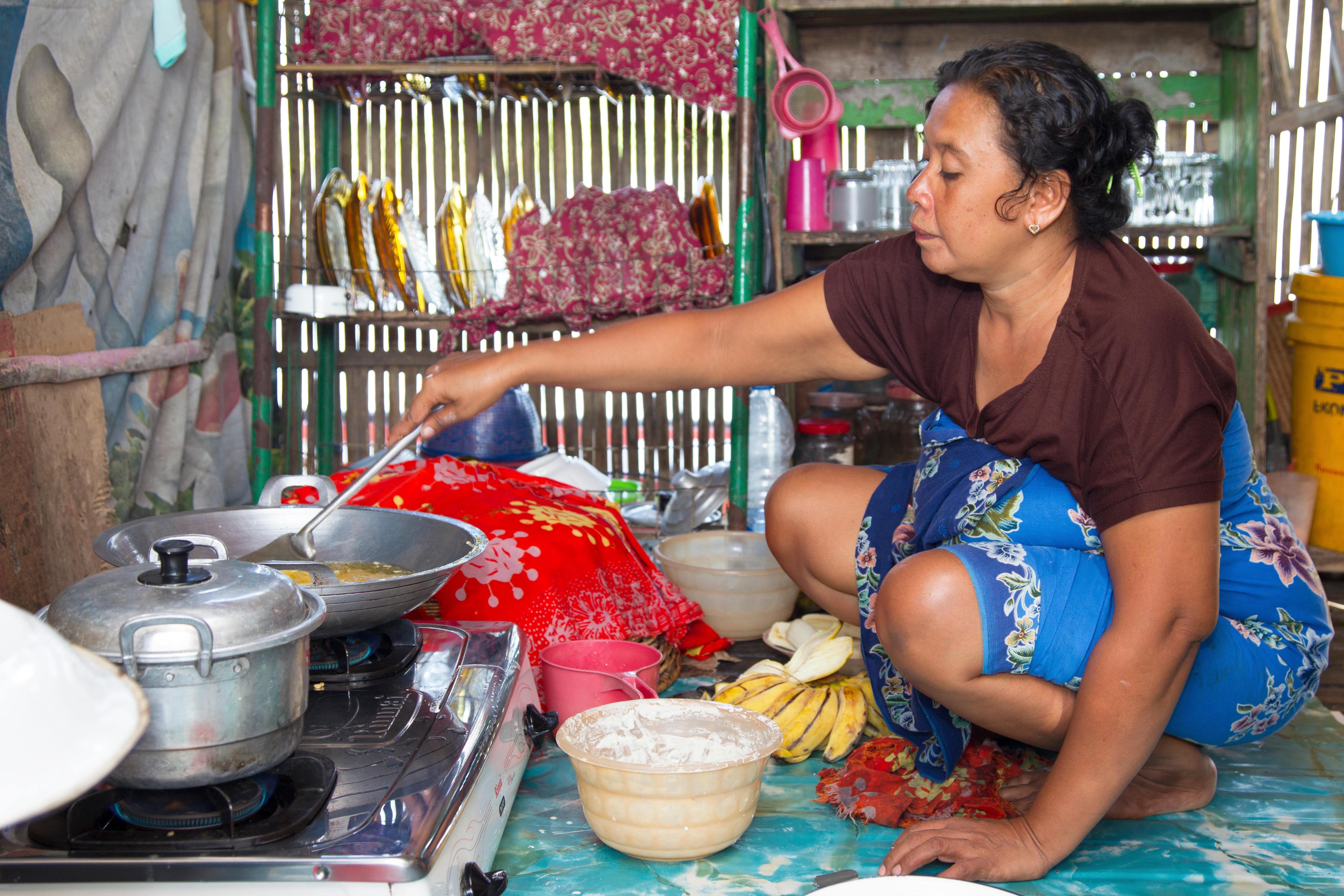
What made you focus on Indonesian cuisine? “After 20 years of travelling, learning Japanese, Chinese, French and Italian cuisines, I realised I’m Indonesian and should learn more about Indonesian cuisine. I went to the villages to see how they cooked but, most importantly, to taste; they never cook using a recipe, but through taste you can estimate [the results]. Then I practised replicating the dishes using Western cooking equipment. I always advise the younger generation that if they want to learn cooking, they have to spend time tasting. These days, everyone can google, but you cannot google taste – they have to experience that themselves, and that costs money.”
After 20 years of travelling, learning Japanese, Chinese, French and Italian cuisines, I realised I’m Indonesian and should learn more about Indonesian cuisine