Why cabernet sauvignon is popular the world over
Whether in Bordeaux, Australia, California or South America, the varietal’s flavour profile varies dramatically with where its grown

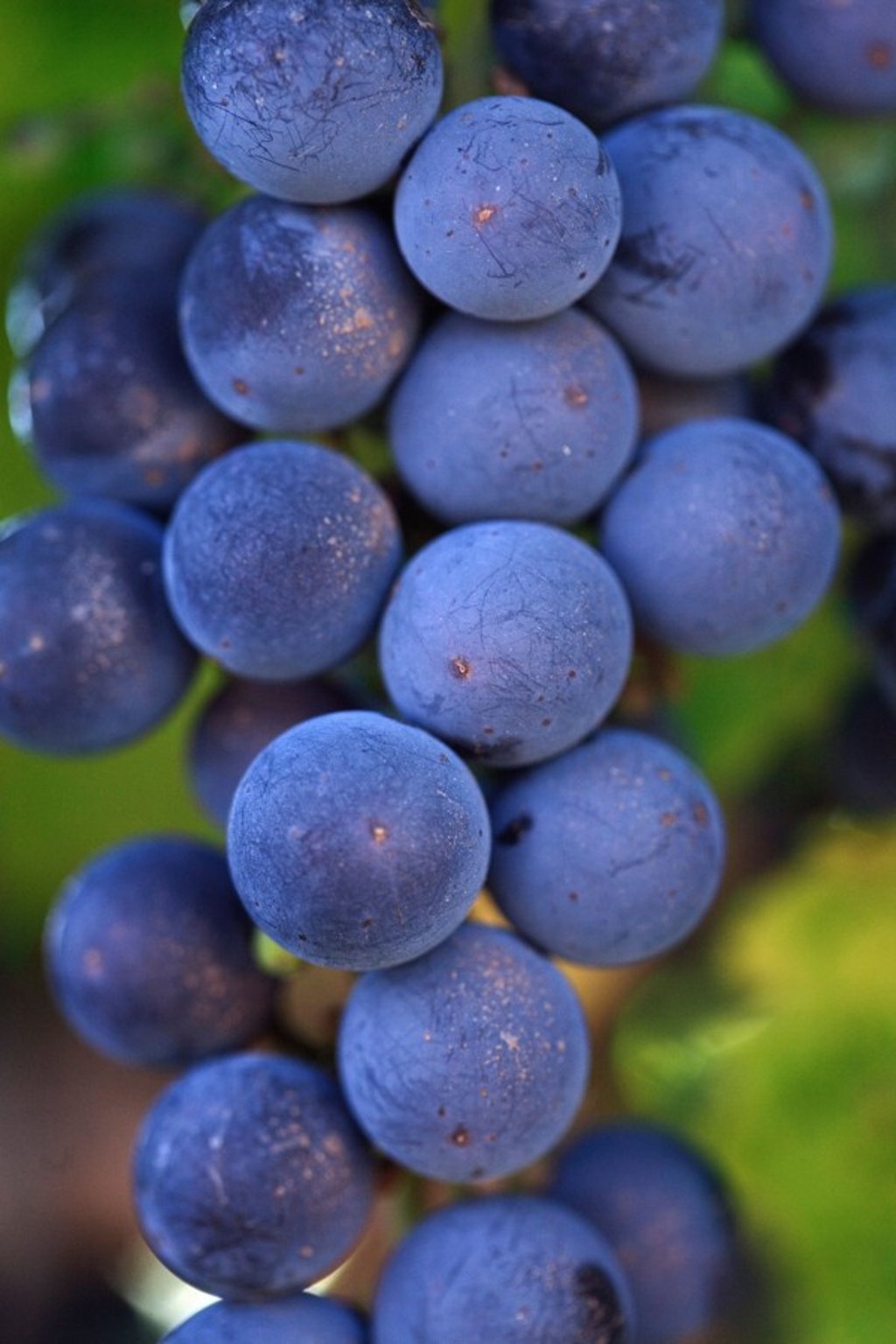
Cabernet sauvignon is the red wine equivalent of the little black dress. It’s a grape that is in the repertoire of many winemakers around the world as its thick skin makes it sturdy enough to stand up to inclement weather and pesky bugs, and it has a distinctive aroma and flavour depending on the climate and soil it is grown in.
Surprisingly, it is the happy result of two unlikely grapes – one white and one red – being combined in the early 1800s by an unknown breeder who pollinated sauvignon blanc with cabernet franc. Today we enjoy the fruits of his curiosity.
In New Zealand, it shines in Hawke’s Bay – particularly in a little place called Gimblett Gravels (Esk Valley Estate was one of the first in the country to win accolades for its wines ).
Australia has found a home for the grape in Margaret River (look for biodynamic Cullen Wines ) and in Coonawarra (try Rymill Coonawarra, one of Australia’s historical wineries).
Chile pays homage to this wonderful grape, too, producing several collectable, iconic wines: Casa Real, from Santa Rita, Sena, by Eduardo Chadwick, and Clos Apalta, by Casa Lapostolle, to name a few.