-
Advertisement
PostMag
Life.Culture.Discovery.
Food and Drinks
PostMagFood & Drink

Dessert and wine pairings: book reveals some exotic combinations

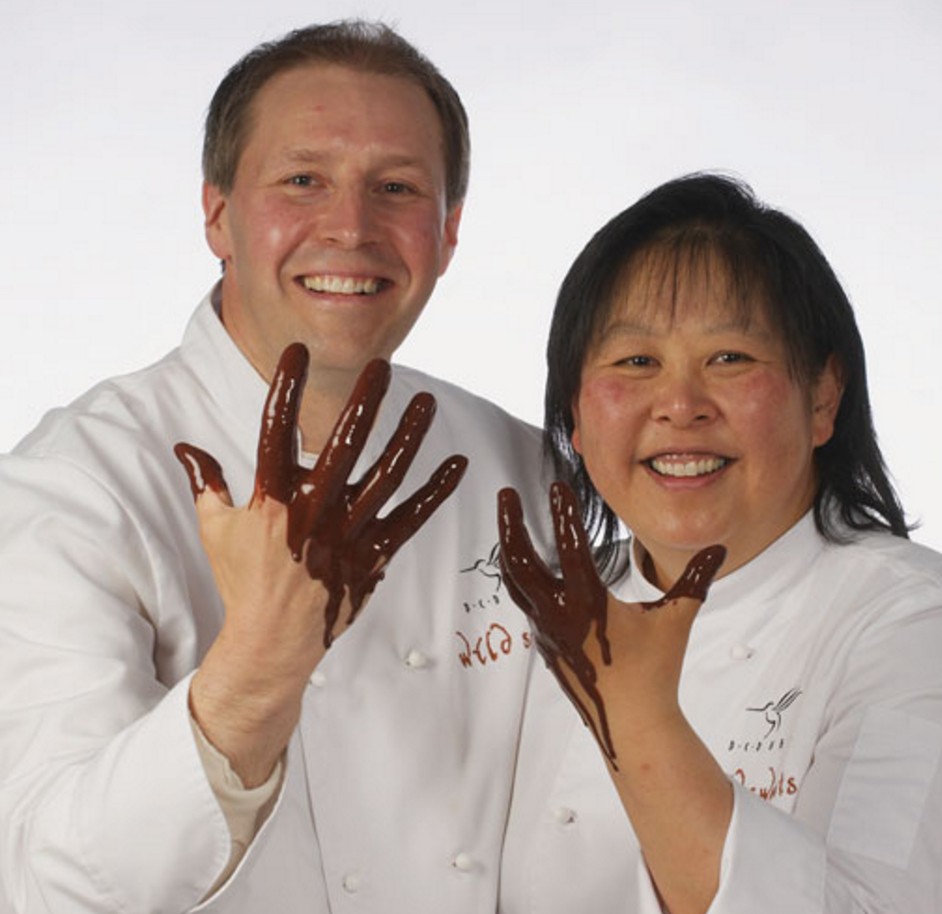
Vancouver-based couple Dominique and Cindy Duby, of the Wild Sweets online store, suggest opting for sweet wines

Reading Time:2 minutes
Why you can trust SCMP
A recipe for poblano-caramel parfait with fireweed honey-roasted tomatoes and chili matches from the book Wild Sweets: Exotic Desserts and Wine Pairings, by Cindy and Dominique Duby.
Susan Jung

You probably haven’t heard of Dominique and Cindy Duby, but in the introduction to their book, Wild Sweets: Exotic Desserts and Wine Pairings (2003), legendary American chef Charlie Trotter compares the Vancouver-based husband-and-wife team to some of the greatest modern pastry chefs.
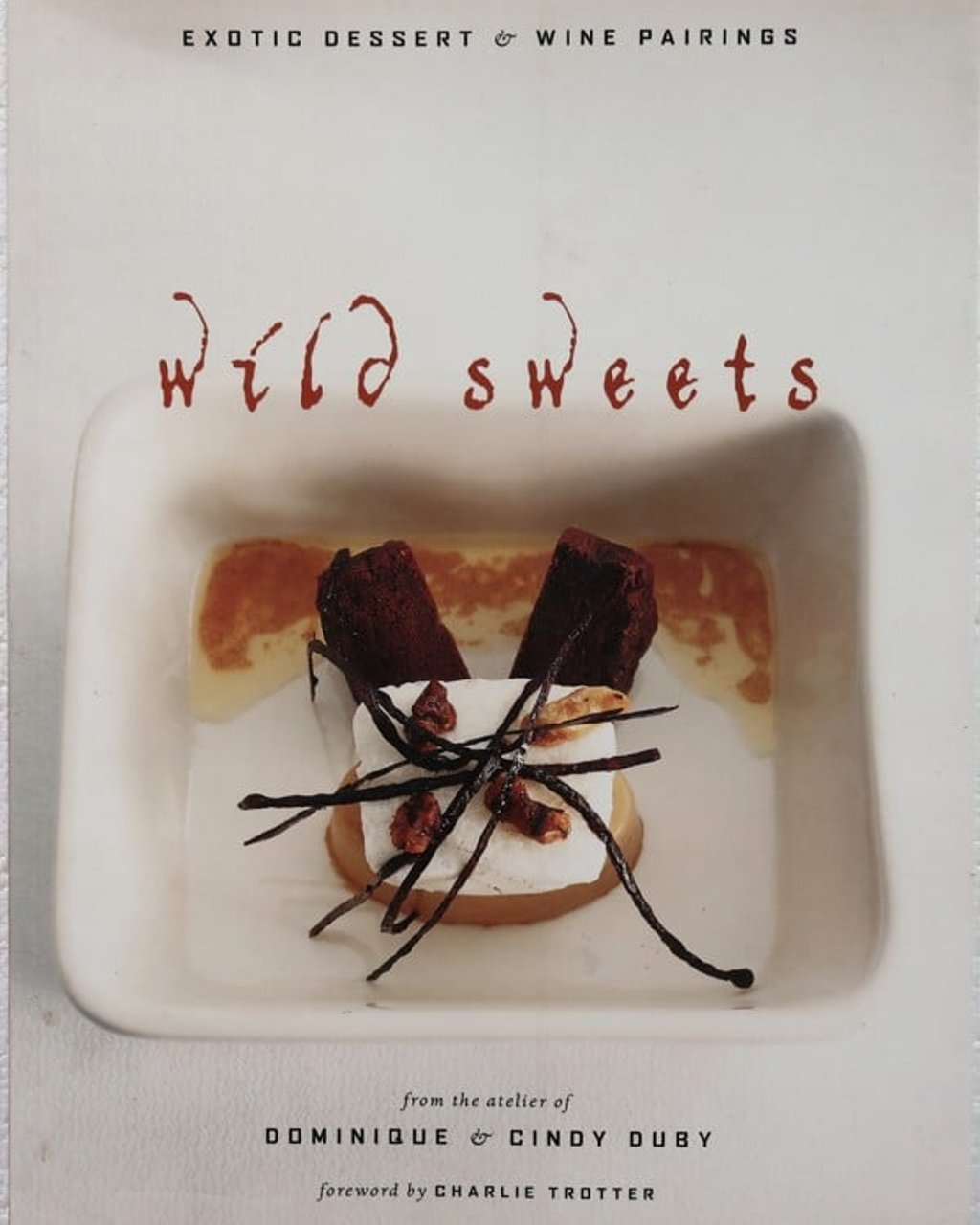
“When I think of the giants of the pastry world – the magicians, the artists – I think of Pierre Hermé, Albert Adrià and Jacques Torres, to name a few […] With their extra­ordinary work and ideas on electrifying display in Wild Sweets: Exotic Desserts and Wine Pairings, Dominique and Cindy Duby have earned a place at this elite table. This […] book completely challenges the traditional approach to what is generally regarded as the conclusion of the meal: dessert! It is as though the Dubys have gone off into the wilderness, meditated on their craft, contemplated all technique, philosophized on ingredients, and returned with an original and coherent vision of what is possible.”

High praise, indeed!

Advertisement
The Dubys are the pastry chefs, choco­latiers and owners behind Vancouver-based online shop Wild Sweets (dcduby.com).

In the book’s intro­duction, they write, “We believe that food preparation is 60% ingredients and 40% technique; that is, the success of a dessert relies in large part on the quality of its ingredients. Prepare your desserts with the purest and finest foods at their seasonal peaks – including as many wild foods as possible – and you are already two-thirds of your way to success. The rest depends on techniques, tricks and, most importantly, chemistry […] Pastry-making and chemistry are identical: they are both based on time and temper­ature. The basic premise is that foods exposed to heat for a certain amount of time change from a raw state to a cooked one. If you understand the stages of the process and the potential pitfalls, you can anticipate and/or prevent failure.”
Advertisement
Advertisement
Select Voice
Choose your listening speed
Get through articles 2x faster
1.25x
250 WPM
Slow
Average
Fast
1.25x