A New York sommelier reveals why he quit music when he discovered sake
For Seju Yang, the Osaka-born sommelier at Brushstroke, in New York,
composing a wine list is like writing music

How did you end up in New York? “When I was 19 years old I went to Boston to study music composition at Berklee College of Music. After a year I got bored with the city because I wasn’t old enough to go to bars [the drinking age in the United States is 21]. When I was in high school I worked in restaurants and I loved doing service, so that passion was something I didn’t want to forget even though I was studying music. A year later [in 2004] I moved to New York to continue my studies, and I started working at Sakagura restaurant, which has one of the largest sake bars in the world – it has 250 sakes by the glass.”
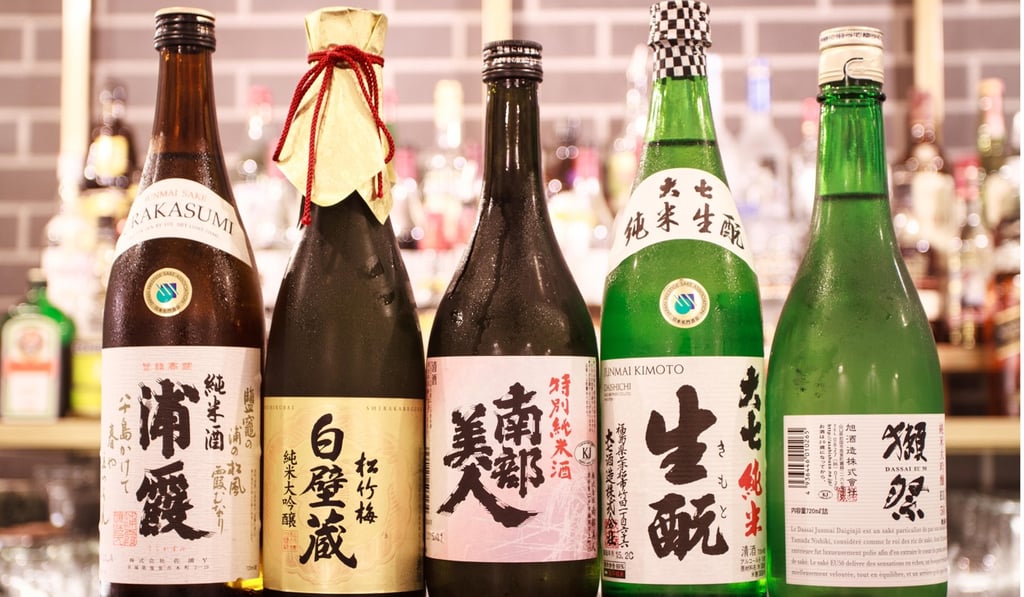
Did you know much about sake then? “I didn’t know anything about it. I had turned 21 and quickly fell in love with sake when I started working at Sakagura. Every day, I went to work two hours before my shift and tasted sakes. I also didn’t know anything about wine although I liked drinking it. When I tried to explain sake to New Yorkers, I couldn’t communicate well, not because of my English but because I didn’t know about wines and didn’t have much to say. So I started studying wine and, once I fall in love with something, I go deep, so I studied it intensely.”
When I make a big wine list, I try to make it like perfectly edited scores of music – big symphonies with many details and well thought out music
At Brushstroke, how do you help guests choose the right sake? “I ask customers what kind of wine they like. If they like a fruitier sauvignon blanc or riesling, then there is a good chance they’ll like ginjo or daiginjo. But if they like full-bodied reds or aged reds, then maybe they’ll like junmai or yamahai sake. Understanding wine had a big impact on my ability to sell sake.”
How do you pair food with sake? “Sake pairing is easy but because it is easy, it is very, very difficult. Sake is a versatile drink to pair with, but the sweet spot is very narrow; wine is the opposite. For me, riesling doesn’t work with every kind of food, but it works with certain ingredients. We need to match the level of acidity, the level of sweetness, and the texture of the food and drink.”
You studied classical and jazz. Does music play a part in what you do now? “Absolutely. I don’t play or compose music any more but, fundamentally, it’s the same. When I think about pairing, I try to see the balance, which, for me, is melody, harmony and rhythm in music. When I make a big wine list, I try to make it like perfectly edited scores of music – big symphonies with many details and well thought out music.”