Hong Kong-based chef Kihachi Kumagai on why Joël Robuchon was the best
The Japanese chef behind new restaurant Lumi recounts his journey through Senegal, Morocco and France to reach ‘borderless cuisine’

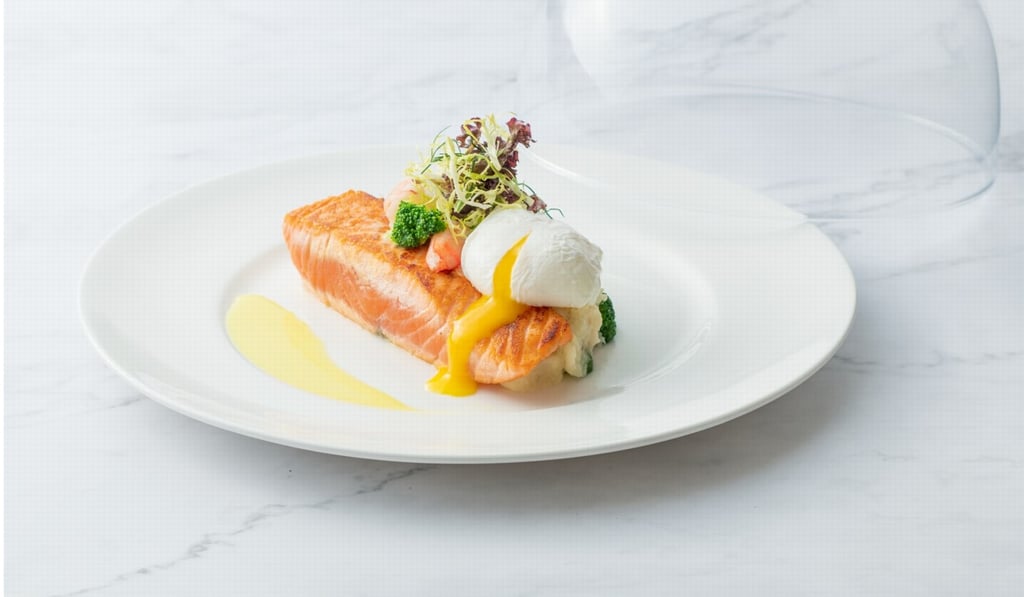
Tell us about Lumi. “‘Lumi’ comes from the French word ‘lumiere’, or ‘light’, as the menu is bright and fresh. It’s a culmination of my favourite dishes from working in several places around the world. I thought of 3,000 dishes for the menu and then whittled it down to 29, including desserts. These are the dishes I would like to eat over and over again.”
How did you start cooking? “I have been cooking for 50 years. When I was young, my family wasn’t well off – eating good food was considered special, so I was determined to learn how to cook, especially French cuisine, or anything French-related. I couldn’t go to France but, in 1969, when there was an opportunity to cook at the Japanese embassy in Senegal, a former French colony [on Africa’s west coast], I decided to take the chance.”
What was Senegal like? “I knew nothing about the country except that there were French restaurants there. When we got there, it was tough. Japan was still setting up its embassy, so we literally started from scratch. I was there for a year. It was so hot during the day, I was able to cook an egg on the car roof, so I stayed indoors most of the time. It was already 46 degrees Celsius in the morning. When you took a shower, even the water was hot.”
Where did you go afterwards? “In 1970, I went to Morocco, where they have many French culinary styles. I learned a lot more about French cuisine. In 1973, I went to Paris and worked for seven months at Maxim’s, which [at the time] had three Michelin stars. Then I worked for several French restaurants. Joël Robuchon [who died in August] was the best chef. I was Robuchon’s first Japanese apprentice and worked for him for 1½ years.”
What was working with the French chef like? “Robuchon’s style was not the same as other French chefs. He changed people’s perceptions of what French cuisine is. The dishes he created were a step ahead of everyone else. He worked on the presentation and the taste. He was constantly improving the dish, even though it already tasted good. We Japanese are very detailed but he was even more so. That’s why I think he was No 1 in the world.”