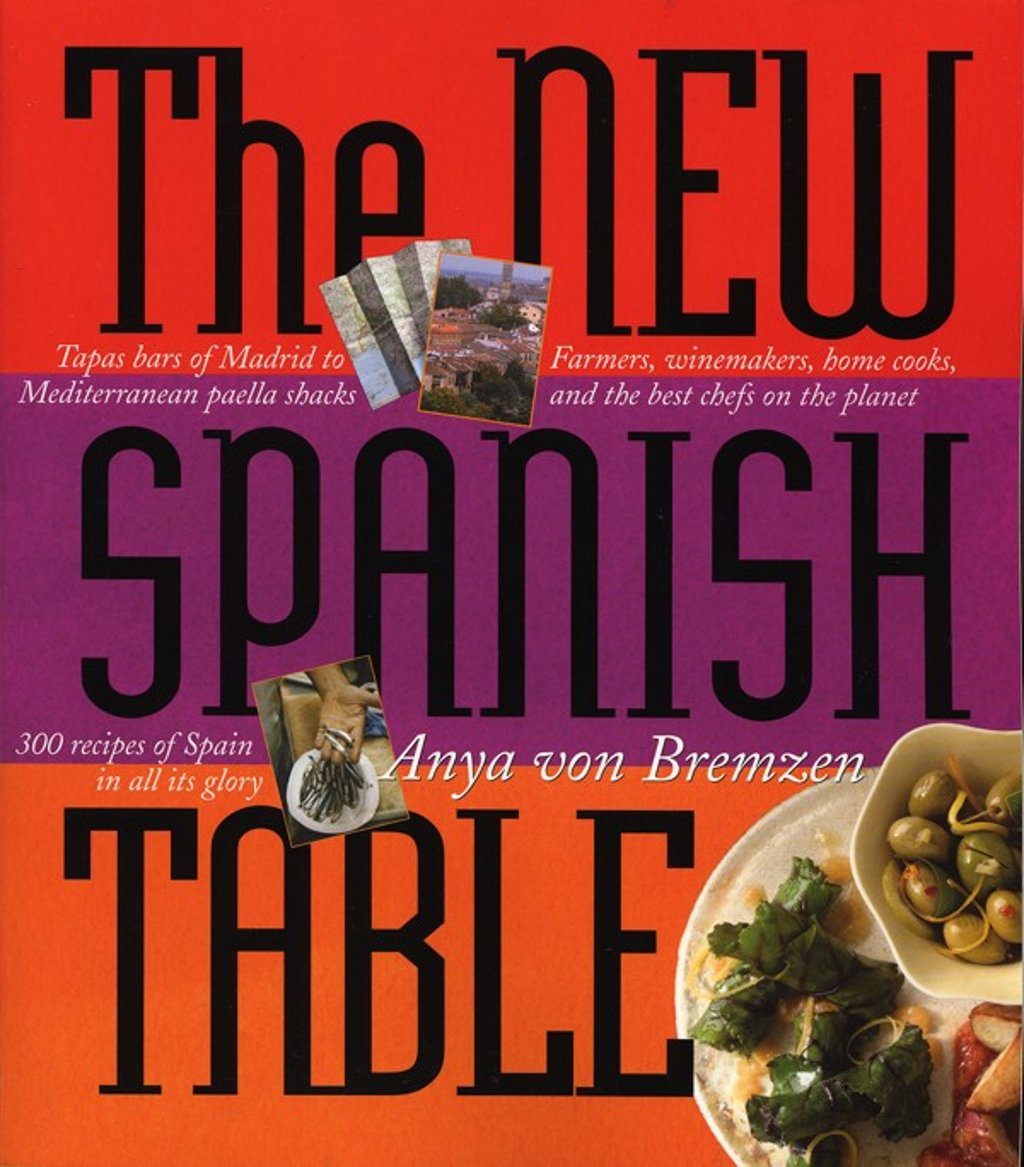
From paella to Ferran Adrià: Russian writer Anya von Bremzen recalls history of Spanish cuisine in cookbook
- The New Spanish Table reveals how the country’s culinary culture is both unapologetically modern and solidly grounded in tradition

Russian author Anya von Bremzen has observed how the cuisine of Spain has changed over the many years she has been returning there.
“The first time I visited the country was in the early eighties, as it was awakening from the isolation and destitution of the Franco years,” she writes in the introduction to The New Spanish Table (2005). “I was instantly smitten with the regional rigour, the immense pull of traditions, the purity and warmth of the food culture […] When I visited Valencia and Alicante expecting to find only one kind of paella, I stumbled upon whole cults devoted to rice. In the Basque country, I went crazy for pintxos, the ornate local version of tapas. In Catalonia, I marvelled at the Mediterranean grace of the coastal cocina and at the intriguing island combinations like salt cod with honey or rabbit with chocolate […]
“Over the years, I have watched as Spain transformed itself from an almost archaic Mediterranean culture into a European capital of style and design. Yet despite its thrust into modernity, the country has kept globalisation at bay, retaining the authenticity that seduced me in the first place. And something truly extraordinary has happened – fostered by a desire to break with the past. The boom that gripped Spanish cultural life after Franco, producing figures like filmmaker Pedro Almodóvar, has taken hold in Spanish kitchens.”
Von Bremzen attributes the birth of new Spanish cuisine to chefs in San Sebastián in the late 1970s.
“Impressed by the vibrant delicacy of revolutionary nouvelle cuisine across the border in France, a group of Basque chefs that included Juan Mari Arzak [of Arzak] and Pedro Subijana [of Akelarre] decided to stage their own revolution. The result was nueva cocina vasca, or new Basque cuisine – a lighter, fresher, prettier, unapologetically modern style, both cutting edge and solidly grounded in Basque ingredients and traditions […] Nueva cocina soon spread across Spain, giving rise to new modern regional styles.