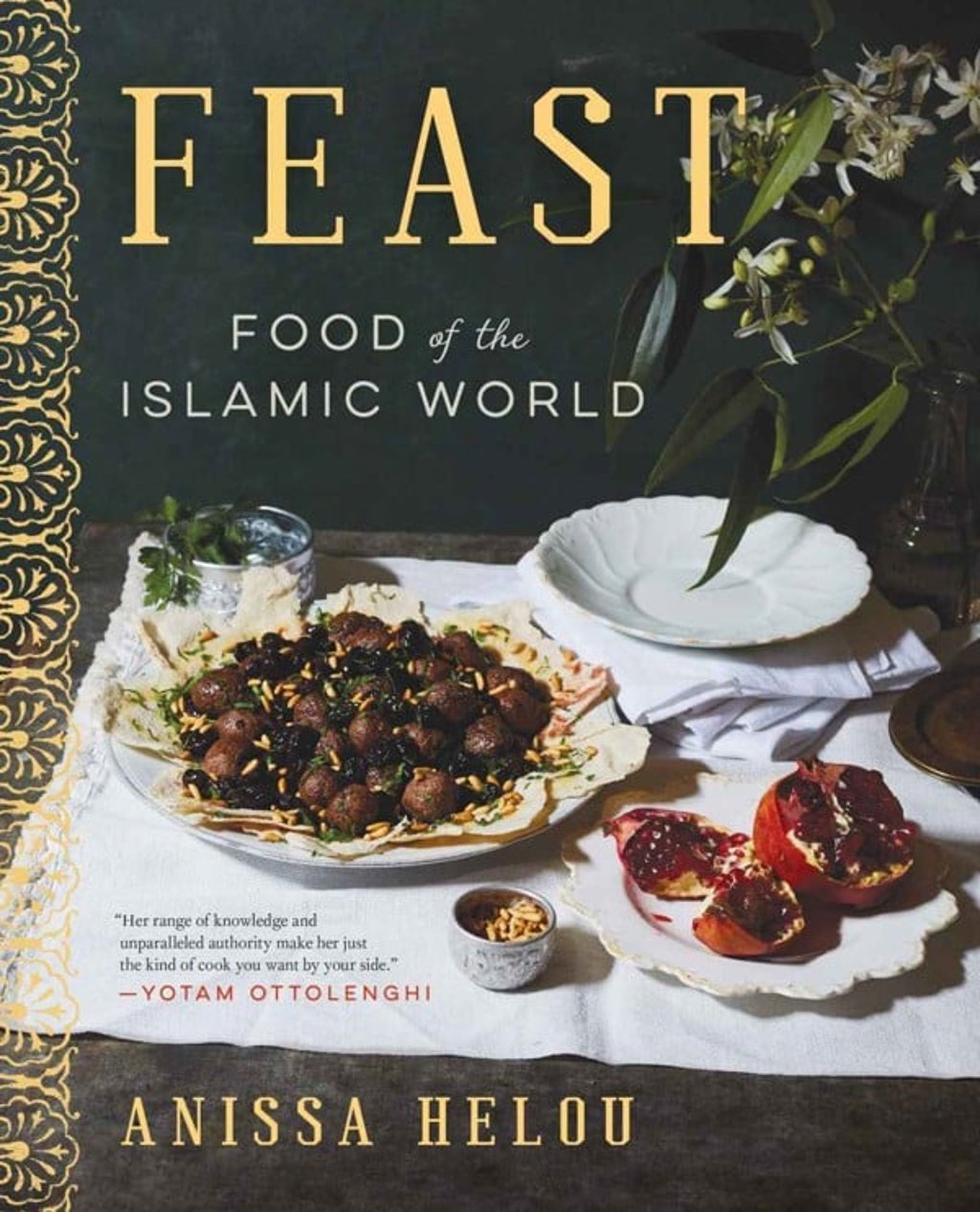
Recipes of the Islamic world, collected in one huge cookbook – worth buying for its chapter on breads alone
- In Feast – Food of the Islamic World, Anissa Helou assembles more than 300 recipes, ranging in origin from Algeria to Zanzibar

When compiling Feast – Food of the Islamic World (2018), a cookbook with more than 500 pages and 300-plus recipes, Anissa Helou had be strict with herself about what she could include, or else it would have expanded to more than one volume. After all, the “Islamic world” encompasses, as she writes in the introduction, “Morocco, Algeria, Tunisia and Egypt in North Africa, finishing in Afghanistan, Bangladesh, Pakistan and India in South Asia, and Xinjiang province and Uzbekistan in Central Asia.
“In between are Lebanon, Syria, Palestine, Jordan, Turkey and Iran in the Levant; the United Arab Emirates, Oman, Saudi Arabia and Qatar in the Arabian Gulf. On the fringes are countries where the influences are more diffuse, such as Zanzibar, Somalia, Senegal, Nigeria, Malaysia and Indonesia, the world’s most populous Muslim country.”
Helou writes that “Islam was born at the beginning of the seventh century in one of the world’s harshest climates, in Mecca, in Saudi Arabia […] when the Prophet Muhammad began receiving divine revelations from the angel Gabriel. However, it wasn’t until the year 622 or 1 AH (after Hijrah, or exile) that the Islamic calendar marks the official start of the religion when, after a dispute with his tribe, Prophet Muhammad fled Mecca to the city of Yathrib, now known as Medina.
“Medina was and still is an oasis in the desert, but though there was water, there wouldn’t have been much variety available in terms of food, and their diet was mainly limited to dates from the palm trees growing in the oasis, meat and dairy from their flocks of sheep, camel and goat; and bread from grain they either grew or imported in their trade caravans from the fertile countries of the Levant and beyond.”
Travelling not only spread the religion; it opened the inhabitants up to new ingredients and cooking techniques. “They expanded their culinary repertoire because of easy access to more varied produce [...] The Muslims also acquired new culinary knowledge from the locals they ruled over, which they absorbed into their own cuisine.”