Malaysia’s east-coast cuisine seduces Singaporean author Bryan Koh, who was ‘utterly besotted’ by Kelantan cooking
- A meal at a restaurant in the north-east of Peninsular Malaysia inspired the food writer to discover more about a cuisine that is often overshadowed by its more famous cousins from the west

It took a meal at a Kelantan restaurant, in Kuala Lumpur, to make him sit up and take notice. “While perusing the menu, several alien words beamed up at me: laksam, kerutuk, percik, akok, lompat tikam, names that I soon understood to belong to the Kelantan culinary register.
“We [Koh and a friend] placed our orders [and] an hour later, we emerged, he, splendidly sated, and I, utterly besotted by the experience, the brightness of fresh herbs, the aroma of scorched coconut, the mellow spiciness – and sweetness – of the curries.”
The flavours intrigued the author, who also wrote the excellent Milk Pigs and Violet Gold (2013) and its revised edition, Milkier Pigs and Violet Gold (2016), on Philippine cuisine, and the Myanmar-focused 0451 Mornings are for Mont Hin Gar (2015). And as with his other books, Koh researched extensively for Bekwoh, first visiting Kelantan – peninsular Malaysia’s northernmost state – and expanding his travels to the adjacent states of Terengganu and Pahang.
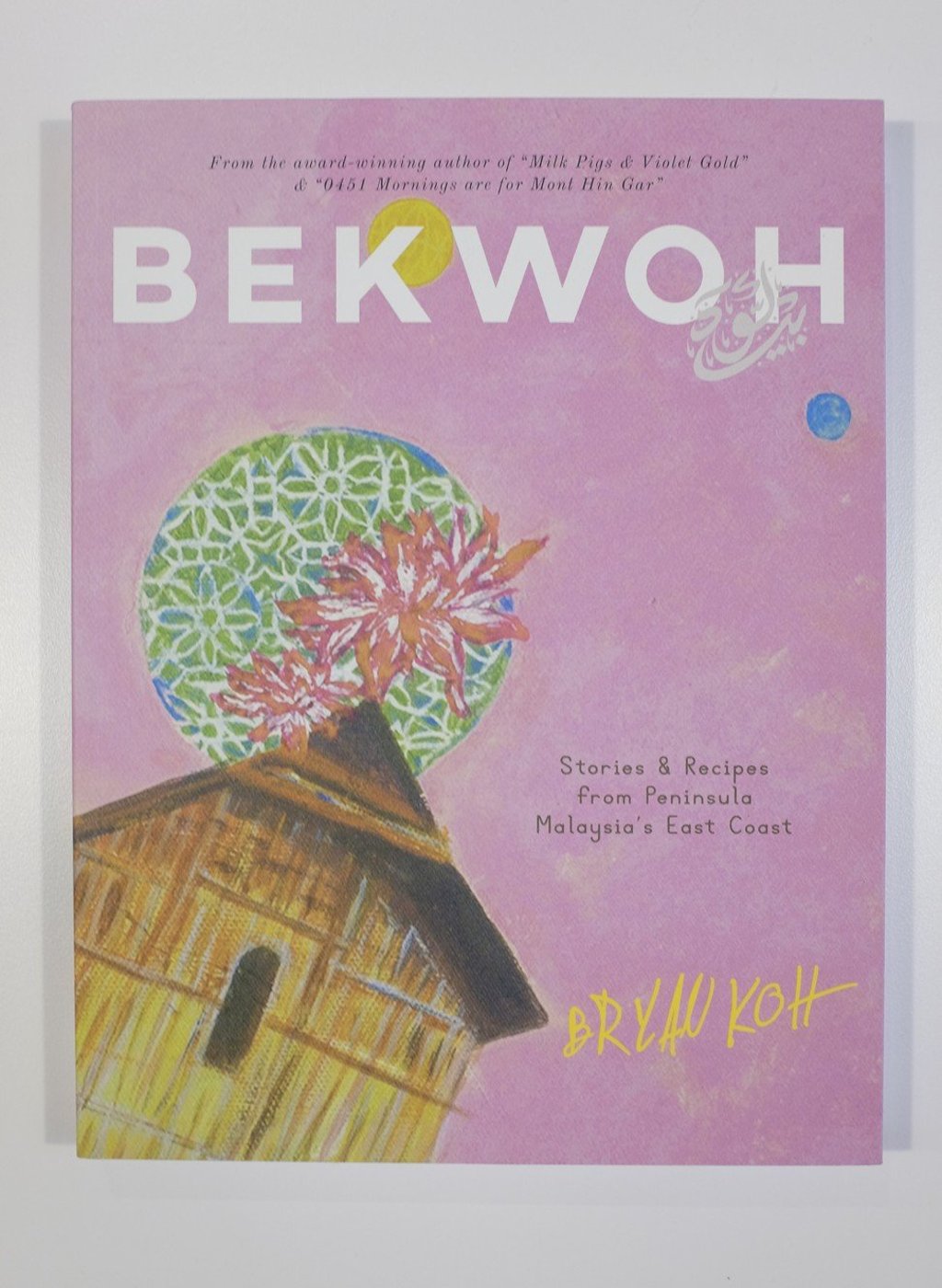
Koh explains the title of his latest volume, “bekwoh […] or be’woh, the ‘k’ voiceless, velar and fricative. Unique to the East Coast, especially in Kelantan and Terengganu, bekwoh means, and was likely derived from, ‘big wok’, the cooking vessel used for gulai (curry) at kenduri (feasts), especially weddings, though it is now common to see it (or them) presiding over celebrations and gatherings where there are hordes to feed. To me, bekwoh suggests sumptuousness, big-heartedness and merriment, and I hope this book inspires similarly positive sentiments as you wend through its pages and whirl it into life in your kitchen.”