President Xi Jinping and First Lady Peng Liyuan’s ‘plates came back empty’: chef on cooking for China’s power couple
- Panamanian Charlie Collins is on a mission to introduce his country’s cuisine to the world
- Panama’s food features influences from Spain, France, the Caribbean and even China

How would you describe Panamanian cuisine? “Panama is a melting pot, so our cuisine has had a lot of influences, going back 500 years, to the arrival of the Spanish conquistadors. When the French tried to build a canal at the end of the 19th century, they brought in all of the sauces and reductions that are commonly served now in Panama.
“The Chinese influence goes back to 1855, when the first railroad that went from the Pacific to the Atlantic was built – [Chinese labourers] brought rice and noodles, and rice is very important in our diet now. But my favourite cuisine was brought in by the Afro-Antilleans from the Caribbean, who were slaves. That cuisine is very spicy, full of flavour and what marks Panamanian cuisine, with its coconut rice and curries.”
What is your favourite Panamanian dish? “Rice with cured pigtail, salted codfish and dried shrimp. It’s cooked on the stovetop in one pot, like a paella. We have the Chinese influence in there with the dried shrimp. It’s made with curry, cilantro and green onions. It’s a little sweet and a little savoury, and very, very tasty.”
What does “new Panamanian cuisine”, a term you coined, mean? “Last year, I published my book T’ACH Authentic Panamanian Cuisine, which is a compendium of the 130 most popular recipes dating back 500 years. I recorded the history and story behind every recipe. My upcoming book, T’ACH II Contemporary Panamanian Cuisine, is where I take those recipes and reinterpret them into a modern version.
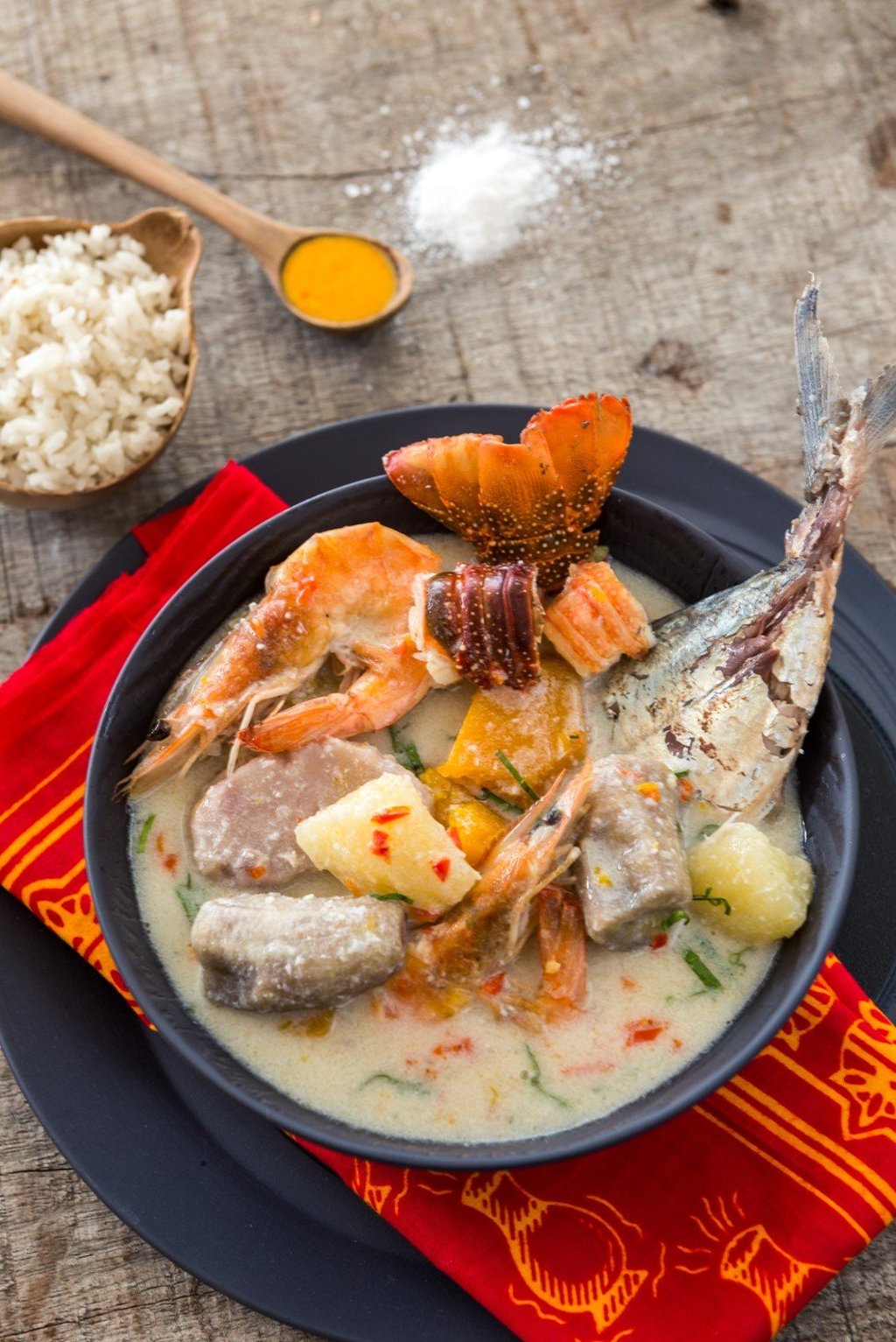
“People are now practising new Panamanian cuisine around the country, especially in Panama City, with diverse and fine eating establishments. Contemporary cuisine is not as plentiful as what you saw in the past, the portions are smaller, and it’s prepared and served in such a way that it can easily be a tasting menu or a full meal with an appetiser, main course and dessert.
For example, there’s a dish called pickled pig’s feet. Its roots come from the slave years. The owners of the plantations would slaughter a pig and the slaves would get the cheaper cuts, like the feet. The original version is like a salad. I created a version with cucumber, vinaigrette and lime juice – almost like a ceviche.”