Japanese home cooking can be as simple as any other cuisine – Sonoko Sakai makes it easy
- The Japanese-American food writer shows how seasonal dishes can be adapted for any kitchen
- Recipes include fresh soba noodles, miso soup, fresh daikon radish sauce, koji-marinated salmon

For many of us, cooking Japanese food at home seems far beyond our capability. That’s ridiculous, of course – home cooks in Japan aren’t meticulously carving daikon into paper-thin ribbons, cutting 300kg bluefin tuna into sushi or making dashi jelly. They leave that to the professionals. Japanese home cooking can be as simple as any other cuisine, although it tends to be more seasonal and presented more beautifully.
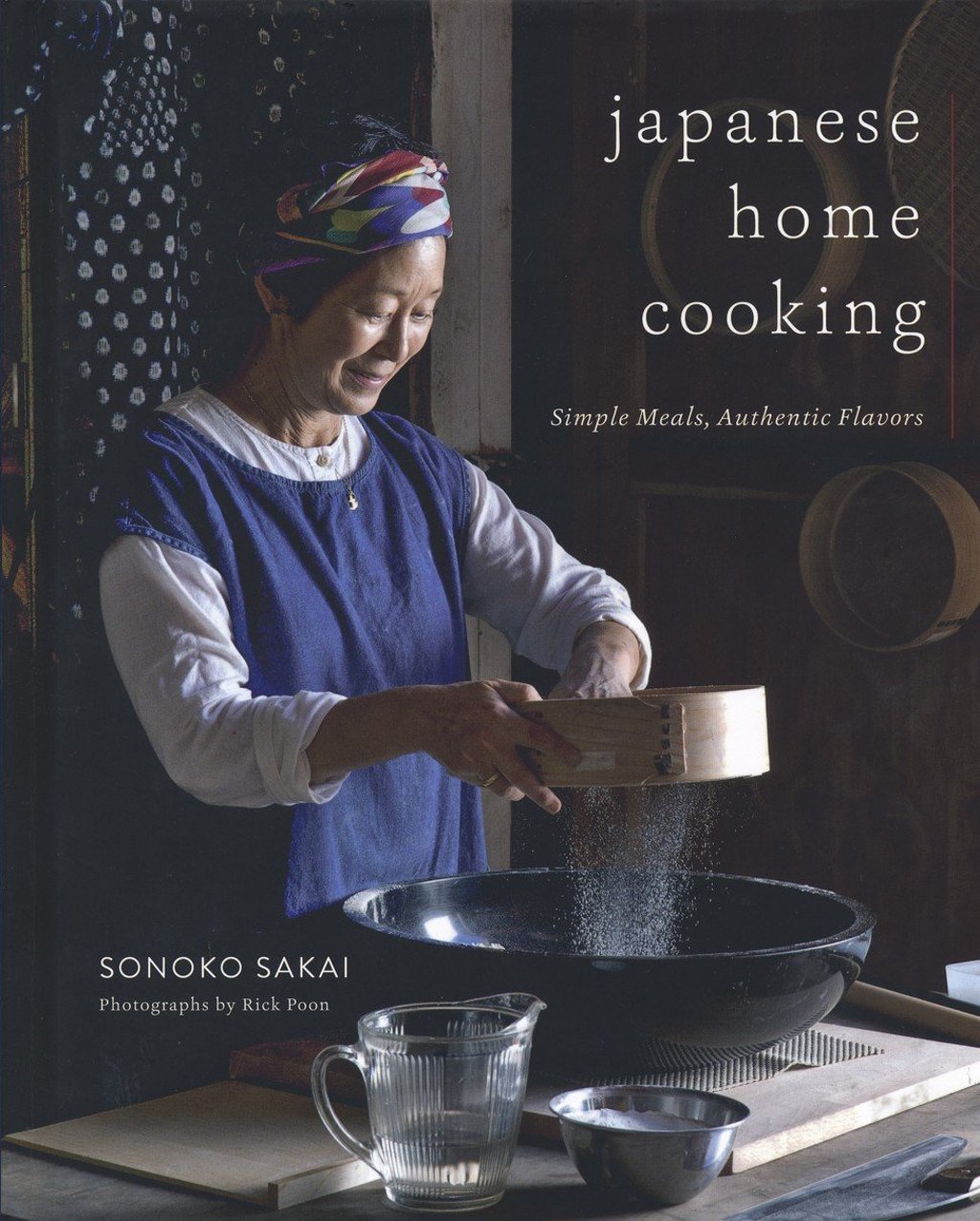
Japanese-American food writer Sonoko Sakai seeks to dispel such misconceptions in her book, Japanese Home Cooking – Simple Meals, Authentic Flavors (2019). Japanese home cooks adapt their dishes to work with the ingredients they have at hand. In the introduction, Sakai writes: “My father used to say that .” He was an airline executive who was posted to New York in the early 1950s, where Sakai was born. They received Japanese ingredients – such as tea, miso and dried seaweed – in care packages from relatives.
“I watched my mother maintain a Japanese kitchen everywhere our family lived, which was often a challenge. She was an ingenious and resourceful cook who managed to make Japanese meals without always having access to Japanese ingredients. From my mother I inherited the arts of adaptability and flexibility,” Sakai writes.
“My mother learned how to combine American and Japanese ingredients and turn them into hybrid dishes. She made fried rice with chopped onions and Birds Eye frozen peas and carrots. She stir-fried the vegetables in butter and garnished the dish with crispy flaked nori.”
The family moved back and forth between Japan and overseas postings, including Mexico City and California. In Japan, Sakai and her grandmother bought fish directly from the fisherman’s net, still-warm tofu and freshly milled rice. But it was in Los Angeles that her mother learned “disappearing Japanese food traditions” – how to make miso, natto and nukazuke (fermented bran pickles) – from the issei (first generation Japanese-Americans) who were eager to maintain their connections to Japan through food.