The Chinese Gourmet: urbanisation has caused Chinese cuisine to evolve, not always for the better, says food critic
- Food critic and writer William Mark explores the history and outside influences present in Chinese food today
- In a chapter on banquets, Mark writes of one event with 365 dishes – one for every day of the year – not all of which were edible

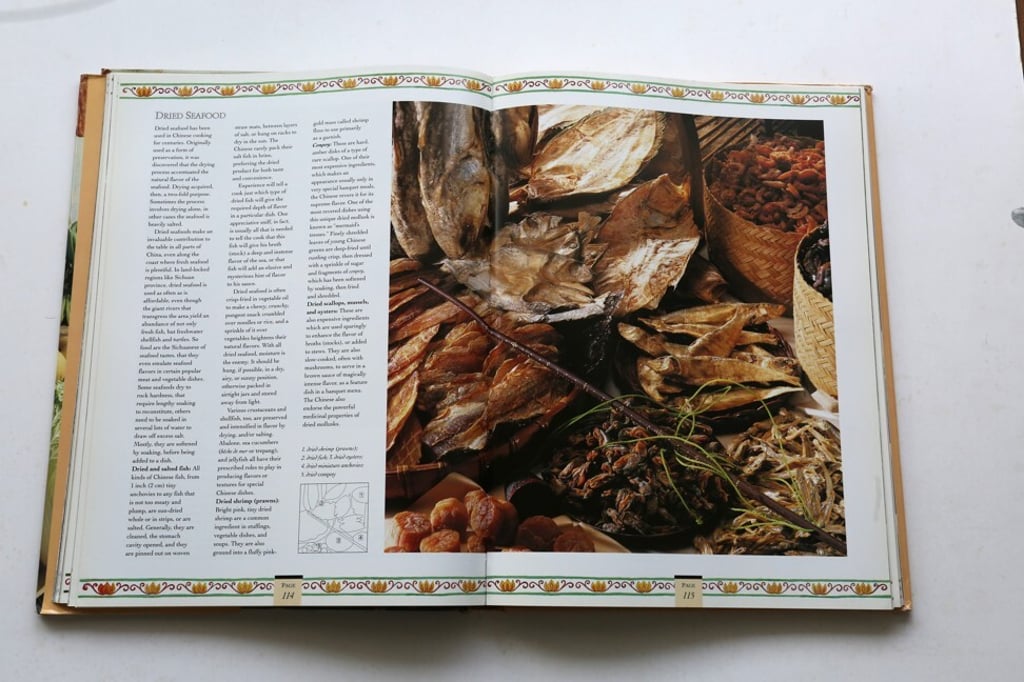
Oversized cookbook The Chinese Gourmet (1994) might look like a coffee-table book but that would do a disservice to its excellent content. The pictures of the food are appetising – a surprise, as many cookbooks of the era make dishes appear anything but delicious. But it’s the information and recipes that matter.
“Since time immemorial, food in China has enjoyed a status that far transcends its nutritive value. Its traditions, ingredients, preparation, serving, sharing, and eating are embedded deep in the heart and history of Chinese culture, linking the emperors, the peasantry, invaders, agriculture, trade, religion, philosophy, and medicine in a way that perhaps only French cuisine comes close to emulating […]
“Over the centuries came many culinary changes. The ‘primitive’ Mongols brought sheep and barbecued dishes. Indian travellers introduced spices, like ginger and cilantro [fresh coriander]. Later, Jesuits from Portugal planted great gardens that added European vegetables to the cuisine.
“During the 20th century, Chinese food has undergone a revolution, not all of it positive. As the country has become more urbanised, the gospel of farm-fresh produce is giving way to that of frozen.”